Filtrer par genre
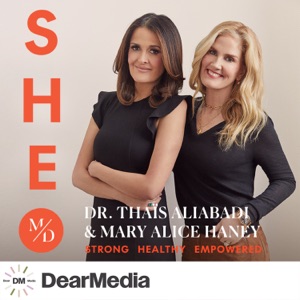

SHE MD is a weekly podcast hosted by world-renowned OBGYN, Dr. Thais Aliabadi, “Dr. A,” and women's advocate and influencer, Mary Alice Haney. Their candid conversations with celebrity guests and today's leading experts about women's health topics, such as menopause, endometriosis, PCOS, and fertility empower their audience with the knowledge and tools to become their own health advocates.
Dr. A and Mary Alice dive deep into critical health issues, offering women the knowledge and tools to become their best health advocates.
At SHE MD, we believe that every woman deserves access to the latest medical insights, personalized care strategies, and expert advice to navigate their health journey. From breaking down myths to providing practical tips, Dr. Aliabadi and Mary Alice Haney create a welcoming and informative space for women to take control of their health. The podcast features exclusive interviews with top-tier celebrity guests and leading experts across the medical, wellness, and health industries. Together, they explore real-world stories, struggles, and successes to ensure that every listener can feel heard and supported.
SHE MD aims to change that by providing a platform where women can receive trustworthy, expert advice on key health issues affecting their lives. Whether you’re dealing with painful menstrual cycles, navigating fertility challenges, or going through menopause, SHE MD brings clarity to these topics in a way that feels personal, approachable, and actionable. Dr. Thais Aliabadi provides expert insights into the most pressing women’s health issues, offering listeners a chance to learn from one of the leading voices in the field. Her knowledge is complemented by Mary Alice Haney's ability to relate to everyday challenges, offering a compassionate and approachable perspective on complex topics.
Meet the Hosts
Dr. Thais Aliabadi, "Dr. A"
Dr. Thais Aliabadi is a renowned board-certified OBGYN, known for her compassionate, patient-first approach. Specializing in fertility, high-risk pregnancies, menopause, and minimally invasive surgeries, Dr. A has spent her career guiding women through all stages of life. With experience treating high-profile patients and a commitment to public health education, she’s a trusted voice advocating for better healthcare access for women globally. Dr. Aliabadi frequently appears in major media to discuss key women’s health issues.
Mary Alice Haney
Mary Alice Haney is a prominent women's advocate and lifestyle influencer who empowers women to take control of their health and wellness. With a background in fashion and lifestyle, she brings a holistic approach to well-being. As co-host of SHE MD, Mary Alice fosters open, relatable conversations on often-overlooked women's health topics, helping women break down barriers and gain the knowledge they need to advocate for themselves. Her commitment to providing practical, actionable advice has made her a trusted figure in the health community.
Resources
SHE M/D- https://www.shemdpodcast.com
SHE M/D YouTube- https://www.youtube.com/@SHEMDPodcast
Instagram- https://www.instagram.com/shemdpodcast/
Mary Alice Haney Instagram- https://www.instagram.com/haneyofficial/
Dr A Instagram- https://www.instagram.com/drthaisaliabadi/
Tik Tok- https://www.tiktok.com/@shemdpodcast
Facebook- https://www.facebook.com/profile.php?id=61556530329981&sk=about
Twitter- https://x.com/shemdpodcast
#SHEMDPodcast #WomensHealth #HealthAdvocacy #DrThaisAliabadi #MaryAliceHaney #MenopauseMatters #EndometriosisAwareness #PCOS #FertilityJourney #OBGYN #HealthAndWellness #MedicalInsights #HealthEducation #EmpoweringWomen #HealthcareSelfAdvocacy #HealthTips #BreakingHealthMyths #WomenSupportingWomen #HealthJourney
- 176 - The Longevity Playbook for Women with Dr. Darshan Shah
Longevity physician Dr. Darshan Shah joins SheMD for a wide-ranging conversation about how women can become more proactive about their health and focus on extending healthspan, not simply lifespan.Dr. Shah explains the biomarkers he follows with patients, including markers related to metabolic health, cardiovascular risk, inflammation and hormones, and why he believes identifying changes early can help people intervene before chronic disease develops.We also take a deeper look at women’s cognitive health, including the tests and risk factors Dr. Shah considers when evaluating brain health and how exercise, sleep, metabolic health and cardiovascular health may all play a role.Then we get practical. Dr. Shah shares the foundational habits he prioritizes for longevity, including strength training, VO2 max training, sleep, nutrition and reducing environmental exposures.Plus, we discuss some of the most talked-about interventions in longevity medicine, including creatine, sauna, cold plunges, NAD, peptides, stem cells, red light therapy, hyperbaric oxygen and plasma exchange.Dr. Shah also explains why women should be cautious about unregulated peptides and why advanced therapies should come after the fundamentals, not replace them.His biggest recommendation? Build muscle. Dr. Shah says lifting heavy weights consistently is one of the most powerful longevity tools women already have access to.SponsorsTalkiatry: Featured in a sponsored segment highlighting its virtual psychiatry services and access to mental health care.Babbel: Featured in a sponsored segment promoting its language-learning platform and tools for building language skills.OSEA Malibu: Featured in a sponsored segment highlighting its skincare and body-care products.Arca Wealth: Featured in a sponsored segment discussing financial planning and wealth management services.Gusto: Featured in a sponsored segment highlighting its platform for simplifying payroll, tax filings, HR, and employee benefits.What You’ll LearnWhat longevity really means and why extending your health span is just as important as extending your lifespan.Why preventative medicine starts with understanding your individual biology through blood work, physical assessments, cognitive testing, and personalized health data.The key biomarkers women should consider tracking, including hemoglobin A1C, fasting insulin, ApoB, high-sensitivity C-reactive protein, and important hormones.How metabolic dysfunction, cardiovascular risk, inflammation, and hormonal changes can influence long-term health.Why gut health plays an important role in immune function and inflammation, and how fiber, fermented foods, and a healthy microbiome support gut health.What leaky gut means, how gut health is evaluated, and why reducing ultra-processed foods and excess sugar may help support the microbiome.How environmental toxins, mold, heavy metals, pesticides, and endocrine-disrupting chemicals are evaluated through specialized testing.Why genetic screening can help identify certain health risks, including cardiovascular disease and Alzheimer's, and what the APOE4 gene may indicate.How menopause, declining estrogen, inflammation, and metabolic health intersect with women's cognitive health and Alzheimer's risk.Which emerging blood biomarkers, including p-tau 217 and the amyloid ratio, are being used to assess potential Alzheimer's-related changes.How cognitive testing, EEG assessments, and brain blood-flow measurements can help evaluate memory, executive function, and cognitive performance.Why cardiovascular and metabolic health are important considerations when developing a plan to protect long-term brain health.How VO2 max training, strength training, and other forms of exercise may support cardiovascular function and cognitive health.Why sleep quality matters for brain health, including the importance of deep sleep and establishing a consistent sleep routine.How chronic stress and elevated cortisol may affect inflammation, metabolism, and overall health, and why incorporating more restorative practices matters.Practical ways to reduce environmental toxin exposure through air purification, water filtration, food choices, and personal care products.What to know about sauna use and cold plunges, including the differences in available research and their potential benefits.The research behind creatine, including its potential role in muscle strength, muscle mass, and cognitive performance.What NAD is, how it relates to cellular energy production, and what researchers still need to understand about NAD supplementation.What peptides are, how they function as biological signals, and the differences between established peptide medications and less-studied treatments.What to consider before pursuing peptides, including sourcing, safety data, FDA approval, and potential concerns for people with a history of cancer.What the current research suggests about stem cell treatments, including the importance of proper manufacturing, handling, and clinical oversight.How red light therapy may influence circulation and collagen production, and why device wavelength matters.Which foundational supplements Dr. Shaw discusses, including vitamin D3 with K2, magnesium, omega-3s, creatine, and methylated B vitamins.Why intermittent fasting may not be appropriate for everyone, particularly when it leads to inadequate protein intake or increased stress.Why heavy resistance training at least three times a week is one of the most important habits women can prioritize for healthy aging.Why estrogen and ApoB are two important numbers women should understand when evaluating their long-term health.Key Timestamps00:00 The most powerful longevity tool women aren't using02:42 How preventative medicine starts with personalized biomarkers03:49 The key health markers every woman should know04:47 Understanding metabolic health, A1C, and fasting insulin06:51 Why estrogen, progesterone, testosterone, thyroid, and cortisol matter07:15 The connection between gut health and chronic inflammation08:01 Leaky gut, the microbiome, and immune health09:36 How fiber and fermented foods support gut health10:32 Choosing probiotics and evaluating supplement quality12:22 Testing for environmental toxins and genetic health risks14:45 Dr. Shaw's personal experience reversing chronic health conditions18:16 Why women's cognitive health deserves more attention20:37 Understanding women's risk for Alzheimer's disease23:27 Measuring blood flow to the brain26:19 VO2 max training and improving microvascular health28:54 The foundational lifestyle habits that support longevity29:24 Nutrition, exercise, and strength training for brain health31:39 Improving sleep quality and evaluating sleep medications33:05 Why keeping electronics out of the bedroom matters38:11 How to reduce everyday exposure to environmental toxins40:12 Ultra-processed foods and environmental chemicals40:56 Personal care products and everyday toxin exposure42:40 Advanced treatments for supporting brain health43:08 Transcranial magnetic stimulation and mental health43:38 The connection between depression, anxiety, and cognitive health44:58 Plasma exchange and emerging longevity research47:02 Sauna, cold plunges, and hot-cold contrast therapy47:27 What the research says about sauna use48:14 Cold plunges, inflammation, and nervous system regulation49:41 Creatine for muscle strength and cognitive health53:01 What are peptides and how do they work?56:00 Peptide safety, sourcing, and regulatory considerations59:05 Healing, and inflammation1:00:21 Why people with a history of cancer should be especially cautious with unproven treatments1:03:52 Stem cell treatments and what the research currently shows1:06:19 Red light therapy, circulation, and collagen production1:07:32 How chronic stress and cortisol affect longevity1:09:49 Breathwork, recovery, and tracking heart rate variability1:11:51 The most powerful longevity tool for women: heavy strength training1:13:02 The future of preventative medicine and longevity1:14:54 Dr. Shaw's final thoughts on preventative healthcareKey TakeawaysLongevity is about health span, not just lifespan. Dr. Shaw emphasizes that the goal is to maintain physical strength, cognitive function, and quality of life for as long as possible. Preventative care focuses on identifying potential health risks before they develop into chronic disease.Knowing your biomarkers can change the way you approach your health. Blood sugar, fasting insulin, ApoB, inflammation markers, and hormones can provide valuable insight into metabolic, cardiovascular, and hormonal health. Dr. Shaw encourages women to become more familiar with these numbers and discuss appropriate testing with their healthcare providers.Metabolic health and inflammation are connected to long-term health. The conversation highlights the relationship between blood sugar regulation, insulin, cardiovascular risk, and chronic inflammation. Gut health, nutrition, movement, and sleep are all important considerations when developing a preventative health plan.Your gut microbiome plays an important role in overall health. Fiber and fermented foods help support beneficial gut bacteria, while diets high in ultra-processed foods and added sugars may negatively affect the microbiome. Dr. Shaw also discusses the importance of evaluating supplement quality rather than automatically adding probiotics to your routine.Women's cognitive health deserves more attention. The discussion explores how estrogen, metabolic dysfunction, inflammation, and environmental exposures may intersect with cognitive health and Alzheimer's risk. Dr. Shaw explains how genetic screening, emerging blood biomarkers, and cognitive assessments can help provide additional information about brain health.Estrogen is an important consideration throughout the aging process. Dr. Shaw discusses estrogen's relationship with brain, bone, cardiovascular, and muscular health. Hormone therapy decisions should be individualized, particularly for women with a history of breast cancer or other conditions that may affect treatment eligibility.Strength training is one of the most important habits for healthy aging. Dr. Shaw recommends resistance training at least three times per week, emphasizing challenging weights and progressively building strength. Muscle supports metabolic health and produces signaling molecules called myokines that are also being studied for their role in brain health.VO2 max training and cardiovascular fitness matter. High-intensity interval training, regular movement, and strength training can support cardiovascular function and overall physical resilience. Dr. Shaw also discusses the relationship between blood flow and cognitive health.Sleep is essential for brain health. The conversation highlights the importance of sleep quality, particularly deep sleep, and establishing consistent routines. Monitoring sleep patterns can help identify areas for improvement, while medication decisions should be made with a healthcare provider.Reducing everyday toxin exposure doesn't have to be overwhelming. Dr. Shaw introduces an 80/20 approach focused on practical changes, such as improving indoor air quality, filtering drinking water, limiting ultra-processed foods, and evaluating personal care products.Not every popular longevity treatment has the same level of scientific evidence. Sauna use, cold plunges, NAD, peptides, stem cells, and red light therapy are all discussed, but the strength of available research varies. Dr. Shaw emphasizes understanding potential benefits, limitations, sourcing, and safety before pursuing emerging treatments.Creatine is worth understanding beyond muscle health. Dr. Shaw discusses research on creatine's potential benefits for muscle strength and cognitive performance, particularly in relation to aging and sleep deprivation. Supplementation should be considered in the context of individual health needs.More supplements and more fasting aren't necessarily better. Dr. Shaw identifies vitamin D3 with K2, magnesium, omega-3s, creatine, and methylated B vitamins as foundational supplements he discusses with patients. He also cautions that intermittent fasting may work against some women if it compromises protein intake or increases stress.Stress management is part of preventative healthcare. Chronic stress and sustained cortisol activation are discussed in relation to inflammation and metabolic health. Taking breaks, practicing breathwork, spending time outdoors, and monitoring recovery can help support a healthier balance between stress and relaxation.Personalized medicine requires tracking progress. Rather than relying solely on how you feel, Dr. Shaw encourages using appropriate biomarkers and physical or cognitive assessments to evaluate whether a treatment or lifestyle change is actually making a difference.Prevention starts before symptoms appear. One of the central messages of the conversation is that women should not wait until they develop a chronic condition to start prioritizing their health. Understanding personal risk factors and building sustainable habits can make a meaningful difference over time.Guest Bio - Dr. Daron ShawDr. Darshan Shah is a board-certified surgeon, longevity medicine specialist, and founder and CEO of Next Health, a health optimization and longevity clinic focused on preventive medicine and personalized healthcare. After earning his medical degree at just 21 years old and completing surgical training at the Mayo Clinic, Dr. Shah transitioned from traditional surgery to a proactive approach centered on disease prevention, biomarker testing, metabolic health, and extending healthspan. He is also the host of the EXTEND Podcast, where he explores the latest research and strategies for living a longer, healthier life. See Privacy Policy at https://art19.com/privacy and California Privacy Notice at https://art19.com/privacy#do-not-sell-my-info.
Tue, 03 Nov 2026 - 1h 17min - 175 - Why Your Hair Is Thinning: Stress, Hormones, GLP-1s & More with Dr. Heather Woolery-Lloyd
Why is your hair suddenly thinning, shedding or breaking?Board-certified dermatologist and Chief Medical Advisor at Nutrafol, Dr. Heather Woolery-Lloyd, joins Dr. Thaïs Aliabadi and Mary Alice Haney for a deep dive into the many different reasons women experience hair thinning and why figuring out the cause matters before choosing an approach that’s right for them.We break down everything from stress-related shedding and postpartum hair thinning, perimenopause and menopause to nutritional gaps, tight hairstyles, extensions, heat and chemical damage.Dr. Woolery-Lloyd also explains why hair shedding may not show up until 3 to 6 months after a stressful event and why something that happened months ago, including surgery, childbirth, a major move, divorce or rapid weight loss, may be connected to what you are seeing in the shower today.We also discuss hair thinning associated with GLP-1 medications and why rapid or significant weight loss, reduced protein intake, and nutritional deficiencies may be more important factors than the medication itself.Plus, we get into minoxidil, spironolactone, PRP, light therapy, hair supplements, protein, iron, vitamin D and what actually deserves a place in a hair growth plan.If your part is getting wider, your ponytail feels thinner, or your shower drain suddenly is seeing more of a build up of hair , this episode will help you understand where to start. #NutrafolPartnerThis episode is brought to you by Nutrafol. Let your hair be one less thing to worry about. See visibly thicker, stronger, faster growing hair in 3–6 months with Nutrafol Hair Growth Nutraceuticals.For a limited time, Nutrafol is offering our listeners $10 off your first month’s subscription and free shipping when you visit Nutrafol dot com and enter promo code SHEMD.SponsorsIT Cosmetics and Smile Set are featured in sponsored advertising segments during this episode.What You’ll LearnWhy hair thinning and shedding can occur at different stages of a woman's life, including postpartum, perimenopause, and menopause.How estrogen fluctuations affect the hair growth cycle and why hormonal changes can contribute to shedding, thinning, and breakage.Why stress, surgery, childbirth, and other major life events can trigger hair shedding three to six months later.The difference between telogen effluvium, female pattern hair loss, and hair breakage, including the signs that may help distinguish them.How PCOS, insulin resistance, and androgen levels can contribute to hair thinning, acne, and unwanted facial or body hair.What current evidence suggests about hair shedding during GLP-1 treatment, including the potential roles of rapid weight loss, inadequate protein intake, and nutritional deficiencies.Why thyroid conditions, iron deficiency, low vitamin D, autoimmune disorders, and certain medications may contribute to hair loss.How tight ponytails, braids, extensions, heat styling, chemical treatments, and environmental exposure can damage hair or contribute to thinning.How dermatologists evaluate hair loss through medical history, physical examination, hair-pull testing, blood work, and, when needed, a scalp biopsy.Which treatment options may be considered for different types of hair loss, including minoxidil, anti-inflammatory treatments, light therapy, and PRP.What to look for when choosing a hair supplement, including clinical testing of the finished product, ingredient quality, and independent safety certifications.How protein intake, a balanced diet, and attention to nutritional deficiencies can support hair health.Why hair treatments require patience, with reduced shedding potentially taking months to appear and significant regrowth often taking six months or longer.Practical ways to reduce breakage, including choosing gentler hairstyles, minimizing tugging and pulling, and adjusting hair care to your hair type.Five key takeaways for women experiencing hair changes: seek care early, consider recent stressors, prioritize nutrition, evaluate appropriate supplementation, and give yourself grace.Key Timestamps00:00 Why your hair may be thinning months after a stressful event01:20 How pregnancy, postpartum changes, and menopause affect hair health03:51 Understanding the hair growth cycle04:45 Why hair texture and breakage can change with age05:50 How much daily hair shedding is normal?07:47 Telogen effluvium and stress-related hair loss10:10 Female pattern hair loss and a widening part12:40 Understanding postpartum shedding and recovery14:14 Hair thinning and breakage during perimenopause and menopause15:28 How PCOS and insulin resistance affect hair health17:21 GLP-1 medications, rapid weight loss, and hair shedding19:53 Protein, iron, vitamin D, and other nutritional considerations21:44 Thyroid disease and hair thinning22:21 How tight hairstyles can cause traction alopecia24:21 Autoimmune hair loss and alopecia areata28:14 How heat, chemicals, and styling contribute to breakage30:13 Why chemotherapy can cause hair loss32:18 How dermatologists evaluate hair thinning and shedding35:42 Medications that may contribute to hair loss36:31 Treatment options for different types of hair loss40:28 PRP injections and hair regrowth42:14 What to look for in a science-backed hair supplement44:33 Ingredients to consider in hair supplements45:23 Hair care myths: Washing, brushing, and cutting your hair47:28 When to start treatment and how long regrowth takes48:09 Common hair growth myths and whether hats cause hair loss48:59 Dr. Heather's five takeaways for healthier hairKey TakeawaysHair loss has many different causes. Stress-related shedding, hormonal changes, PCOS, nutritional deficiencies, thyroid disease, autoimmune conditions, and mechanical or chemical damage can all affect hair. Identifying the underlying cause is essential because treatments vary depending on the type of hair loss.Hair shedding can appear months after a stressful event. Telogen effluvium occurs when a greater proportion of hair follicles shifts out of the active growth phase and into the resting phase. Shedding may become noticeable three to six months after childbirth, surgery, illness, or significant emotional stress.Hormonal changes can affect both hair growth and hair quality. Estrogen supports the active growth phase of hair, while declining estrogen during perimenopause and menopause can contribute to thinning in susceptible women. Hair can also become drier, more fragile, and more prone to breakage with age.GLP-1-associated hair shedding may be related to weight loss and nutrition. The discussion highlights rapid or significant weight loss, inadequate protein intake, and micronutrient deficiencies as potential contributors. Anyone experiencing hair loss while taking a GLP-1 medication should consult their healthcare provider rather than stopping or changing treatment independently.Tight hairstyles can cause preventable hair loss. Repeated tension from tight ponytails, braids, extensions, and other styling practices can lead to traction alopecia, often affecting the frontal hairline. Reducing tension early may help prevent lasting damage.Hair breakage and hair shedding are not the same. Shedding involves hairs leaving the growth cycle, while breakage occurs when the hair shaft becomes damaged. Heat, chemical treatments, UV exposure, and excessive pulling or manipulation can weaken hair and increase breakage.A thorough evaluation can help uncover underlying conditions. A dermatologist may review recent stressors, family history, menstrual patterns, medications, and hair care practices, along with examining the scalp. Depending on the individual, testing may include thyroid function, blood counts, iron and ferritin, vitamin D, and other targeted laboratory tests.Treatment should be tailored to the cause. Depending on the diagnosis, options may include topical or oral minoxidil, anti-inflammatory treatments, light therapy, PRP, nutritional support, or other prescription therapies. Not every treatment is appropriate for every person, so individualized medical guidance matters.Choose supplements based on evidence and safety. Dr. Heather recommends looking for clinical studies on the finished product rather than relying on individual ingredients alone. Independent quality and safety certifications can also help consumers evaluate supplement standards.Hair regrowth takes time. Reduced shedding may take around three months to become noticeable, while significant regrowth can take six months or longer. Products promising dramatic results within just a few weeks should be approached with skepticism.A balanced diet supports healthy hair. Adequate protein, fruits, vegetables, and sufficient vitamins and minerals are important considerations. Addressing a confirmed deficiency may be part of a broader treatment plan, but there is no single food or supplement that works for every cause of hair loss.Seek help early and give yourself grace. A widening part, a noticeably thinner ponytail, bald patches, or persistent changes in shedding are worth discussing with a healthcare professional. Early evaluation can help identify treatable causes, and hair changes should be approached with patience rather than self-blame. See Privacy Policy at https://art19.com/privacy and California Privacy Notice at https://art19.com/privacy#do-not-sell-my-info.
Thu, 29 Oct 2026 - 53min - 174 - Fasting for Women: Hormones, Your Cycle & Menopause with Dr. Mindy Pelz
Dr. Mindy Pelz joins SheMD for a wide-ranging conversation about fasting, hormones and metabolic health throughout a woman’s life.Mindy explains how her approach to fasting changed after she began seeing women experience symptoms including hair loss, thyroid issues and stalled weight loss when they fasted continuously without taking their menstrual cycle into account.She breaks down how she approaches fasting during different phases of the cycle, why she recommends easing up on fasting before a period, and how those recommendations may change during perimenopause and after menopause.Dr. Thaïs Aliabadi and Mindy also discuss insulin resistance, PCOS, metabolic health, ketones, protein, carbohydrates and the relationship between blood sugar and hormonal symptoms.Mindy explains what she means by “metabolic switching,” how she structures an eating window, why she discourages constant snacking and what she likes women to eat when breaking a fast.Plus, she shares why she sees menopause not as a decline but as an opportunity for women to rethink their health, their brains and the next chapter of their lives.SponsorsProlon: Featured in an advertisement discussing its five-day program, which is described as supporting fat-focused weight loss while protecting lean muscle. The episode includes an offer of 15% off sitewide, plus a $40 bonus gift with a five-day program subscription, at prolonlife.com/gmd.Huel: Featured in an advertisement for Huel Black Edition powder and ready-to-drink meals, highlighting protein, convenience, and nutritional content. The ad mentions 15% off online for new customers with code CMD at huel.com/gmd.Peloton: Featured in an advertisement for the Peloton Tread Flex treadmill, highlighting its foldable design and at-home running, walking, hiking, and training options.Sequencing.com: Featured in an advertisement for whole-genome testing, including information about genetic screening and medication-response insights. The ad mentions up to 10% off a full genome test, plus free shipping, with code GMD at sequencing.com.IT Cosmetics: Featured in an advertisement for the Do-It All Sheer Tint Face Balm, highlighting its skincare ingredients and tinted coverage.What You’ll LearnHow Dr. Mindy Pelz's experience with chronic fatigue influenced her interest in nutrition, lifestyle changes, and women's health.Why she developed a cycle-based approach to fasting and what she observed when women adjusted their fasting routines around their menstrual cycles.How estrogen and progesterone differ in their metabolic roles, including why progesterone is associated with an increased need for glucose.Why the week before menstruation may call for changes to fasting and carbohydrate intake.How fasting strategies may differ for women who are menstruating, perimenopausal, or postmenopausal.What metabolic switching means, how the body uses glucose and ketones for energy, and how fasting relates to this process.How insulin resistance may contribute to metabolic changes associated with PCOS, including weight gain, acne, hair loss, and irregular periods.Why Dr. Mindy emphasizes metabolic health when discussing hormonal symptoms, brain fog, and changes in weight.What autophagy is and how Dr. Mindy describes its role in cellular maintenance and repair.Why food quality, adequate protein, healthy fats, fiber, and less frequent snacking are central to her approach to metabolic health.How to think about fasting duration and timing in relation to menstrual cycles and symptoms such as spotting, anxiety, and insomnia.Why Dr. Mindy describes menopause as an opportunity for reinvention, personal growth, and a new stage of leadership.How changes in estrogen may affect neurotransmitters involved in mood, motivation, memory, and emotional well-being.How novelty, storytelling, and exposure to natural daylight can support habits associated with cognitive health.What Dr. Mindy recommends considering when breaking a fast, including broth, fiber, protein, and olive oil.Why she believes lifestyle education should be a more central part of conversations about women's hormonal health.Key Timestamps00:00 Why fasting differently may change women's experiences03:13 How lifestyle changes inspired her work in women's health04:40 Why fasting needs to account for women's hormonal cycles05:05 Autophagy and the origins of Dr. Mindy's fasting approach06:30 How the menstrual cycle influenced her approach to fasting08:24 Why fasting strategies may change during perimenopause and menopause10:10 Fasting, cortisol, and changing needs during perimenopause12:58 Insulin resistance, PCOS, and hormonal symptoms14:53 Why weight changes in midlife aren't simply a matter of willpower21:22 Why some women feel better fasting than others23:40 The connection between metabolic health, mood, and PCOS symptoms25:24 How long should women fast?28:42 Why the week before your period may require a different approach30:26 Fasting strategies after menopause31:18 What metabolic switching means31:44 Minerals and supplements during fasting32:36 Dr. Mindy's fasting cycle explained40:23 Hemoglobin A1C, food quality, and hormone-supportive foods42:35 Why constant snacking may affect metabolic health45:04 Why Dr. Mindy describes menopause as an upgrade48:49 How menopause may influence the brain, people-pleasing, and leadership51:17 Metabolic switching and brain health in midlife52:40 Supporting mood and cognition as estrogen declines54:29 Storytelling, memory, and cognitive health56:04 The best foods to break a fast58:08 Foods Dr. Mindy avoids and her perspective on hormonal freedom59:14 The one thing Dr. Mindy wants every doctor to understand about women's health59:41 Where to find Dr. Mindy's workKey TakeawaysFasting should not be approached as a one-size-fits-all practice. Dr. Mindy emphasizes that women's metabolic and hormonal needs can change throughout the menstrual cycle and during perimenopause and postmenopause. She advocates adjusting fasting routines rather than assuming longer fasts are always better.The week before your period may require a different approach. Dr. Mindy explains that progesterone rises during the luteal phase and that she believes this phase calls for greater attention to glucose availability. She recommends a less restrictive approach to fasting during this time.Metabolic health is an important part of the hormonal health conversation. The discussion explores how insulin resistance may be associated with PCOS, changes in weight, and symptoms such as acne, hair loss, and brain fog. The guests emphasize looking beyond individual symptoms to consider broader health factors.Perimenopause calls for flexibility and symptom awareness. Because cycles can become irregular during the transition to menopause, Dr. Mindy suggests paying attention to changes such as spotting, anxiety, and insomnia when considering fasting. Individual needs and medical guidance are important.Food quality comes before extending a fasting window. Dr. Mindy recommends prioritizing minimally processed foods, protein, healthy fats, fiber, and nutrient-rich carbohydrate sources as part of her approach to metabolic health.Metabolic switching describes the body's use of different energy sources. Dr. Mindy discusses the shift between using glucose from food and producing ketones when food intake is reduced. She connects this process to her broader approach to fasting and metabolic health, while acknowledging that individual responses vary.Menopause can be a new beginning, not simply a decline. Drawing on the grandmother hypothesis and research discussed in the episode, Dr. Mindy presents postmenopause as a potential opportunity to embrace new priorities, personal growth, and leadership rather than viewing aging solely through a lens of loss.Brain health deserves attention during the menopausal transition. The conversation explores how estrogen changes may affect brain function and neurotransmitters involved in mood, motivation, and memory. Dr. Mindy highlights novelty, storytelling, and daylight exposure as lifestyle practices worth considering.Breaking a fast is an opportunity to prioritize nourishment. Dr. Mindy discusses broth, fiber-rich foods, protein, and olive oil as options she favors when returning to eating, emphasizing nutrient-dense meals rather than restrictive food rules.Lifestyle education should be central to women's healthcare. Dr. Mindy closes by emphasizing the importance of helping women understand their bodies, make informed lifestyle choices, and seek care that considers the broader context of their hormonal and metabolic health. See Privacy Policy at https://art19.com/privacy and California Privacy Notice at https://art19.com/privacy#do-not-sell-my-info.
Tue, 27 Oct 2026 - 1h 01min - 173 - 6 Breast Changes You Should Never Ignore + Dr. A’s Breast Cancer Story
For Breast Cancer Awareness Month, Dr. Thaïs Aliabadi shares her own breast cancer story and the lessons she wants every woman to take from it.Dr. A explains how an abnormal breast biopsy led her to calculate her lifetime breast cancer risk, why she continued pushing for a preventative double mastectomy despite being repeatedly reassured that she was fine, and the shocking pathology result that revealed breast cancer after surgery.She also breaks down six breast changes women should take seriously, including new or persistent breast lumps, skin dimpling, nipple changes, discharge, persistent flaky or scaly skin and changes in the appearance of the breast skin.Dr. A explains the difference between traditional monthly self-exams and breast awareness, why knowing what is normal for your body matters, and when a breast change should prompt a call to your doctor.Plus, we discuss dense breasts, mammograms and ultrasounds, family history, lifetime breast cancer risk, genetic testing, polygenic risk scores and why being young or having no family history does not mean a breast change should be dismissed.This episode is about knowing your risk, noticing changes and becoming your own health advocate.SponsorsOSEA Malibu: The episode features OSEA Malibu’s Undaria Algae Body Oil, a seaweed-infused body oil designed to moisturize skin and promote a healthy-looking glow. Use code CMD for 10% off your first order.Gusto: Featured in a sponsored segment about simplifying payroll, tax filings, HR, and employee benefits for small businesses. The episode promotes three months of free payroll for eligible new customers.Peloton: Featured in a sponsored segment introducing the Tread Flex treadmill and discussing accessible running, walking, hiking, and at-home fitness.David Protein: Featured in a sponsored segment highlighting the brand's high-protein bars, including its Gold and Bronze product lines. The episode promotes a buy-four-cartons-get-the-fifth-free offer.What You’ll LearnHow Dr. Thaïs Aliabadi discovered that her lifetime breast cancer risk was significantly higher than expected, despite having no family history or known major genetic mutations.Why atypical lobular hyperplasia can increase breast cancer risk and why understanding biopsy results matters when evaluating your personal risk.How Dr. Aliabadi's experience with preventive mastectomy ultimately led to an unexpected breast cancer diagnosis.Why breast cancer concerns can be dismissed in healthcare settings and how patients can advocate for further evaluation when something does not feel right.The six breast changes that warrant medical attention: a new or persistent lump, skin dimpling or other skin changes, nipple discharge, newly inverted nipples, persistent crusting or scaling of the nipple, and unusual redness or discoloration.The difference between routine self-breast examinations and breast awareness, including why it is important to recognize what is normal for your own body.How family history, breast density, previous biopsies, hormonal history, and other factors can contribute to an individual's breast cancer risk assessment.What the Tyrer-Cuzick risk assessment tool evaluates and how a lifetime risk estimate can help inform conversations about screening.Why dense breast tissue can both increase breast cancer risk and make abnormalities more difficult to identify on a mammogram.How 3D mammography, breast ultrasound, and breast MRI may be used in screening plans, depending on individual risk and clinical guidance.What genetic testing can reveal about inherited breast cancer risk, including mutations in genes such as BRCA.What polygenic risk scores measure and how numerous genetic variants may contribute to breast cancer risk even when a person does not have a major known genetic mutation.Why breast implants do not eliminate the need for appropriate breast awareness and screening.Why new or persistent breast changes should be evaluated by a healthcare professional, even in younger women or those without a family history of breast cancer.Key Timestamps00:00 Why women's breast cancer concerns can be dismissed00:31 Six breast changes every woman should know01:09 Dr. Thaïs Aliabadi's personal breast cancer journey01:42 Understanding atypical lobular hyperplasia04:34 Why Dr. Aliabadi decided to take action07:55 Searching for a surgeon who would listen09:58 The complications of preventive surgery16:10 The unexpected breast cancer diagnosis18:54 Finding purpose after a life-changing diagnosis21:50 The six breast changes that warrant medical attention23:33 Understanding what is normal for your breasts24:37 Breast self-exams versus breast awareness27:04 Why every woman should understand her personal risk28:20 Using the Tyrer-Cuzick tool to estimate lifetime risk30:22 How family history influences screening recommendations34:01 Understanding average, intermediate, and high-risk categories37:04 Why dense breasts can make cancer harder to detect39:10 Why knowing your lifetime risk matters40:35 Breast cancer risk factors and early detection41:37 Genetic testing and polygenic risk scores explained44:57 When to consider additional genetic risk assessment46:54 Understanding breast cancer risk when a family member has a BRCA mutation48:44 Reviewing the six breast changes you should never ignore49:57 Why younger women should not dismiss breast symptoms51:14 Advocating for yourself when your concerns are dismissedKey TakeawaysBreast cancer risk is not determined by family history alone. Dr. Aliabadi's experience demonstrates why a lack of known family history or a major genetic mutation does not eliminate the possibility of developing breast cancer. Personal risk assessment should consider multiple factors, including previous breast biopsies, breast density, and relevant medical and family history.Know what is normal for your breasts. Breast texture, tenderness, and fullness can change with menstrual cycles and hormonal fluctuations. Becoming familiar with your usual breast appearance and feel can help you recognize new or persistent changes that deserve medical attention.Recognize the six breast changes discussed in the episode. These include a new or persistent lump, skin dimpling or other visible skin changes, nipple discharge, newly inverted nipples, persistent crusting or scaling of the nipple, and unusual skin discoloration. These changes do not automatically indicate cancer, but they should be evaluated by a healthcare professional.Dense breast tissue can complicate cancer detection. Dense breasts contain more glandular and connective tissue relative to fat. Because both dense tissue and many breast cancers appear white on a mammogram, abnormalities can be harder to see. Breast density is also an independent risk factor, making it important to discuss appropriate screening options with a healthcare provider.Personalized risk assessment can help inform screening decisions. Tools such as the Tyrer-Cuzick model use information about family history and other risk factors to estimate lifetime breast cancer risk. Screening recommendations can vary depending on a person's risk profile, age, medical history, and applicable clinical guidelines.Genetic risk involves more than a single mutation. Genetic testing can identify inherited mutations associated with increased breast cancer risk. Polygenic risk scores assess the combined contribution of numerous genetic variants. These approaches provide different types of information and may help clinicians develop a more complete picture of risk when appropriate.Preventive decisions can involve difficult trade-offs. Dr. Aliabadi shares the physical challenges, uncertainty, and emotional weight involved in deciding to undergo preventive surgery. Her story highlights the importance of informed decision-making, individualized medical guidance, and having one's concerns taken seriously.Do not assume you are too young for a breast abnormality to matter. Although most breast changes are not cancerous, symptoms should not be dismissed based on age alone. Persistent or concerning changes warrant timely evaluation, and seeking another medical opinion may be appropriate when concerns remain unresolved.Patient advocacy is an important part of healthcare. Understanding your medical history, asking questions, requesting clarification about screening options, and seeking further evaluation when necessary can help you participate more actively in decisions about your health.Early detection and risk reduction are distinct but complementary goals. No screening strategy can prevent every breast cancer diagnosis. However, understanding personal risk, following an appropriate screening plan, and responding to new symptoms can support earlier detection and more informed care. See Privacy Policy at https://art19.com/privacy and California Privacy Notice at https://art19.com/privacy#do-not-sell-my-info.
Tue, 20 Oct 2026 - 52min - 172 - Why Women Sleep Worse in Perimenopause with Eight Sleep's Alexandra Zatarain
Why does sleep suddenly become so much harder for so many women in their 30s, 40s and 50s?Eight Sleep cofounder Alexandra Zatarain joins SheMD to explore how hormones, temperature and the brain’s natural circadian rhythm affect the way women sleep throughout different stages of life.Dr. Thaïs Aliabadi explains why fluctuations in estrogen and progesterone during perimenopause can contribute to night sweats, temperature changes, anxiety, racing thoughts and middle-of-the-night wake-ups.Alexandra shares what years of sleep research and data have taught the Eight Sleep team about deep sleep, REM sleep, temperature regulation, pregnancy, menopause and recovery.We also break down how much sleep adults actually need, why consistency matters and why alcohol, caffeine and late-night exercise may interfere with recovery even when you are technically getting enough hours.Plus, Alexandra shares five practical habits she recommends for better sleep and helps us tackle common sleep myths, including whether you can really catch up on lost sleep over the weekend and whether a nightcap actually helps you sleep.If your sleep has changed and you cannot figure out why, this episode is for you.SponsorsEight Sleep is featured in this episode through a conversation with co-founder Alexandra Zatarain about sleep science and the company’s sleep technology. No formal sponsorship or promotional offer is mentioned.What You’ll LearnHow Alexandra Zatarain's personal experiences inspired the creation of Eight Sleep and its approach to improving sleep through technology.Why perimenopause and menopause can disrupt sleep, including the roles of fluctuating estrogen, declining progesterone, night sweats, and anxiety.How body temperature and circadian rhythms influence when we fall asleep, stay asleep, and wake up.Why pregnancy and postpartum hormonal changes can affect temperature regulation, snoring, and sleep quality.The differences between deep sleep and REM sleep, and why both are essential for physical recovery, memory, and emotional processing.How much sleep adults generally need, why individual sleep requirements vary, and how to recognize whether you're getting enough rest.Why alcohol may make it easier to fall asleep while negatively affecting overnight recovery.Why catching up on sleep over the weekend cannot fully compensate for consistently getting too little sleep during the week.How sleep-tracking technology can help monitor sleep patterns, recovery, temperature preferences, and potential signs of sleep apnea.Five practical ways to improve sleep, including prioritizing sufficient rest, maintaining a consistent schedule, optimizing your sleep environment, adjusting daily habits, and working with your partner.Why women experiencing persistent sleep disruptions should consider underlying factors, including hormonal changes and other health conditions, with guidance from a healthcare provider.Key TakeawaysSleep is a foundational pillar of health. Prioritizing exercise and nutrition while consistently sacrificing sleep can undermine overall well-being. Making enough time for rest is an essential part of supporting long-term health.Hormonal changes can significantly disrupt women's sleep. Fluctuating estrogen and progesterone levels during perimenopause and menopause may contribute to temperature sensitivity, night sweats, anxiety, and nighttime awakenings. Persistent sleep difficulties deserve attention rather than being dismissed as an inevitable part of aging.Temperature plays an important role in sleep. Core body temperature naturally declines as we approach sleep and rises toward morning. A comfortable, cool sleeping environment can support this process, although individual temperature preferences vary.Deep sleep and REM sleep serve different but complementary functions. Deep sleep is associated with physical restoration, while REM sleep supports processes involving memory, learning, and emotional processing. Getting sufficient sleep allows the body to cycle through both.Alcohol can interfere with overnight recovery. Although alcohol may help someone fall asleep more quickly, it can affect recovery metrics, including resting heart rate and heart rate variability. Falling asleep faster does not necessarily mean sleeping well.Consistency matters as much as duration. Maintaining relatively consistent bedtimes and wake-up times can support the body's circadian rhythm. Alexandra recommends aiming for seven to nine hours of sleep for most adults while paying attention to individual needs.Sleep quality can be affected by more than personal habits. Snoring, possible sleep apnea, hormonal changes, stress, and a partner's sleep patterns can all contribute to disrupted rest. Persistent symptoms may warrant evaluation by a healthcare professional.Small, sustainable changes can improve sleep habits. Gradually extending sleep time, keeping the bedroom cool, dark, and quiet, limiting late-day caffeine and alcohol, and avoiding heavy meals close to bedtime are practical starting points.Women's sleep deserves more research and individualized care. Pregnancy, postpartum recovery, perimenopause, and menopause each present different challenges. Understanding these life stages can help inform better research, technology, and healthcare support. See Privacy Policy at https://art19.com/privacy and California Privacy Notice at https://art19.com/privacy#do-not-sell-my-info.
Thu, 15 Oct 2026 - 43min - 171 - Naomi Watts on Menopause, Desire & Having Better Sex
Naomi Watts joins SheMD alongside renowned sexual arousal researcher Dr. Cindy Meston for a candid conversation about sex, desire and what happens to women’s bodies during perimenopause and menopause.Naomi shares her experience learning in her 30s that she was likely entering early menopause, the shame and isolation she initially felt and how opening up about her changing body ultimately transformed her relationship with intimacy.Dr. Meston explains why female sexual desire may work differently than many women have been taught, including why arousal can sometimes come before desire. She also breaks down the physical and psychological factors that can affect sex, from hormones, blood flow and vaginal changes to stress, sleep, body image and relationships.Dr. Thaïs Aliabadi discusses treatment options for women experiencing painful sex, vaginal dryness and changes in libido, including vaginal moisturizers, lubricants, vaginal estrogen and testosterone.Plus, Naomi explains why she believes menopause can be an empowering new chapter rather than the end of pleasure, intimacy or good sex.SponsorsSarah Pharmaceuticals / The PreTRM Test: Learn more about the PreTRM test at pre-term.com and talk with your healthcare provider about whether it may be appropriate for you.Momentous: Try Momentous Signature Spec Creatine at livemomentous.com and use code GMD or CMD POD for up to 35% off your first order.David Protein: Buy four cartons and get the fifth free at davidprotein.com/cmd.Talkiatry: Visit talkiatry.com/cmd to complete a short assessment and get matched with an in-network psychiatrist.What You’ll LearnWhy Naomi Watts' personal experience with early menopause inspired her to help change the conversation around women's health.The lesser-known symptoms of perimenopause and menopause, including brain fog, sleep disruption, dry eyes, vaginal dryness, and painful sex.How hormonal changes can affect vaginal health, lubrication, and urinary symptoms.Why sexual arousal can precede desire for many women, particularly during perimenopause and menopause.How stress, exercise, relationship dynamics, and negative thoughts can influence sexual arousal and intimacy.What treatment options are available for vaginal dryness and painful sex, including moisturizers, lubricants, vaginal estrogen, and other therapies.Why open communication with your partner and a knowledgeable healthcare provider is essential to navigating changes in sexual health.How Naomi's experiences and conversations with women inspired Stripes' sexual wellness products.Why menopause can be a new chapter of confidence, self-advocacy, and sexual fulfillment rather than the end of a satisfying sex life.Key Timestamps00:00 Naomi Watts on why good sex doesn't have an age limit04:51 The overlooked symptoms of perimenopause and menopause07:32 Vaginal dryness, painful sex, and recurring UTIs12:32 How arousal, body image, and negative thoughts affect intimacy18:55 Naomi's experience navigating menopause in a new relationship22:08 The science of arousal, exercise, and blood flow31:42 Vaginal estrogen and long-term vaginal health40:31 How stress, sleep, and relationship dynamics affect desire42:00 Why women should never feel they have to tolerate painful sex45:24 The connection between psychological arousal, physical response, and communication51:16 Testosterone therapy and the Mona Lisa laser56:38 Naomi's menopause tips, favorite Stripes products, and rapid-fire questions58:05 The language around menopause that needs to change1:00:38 Dr. Meston's advice for women navigating menopause1:02:29 Reframing menopause as an empowering new chapterKey TakeawaysMenopause affects more than hot flashes. Hormonal changes can influence sleep, mood, cognition, skin, eyes, vaginal health, and sexual comfort, sometimes years before menopause itself.Female desire and arousal don't always follow a linear pattern. For many women, particularly as they age, arousal can come before desire. Understanding this can help women move away from the expectation that sexual desire must always happen spontaneously.Sexual health involves both the mind and the body. Physical changes, stress, fatigue, body image, relationship dynamics, and distracting thoughts can all influence arousal and intimacy.Painful sex should not be accepted as an inevitable part of aging. Vaginal moisturizers, lubricants, vaginal estrogen, and other treatment options may help, depending on individual needs and medical history. Women experiencing persistent pain should seek guidance from a qualified healthcare provider.Communication can transform intimacy. Talking openly with a partner outside the bedroom about changing needs, comfort, and pleasure can help couples adapt and maintain connection throughout different stages of life.Women deserve individualized, evidence-informed care. There is no single approach to sexual health during menopause. Working with a clinician knowledgeable in menopause and sexual medicine can help women understand their options.Menopause is not the end of a fulfilling sex life. Naomi's story underscores the importance of challenging stigma, listening to women's experiences, and giving women the confidence to advocate for their health and pleasure. See Privacy Policy at https://art19.com/privacy and California Privacy Notice at https://art19.com/privacy#do-not-sell-my-info.
Tue, 13 Oct 2026 - 1h 04min - 170 - REPLAY: SZA on Her Health, Family History & Becoming Her Own Advocate
We are revisiting one of our favorite SheMD conversations with SZA.SZA joins her longtime physician Dr. Thaïs Aliabadi and Mary Alice Haney for an intimate conversation about her health, family history and the anxiety that can come with trying to understand what is happening inside your own body.Dr. A walks through SZA’s breast cancer risk assessment, family history, genetic testing and why a negative genetic test does not necessarily mean someone has an average lifetime risk of breast cancer.SZA also talks candidly about health anxiety, therapy, trauma, relationships, creativity and learning to accept the parts of herself that do not fit the traditional idea of being a “nice girl.” She reflects on the drive that helped build her career, why outside validation once mattered so much to her and what she is still learning about trusting herself.Plus, SZA talks about getting off the internet, motherhood, life beyond music and the people who have shaped who she is today.This conversation was originally recorded before SZA went on to win three Grammys following the release of SOS.Subscribe to SHE MD Podcast for expert tips on PCOS, endometriosis, fertility, hormonal balance, mental health, and more. Share with friends and visit SHE MD website and Ovii for research-backed resources, holistic health strategies, and expert guidance on women's health and well-being.SponsorsBlueland: Get 15% off your first order at blueland.com/shemd.Ladder: Take the quiz at ladder.fit/shemd to find your perfect plan and get a free 7-day trial plus $10 off your first month.Huel: Get 15% off online with code SheMD at huel.com/shemd. New customers only.Toothpillow: Use code SheMD at toothpillow.com/shemd to unlock a free full video assessment, a $50 value.Sequencing.com: Get up to 10% off your full genome test plus free shipping at sequencing.com with promo code SheMD.What You'll LearnWhere the name SZA comes from and what each letter represents.Why every woman should know her lifetime risk of breast cancer, even without a family history.How factors like height, weight, breast density, family history, and genetic testing change a lifetime risk score.Why women with a lifetime risk above 20% should start breast imaging at 30 instead of 40.What a fibroadenoma is and why imaging catches cancers years before a lump can be felt.How a family history of cancer can create lasting health anxiety, and why being your own advocate matters.The story behind SOS and SZA's journey away from trying to be a "nice girl."SZA's advice for young artists on protecting their health and creativity.Key TakeawaysThe average woman has a 12.5% lifetime risk of breast cancer, and every woman should have her personal risk calculated by her doctor.A negative genetic test does not mean low risk, since family history, breast density, and other factors still affect a woman's lifetime risk.Women with a lifetime risk above 20% should begin breast imaging at 30, not 40, and may be missed if risk is never calculated.By the time a lump can be felt, it has often been there for years, which is why regular imaging is essential.Watching loved ones go through cancer can create real health anxiety, and advocating for yourself is better than assuming something is nothing.Integrating every part of yourself, including your edge, can be a source of strength rather than shame. See Privacy Policy at https://art19.com/privacy and California Privacy Notice at https://art19.com/privacy#do-not-sell-my-info.
Thu, 08 Oct 2026 - 54min - 169 - Diagnosed With Stage 3 Breast Cancer at 19: Miranda McKeon’s Story
Miranda McKeon was only 19 when she noticed a lump in her breast and was diagnosed with stage three, hormone positive, HER2 negative invasive ductal carcinoma. In honor of Breast Cancer Awareness Month, Miranda joins SheMD to share the full story of her diagnosis, treatment and life after breast cancer. She opens up about the breast dimpling she initially dismissed, learning she carried a CHEK2 mutation despite having no family history of cancer, freezing her eggs before chemotherapy, undergoing a double mastectomy and radiation, and entering medically induced menopause in her early 20s.Miranda also talks candidly about painful sex, vaginal dryness, low libido, dating, body image, fertility and the emotional impact of experiencing cancer during what should have been her college years.Dr. Thaïs Aliabadi explains breast changes women should pay attention to, how genetics and breast density can affect risk, and why knowing your own baseline and speaking up when something changes can matter.This conversation is a powerful reminder that breast cancer does not only affect older women and that knowing your body is an important part of advocating for your health.Subscribe to SHE MD Podcast for expert tips on PCOS, endometriosis, fertility, hormonal balance, mental health, and more. Share with friends and visit SHE MD website and Ovii for research-backed resources, holistic health strategies, and expert guidance on women’s health and well-being.SponsorsSmileSet: Listeners get an additional 35% off clear aligners at smileset.com/shemd.Arca Wealth: Book a complimentary financial planning call with an Arca advisor at arcawealth.com/shemd. Arca Wealth is a fee-only fiduciary firm. This is a paid endorsement. See arcawealth.com for important disclosures.AG1: For a limited time, get a free immune support bundle (omega-3 fish oil and vitamin D3 K2) with your first AG1 NextGen or AG1 Pro subscription order at drinkag1.com/shemd.Gusto: Get three months free when you run your first payroll at gusto.com/shemd.Larine: Listeners get up to 50% off Larine remineralizing gum at buylarine.com/shemd.What You'll LearnWhy breast cancer rates are rising faster in women under 50, and why young women's symptoms are so often dismissed.The early signs of breast cancer beyond a lump, including skin dimpling, nipple changes, discharge, and persistent one-sided flaky skin.How CHEK2 mutations and polygenic risk scores shape breast cancer risk, even without a family history.Why a one-size-fits-all mammogram age misses individual risk, and how breast density, family history, and genetics change the picture.How to calculate your lifetime breast cancer risk with the Tyrer-Cuzick model and when high-risk screening should begin.How chemotherapy can affect fertility, and why egg freezing should come before treatment.What medically induced menopause looks like for a young woman, including hot flashes, low libido, and vaginal dryness.How vaginal estrogen and CO2 laser treatments can help with painful sex.How to cope emotionally with a young-onset diagnosis, from therapy to gratitude lists to a trusted inner circle.Key TakeawaysBreast cancer is more common after 50, but rates are rising faster in younger women, and one in six new invasive cases occurs before age 50.Skin dimpling and other changes are symptoms too. A young woman may not recognize them as warning signs, which can delay diagnosis.Most women diagnosed with breast cancer have no family history, so a lack of family history is not a guarantee of low risk.Mammograms starting at 40 treat everyone alike. Breast density, genetics, family history, and polygenic risk can all change when screening should begin.Every woman should know her lifetime breast cancer risk by 30. A risk of 20% or more means earlier imaging, which may include mammogram, ultrasound, and MRI.Egg freezing should be part of the first conversation before chemotherapy, because chemo's effect on ovarian reserve is unpredictable.Medically induced menopause can bring severe symptoms, including painful sex, and women shouldn't feel ashamed to bring them up with their doctors.A double mastectomy leaves some residual breast tissue, so ongoing monitoring is still important.Know what's normal for your breasts and report changes promptly.Therapy, gratitude, and a trusted circle can help you get through a young-onset diagnosis.Guest Bio - Miranda McKeonMiranda McKeon is a breast cancer survivor, women’s health advocate, and content creator who was diagnosed with stage 3 hormone-positive, HER2-negative invasive ductal carcinoma at just 19 years old. After discovering a lump in her breast while home from college, Miranda underwent chemotherapy, a double mastectomy, radiation, and medically induced menopause. She later learned that she carries a CHEK2 genetic mutation associated with an increased risk of breast cancer. Since her diagnosis, Miranda has become an outspoken advocate for young women navigating cancer, sexual health, fertility, body image, and life after treatment. She openly shares her experience with intimacy and medically induced menopause and uses her platform to encourage women to understand their bodies and advocate for their health. See Privacy Policy at https://art19.com/privacy and California Privacy Notice at https://art19.com/privacy#do-not-sell-my-info.
Tue, 06 Oct 2026 - 43min - 168 - Whitney Cummings: Freezing My Eggs, "Geriatric Pregnancy," and Becoming a Mom at 40
This one is a full-circle moment. Our guest isn't just one of Mary Alice's oldest friends (25 years and counting), she's also one of Dr. A's real-life patients, the doctor who actually froze her eggs. Whitney Cummings, comedian, actress, and creator of 2 Broke Girls and Whitney, has built a career saying the things women usually only whisper about. Today she says them out loud, with us.Whitney was talking about freezing her eggs before it was a mainstream conversation (she did it at 33), and she is refreshingly, hilariously honest about getting pregnant at 40, being handed the term "geriatric pregnancy," the postpartum depression that came after her son, and the body image struggles she's carried for years. She and the hosts get into fertility, the real cost of waiting, why "biology is sexist," and the money advice she gives every young woman (skip the designer bag, save it for your eggs).Funny, tender, and the kind of honesty that makes you feel less alone.Subscribe to SHE MD Podcast for expert tips on PCOS, endometriosis, fertility, hormonal balance, mental health, and more. Share with friends and visit SHE MD website and Ovii for research-backed resources, holistic health strategies, and expert guidance on women's health and well-being.SponsorsProlon: For a limited time, get 15% off sitewide plus a $40 bonus gift when you subscribe to the 5-day program. Visit prolonlife.com/shemd.Egglife: Find Egglife egg white wraps in the fridge at Aldi, Whole Foods, Kroger, Target, Walmart, and more. Visit egglifefoods.com to find a retailer near you.OHHO: Get 20% off your first order at ohho.co with code SheMD20.Acely: Get 20% off SAT prep today at acely.com with code SheMD.Osea: Get 10% off your first order sitewide with code SheMD at oseamalibu.com.Skylight: Get $30 off the 15-inch Skylight Calendar at myskylight.com/shemd.What You'll LearnWhy Whitney froze her eggs at 33 and how it eased her anxiety about dating and timing.Why Dr. A tells patients never to use all of their frozen eggs to make embryos with a partner.How egg quantity and quality decline with age, and what that means for miscarriage risk.The lifestyle changes Whitney made before conceiving naturally at 40.The testing and monitoring Dr. A recommends for advanced maternal age pregnancies, including preterm birth screening, low-dose aspirin, and growth ultrasounds.Why delivery at 39 weeks is recommended for women over 40.The difference between postpartum blues and postpartum depression, and how long the postpartum period really lasts.Whitney's approach to co-parenting, forgiveness, and choosing a partner.Key TakeawaysEgg freezing can reduce the pressure and anxiety around timing, and women should always keep some of their own eggs rather than using them all for embryos with a partner.Both egg quantity and quality decline with age, but many women still have healthy pregnancies in their 40s with the right care and awareness of their personal risk factors.Advanced maternal age pregnancies benefit from closer monitoring, including preterm birth screening, low-dose aspirin, regular growth ultrasounds, and delivery at 39 weeks.Postpartum depression affects about one in seven women, can appear up to a year after birth, and is more likely without strong support at home.Asking for help, leaning on your village, and letting motherhood change you are essential parts of postpartum recovery.Choosing a partner based on respect and integrity, and co-parenting with kindness, creates a healthier environment for your child.Guest Bio - Whitney CummingsWhitney Cummings is a comedian, actress, director, and writer. She is the co-creator of 2 Broke Girls, the creator and star of NBC's Whitney, and the host of the podcast Good for You. Known for her disarmingly honest stand-up specials, Whitney has spoken openly about egg freezing, body image, sobriety, and her recovery from an eating disorder. She became a mom at 40 to her son Henry and has been candid about her pregnancy and postpartum journey. See Privacy Policy at https://art19.com/privacy and California Privacy Notice at https://art19.com/privacy#do-not-sell-my-info.
Tue, 29 Sep 2026 - 1h 24min - 167 - Female Longevity: Hormones, Midlife, Brain Health & Aging Strong with Dr. Elizabeth Poynor
What does it actually mean to age well as a woman?Dr. Elizabeth Poynor joins SheMD to explore longevity through a female and hormonal lens. Drawing on her background in gynecologic oncology, cancer prevention and women’s health, she explains why midlife can be a critical turning point and what may begin changing in the body years before menopause.Dr. Poynor breaks down the roles of estrogen, progesterone and testosterone, including their connections to sleep, mood, brain fog, body composition, metabolic health and overall well-being. She also discusses hormone therapy, GLP-1s, protein intake, strength training, genetic testing, cancer prevention and why she believes movement is one of the most important habits women can build for long-term health.Plus, Dr. Poynor shares her own experience with BRCA1, why she believes women should take a more proactive approach to prevention, and the mindset shift she wants women to make about aging.Midlife is not just something to get through. It may be one of your greatest opportunities to take control of how you age.SponsorsMidi Health: It's time to get back to feeling like you again. Visit joinmidi.com right now to book your first visit today.Talkiatry: Head to talkiatry.com/shemd to complete the short assessment and get matched with an in-network psychiatrist in just a few minutes.Gusto: Try Gusto today at gusto.com/shemd and get three months free when you run your first payroll.Blueland: If you're looking to make a small change in your routine, you can get fifteen percent off your first order at blueland.com/shemdDavid: David is offering our listeners a special deal. Buy four cartons and get the fifth free when you go to davidprotein.com/shemd. What You’ll LearnWhy midlife is a critical window for women to take a proactive approach to longevity and healthHow hormonal changes in the late reproductive years can affect sleep, mood, brain health, metabolism, and body compositionThe role of strength training, protein, sleep, nutrition, and stress management in healthy agingWhat women should know about hormone therapy, including estrogen, progesterone, and testosteroneHow GLP-1 medications may fit into midlife health and body composition, and why maintaining muscle is so importantWhy women’s longevity needs to be understood through a hormonal lens—and where more research is still neededKey Timestamps00:00 Welcome to SHE MD Podcast00:41 From Oncologist To Longevity Expert04:04 Why Cancer Rates Are Rising05:11 Genetic Testing And BRCA Story07:47 Foundational Pillars For Health09:42 Protein Intake For Midlife Women11:44 GLP-1s And Body Composition19:19 The Midlife Hormonal Turning Point26:44 When To Start Hormone Therapy31:46 Oral Vs Transdermal Estrogen41:07 Progesterone And Testosterone Explained46:37 Why Midlife Is A Critical Window50:03 Movement As The Top Longevity Habit51:12 Peptides: Where The Research Stands53:10 Women's Longevity Vs Men'sKey TakeawaysMidlife is a critical opportunity to take a proactive approach to health and longevity.Hormonal changes can impact sleep, mood, brain health, metabolism, and body composition.Strength training and daily movement are foundational for healthy aging.Protein and muscle preservation become increasingly important as women age.Hormone therapy should be personalized and discussed with a knowledgeable healthcare professional.More research is needed on hormones, GLP-1s, peptides, and women’s longevity.Healthy habits built earlier in life can create a stronger foundation for long-term health.Women’s longevity should be studied through a female-specific hormonal lens.Guest Bio - Dr. Elizabeth PoynerDr. Elizabeth Poynor is a board-certified gynecologic oncologist, pelvic surgeon, and women’s health expert specializing in menopause, hormone health, and complex gynecologic conditions. She is Chair of Women’s Health and Gynecology at the Atria Health and Research Institute and a Clinical Professor at NYU Grossman School of Medicine. She combines her expertise in gynecologic oncology, surgery, and midlife women’s health to help women better understand and navigate their health. See Privacy Policy at https://art19.com/privacy and California Privacy Notice at https://art19.com/privacy#do-not-sell-my-info.
Tue, 22 Sep 2026 - 57min - 166 - Kim Kardashian's Trainer Senada Greca: Why Women Shouldn't Fear Heavy Weights
Muscle is having its moment, and the woman leading the charge trains one of the most famous bodies in the world. Senada Greca, Kim Kardashian's trainer, joins Dr. A and Mary Alice to make the case that strength is a woman's birthright, and that lifting heavy will not make you bulky. It will make you powerful, capable, and built to last. Senada shares how she went from using exercise to punish her body to using it to build herself, and how strength training became a tool that helped her heal. She and the hosts get into why so many of us were taught to fear the weight rack, what strength really does for your bones, your brain, and your longevity as you age, and how to start moving from a place of love instead of punishment. Her advice for every woman listening: move, move mindfully, and move heavy. Follow SheMD and share this with a woman who's ready to feel strong. @SheMDPodcast, shemdpodcast.com Content note: this conversation includes an honest discussion of disordered eating and recovery. If you're struggling, please reach out to someone you trust or a qualified professional. This podcast is for educational and entertainment purposes only and is not a substitute for medical advice. Some products or services discussed may involve sponsorships or paid advertising..SponsorsSera: You can visit PreTRM.com to learn more and talk with your provider about whether the PreTRM test might be right for you.Momentous: If you want to try Momentous Signature Spec Creatine, head to livemomentous.com and use code sheMD for up to 35% off your entire first order. Opill: Preventing pregnancy is as easy as Opill. You can find Opill at most major retailers, in-stores and online.Egglife: Find egglife wraps chillin' in the fridge at Aldi, Whole Foods, Kroger, Target, Walmart & more. Visit www.egglifefoods.com to find a retailer near you.Ladder: If you have an iPhone, head to ladder.fit/shemd and take a quick quiz to find your perfect Ladder plan. You'll get a free seven-day trial, no credit card required, and $10 off your first month when you join. What You’ll LearnWhy women shouldn’t be afraid of lifting heavy weights and why strength training won’t automatically make you bulkyHow strength training can support muscle mass, bone health, cognitive health, and longevity as women ageHow to start strength training safely, from mastering basic movements to gradually increasing weightWhy progressive overload and proper form matter more than how much weight you can liftHow protein, carbohydrates, and creatine can support strength, muscle, and overall healthHow to shift your relationship with exercise from punishment to a way of caring for and building your bodyHow strength can translate beyond the gym into greater confidence, capability, and trust in yourselfKey Timestamps00:00 Welcome to SHE MD Podcast01:29 Her Battle With Anorexia & Binge Eating03:35 The Shift From Punishment to Strength07:04 Kim's 5x a Week Heavy Lifting Revealed07:51 Why Women Are Terrified of Weights10:14 Progressive Overload Explained19:01 How Beginners Should Start Lifting23:18 "Will Lifting Make Me Bulky?" Myth Busted25:35 Muscle, Bone Density & Alzheimer's Link25:46 Why Protein Is Non-Negotiable28:11 Sonata's Daily Protein & Creatine Ritual40:41 Free Resources for Beginners47:46 Farmer's Carries, Age & MenopauseKey TakeawaysStart where you are. Even five minutes of movement can help build a consistent habit.Focus on moving well and mindfully before adding more weight.Strength training is about becoming stronger and more capable, not shrinking yourself.Gradually increasing the challenge, while maintaining good form, is key to building strength.Aim for consistency over perfection. Three intentional strength-training sessions per week can be effective.Protein is an important part of supporting muscle growth and strength, particularly as women get older.Strength training becomes increasingly important for supporting muscle and bone health as we age and move through perimenopause and menopause.Movement can be an act of self-care: move to protect your future self, support your longevity, and build trust in your body.As Senada puts it: move, move mindfully, and move heavy.Guest Bio - Senada GrecaSenada Greca is a certified personal trainer, breathwork and meditation teacher, and the strength coach behind Kim Kardashian's viral heavy-lifting transformation. After overcoming her own struggle with anorexia, binge eating, depression, and anxiety, she built her career around helping women reframe fitness as a tool for strength rather than punishment. She holds an MBA and is the founder of We Rise, a fitness and self-development platform and app that combines strength training with mental health support, career development, and community-building for women. See Privacy Policy at https://art19.com/privacy and California Privacy Notice at https://art19.com/privacy#do-not-sell-my-info.
Tue, 15 Sep 2026 - 51min - 165 - Rhea Seehorn: The Secret to Healthy Co-Parenting
Rhea Seehorn is up for an Emmy this weekend for her extraordinary performance in Pluribus, so we're bringing back one of our most personal, most-loved episodes. Because to Mary Alice, Rhea isn't just an award-winning actress. She's her best friend, and the stepmom to her two boys.In this conversation, Mary Alice and Rhea tell the wild (and very true) story of how they met, and how Mary Alice ended up setting Rhea up with her own ex-husband. They get honest about building a thriving blended family over twelve years, co-parenting after divorce, dating in your 30s, the female friendships that hold everything up, and the health scare a dozen doctors waved off as "probably hormonal" before Rhea pushed for a real answer. She closes with five pieces of hard-won advice every woman needs to hear, starting with "you're already enough."Whatever happens on Emmy night, we could not be prouder of her.A companion to our episode with parenting coach Betsy Brown Braun. Follow SheMD and share this with a woman navigating divorce, dating, or a blended family of her own. @SheMDPodcast ·shemdpodcast.comThis podcast is for educational and entertainment purposes only and is not a substitute for medical advice. Some products or services discussed may involve sponsorships or paid advertising.Subscribe to SHE MD Podcast for expert tips on PMOS, endometriosis, fertility, hormonal balance, mental health, and more. Share with friends and visit SHE MD website and Ovii for research-backed resources, holistic health strategies, and expert guidance on women’s health and well-being.SponsorsMidi Health: It's time to get back to feeling like you again. Visit joinmidi.com right now to book your first visit today.Huel: Make healthy eating simple. Get Huel today with our exclusive offer of 15% OFF online with code SheMD at Huel.com/SheMD. Acely: Visit Acely.com and use code SHEMD for 20% off. Toothpillow: For a limited time, SheMD listeners can get a free video assessment. Just head to toothpillow.com/shemdorshemdpod and use code SheMD at checkoutGusto: Try Gusto today at gusto.com/shemd and get three months free when you run your first payroll.Key Timestamps00:00 Welcome to SHE MD Podcast04:24 Rhea’s Dating Advice08:17 Choosing Not to Have Biological Children11:52 Building a Blended Family16:45 Friendship, Confidence & Supporting Other Women18:38 The Hardest Part of a Blended Family21:37 Missing Moments With Your Kids23:17 Becoming a “Bonus Mom”24:52 Balancing Motherhood & a Career27:09 How Rhea Seehorn Became an Actress30:00 Building a Career in Hollywood33:42 Better Call Saul & Career-Defining Roles37:18 Rhea’s Career, Family & Life Today40:15 Final ThoughtsKey Takeaways How to co-parent without chaos: Whether biological or step-parent, your love and presence matter.Making a blended family work: boundaries, respect, and lots of grace. Accept that blended families require flexibility and compromise.Women need to stop apologizing for ambition: Working moms can be great role models by pursuing their passions.Speak up at the doctor’s office: Push for proper medical care, especially when facing dismissive responses.Open communication: Express needs and boundaries to strengthen relationships.Guest Bio: Rhea SeehornRhea Seehorn is an Emmy-nominated actress and director best known for her acclaimed performance as Kim Wexler in Better Call Saul. She currently stars as Carol Sturka in Pluribus, earning a 2026 Emmy nomination for Outstanding Lead Actress in a Drama Series. Before acting, Rhea studied visual art and discovered theater through an acting elective in college, eventually building a career across theater, comedy, television, and drama. In this episode of SHE MD, Rhea joins her close friend Mary Alice Haney for a deeply personal conversation about dating, becoming a stepmother, building a blended family, choosing not to have biological children, balancing motherhood with a demanding career, and the path that ultimately led her to acting. See Privacy Policy at https://art19.com/privacy and California Privacy Notice at https://art19.com/privacy#do-not-sell-my-info.
Thu, 10 Sep 2026 - 41min - 164 - PCOS: The Signs Your Doctor Might Be Missing
NOTE: PCOS is now called PMOS, or Polycystic Metabolic Ovarian Syndrome.PMOS is about so much more than irregular periods or fertility. In this episode of SheMD, Dr. Thaïs Aliabadi breaks down the four major pillars of PCOS, and explains how they can all be connected.This is a deep dive into why PCOS is so often missed, the symptoms that can look different from woman to woman, the role insulin resistance can play, and why you don’t necessarily need high testosterone or polycystic appearing ovaries to meet the criteria for PCOS.Dr. A also explains how PCOS can affect weight, acne, hair growth, mood, brain fog, ovulation, fertility, and long-term health, plus what women and parents of teenage girls should know about getting properly evaluated.If you’ve ever wondered whether your symptoms could be connected, this episode is your PCOS deep dive. See Privacy Policy at https://art19.com/privacy and California Privacy Notice at https://art19.com/privacy#do-not-sell-my-info.
Tue, 08 Sep 2026 - 59min - 163 - The New Perimenopause: A Masterclass with Dr. Mary Claire Haver
The frozen shoulder. The 3 a.m. anxiety. The brain fog and the rage that come out of nowhere. For decades, women were told it was "just stress" and sent home with an antidepressant. This week, Dr. A and Mary Alice welcome back the woman changing that — Dr. Mary Claire Haver, the OB-GYN The New York Times calls the "Menopause Queen" — for a full masterclass on perimenopause.It can start in your late 30s, it lasts 7 to 10 years, and almost no one warned us. Dr. Haver explains what's really happening in your body and brain, why so many women are dismissed, and what you can actually do about it — HRT, progesterone, vaginal estrogen, sleep, mood, and the myth that you have to wait until it's "bad enough" to get help. Because suffering isn't the price of admission.Subscribe to SHE MD Podcast for expert tips on PMOS, endometriosis, fertility, hormonal balance, mental health, and more. Share with friends and visit SHE MD website and Ovii for research-backed resources, holistic health strategies, and expert guidance on women’s health and well-being.SponsorsTalkiatry: Head to talkiatry.com/shemd to complete the short assessment and get matched with an in-network psychiatrist in just a few minutes. Babbel: Right now, Babbel is offering listeners up to 60% off. Go to Babbel.com/SheMD Egglife: Find Egglife chillin' in the fridge at Aldi, Whole Foods, Kroger, Target, Walmart & more. Visit egglifefoods.com to find a retailer near you. Acely: Visit Acely.com and use code SHE MD for 20% off. Ladder: If you have an iPhone, head to ladder.fit/SHEMD and take a quick quiz to find your perfect Ladder plan. Use our link and get a free 7-day trial with NO credit card, and $10 off your first month if you join. Skylight Frames: Right now, Skylight is offering our listeners $30 off their 15-inch calendars by going to myskylight.com/shemd. What You’ll LearnWhat perimenopause actually is and how it differs from menopauseWhy perimenopause can begin in your late 30s or 40sWhy brain fog, sleep disruption, anxiety and mood changes can be early symptomsWhen hormone therapy may be considered during perimenopauseThe difference between HRT/MHT, birth control and vaginal estrogenWhat we know, and still don't know, about HRT and cardiovascular and bone healthHow GLP-1 medications can affect muscle and bone healthThe role of protein, resistance training, vitamin D, omega-3s, fiber and creatineWhat declining estrogen can mean for vaginal and urinary healthWhat women should know about HRT and breast cancer riskWhy listening to your symptoms and advocating for yourself mattersKey Timestamps00:00 Why Every Vagina Needs Estrogen01:32 Welcome Back Dr. Mary Claire Haver05:44 What Perimenopause Actually Is08:44 The "Zone Of Chaos" And Brain Glitching18:08 How To Evaluate A Perimenopausal Patient20:01 All Vaginas Need Estrogen24:50 Why Perimenopause Is The Best Time To Start HRT32:13 GLP-1s, Muscle Loss, And Bone Health36:41 Patches, Pellets, Creams: What Actually Works40:23 Debunking The HRT-Breast Cancer Myth50:33 Creatine, Vitamin D, And Key Supplements54:56 The Histamine-Hormone Connection58:12 Vulvar Changes Nobody Warns You About1:04:37 Lightning Round: Hormone Myths Busted1:07:19 Three Takeaways For Every WomanKey TakeawaysPerimenopause is a years-long biological transition, not simply the period immediately before menopause.Symptoms can appear before periods become irregular or hot flashes begin.Brain fog, sleep disruption and mental health changes can be among the earliest signs of fluctuating hormones.Hormone therapy does not necessarily have to wait until a woman is fully menopausal; treatment should be individualized based on symptoms, risks and benefits.Bone health, cardiovascular health, muscle mass and metabolic health all deserve attention during the menopause transition.If using GLP-1 medications, Dr. Haver emphasizes adequate protein, resistance training and monitoring body composition rather than focusing solely on the number on the scale.Vaginal and urinary symptoms can be related to declining estrogen and may be treated with local estrogen therapy.The goal of understanding perimenopause is not simply to get through it, but to enter the next stage of life informed, healthy and empowered.Guest Bio: Dr. Mary Claire HaverDr. Mary Claire Haver is a board-certified OB-GYN and a leading voice in menopause and women's health. She has dedicated her career to helping women better understand the biological changes that happen during midlife and has been called the “Menopause Queen” by The New York Times. She is the author of the bestselling The New Menopause and her newest book, The New Perimenopause, which focuses on the years leading up to menopause. She also hosts the podcast Unpaused and shares women's health education across social media. See Privacy Policy at https://art19.com/privacy and California Privacy Notice at https://art19.com/privacy#do-not-sell-my-info.
Tue, 01 Sep 2026 - 1h 10min - 162 - Fertility 101: What Every Woman Should Know About Her Body
Mary Alice and Dr. A sit down with reproductive endocrinologist and fertility expert Dr. Natalie Crawford for a deep dive into everything women should know about their fertility before they’re ready to have a baby. They discuss why fertility can be an important reflection of overall health, how inflammation, endometriosis, PCOS/PMOS, and autoimmune conditions can impact reproductive health, and why women shouldn’t have to wait until they’re struggling to conceive before they start asking questions.The conversation also breaks down AMH and ovarian reserve, egg freezing, when it makes sense to see a fertility specialist, and what women should know about long-term birth control and fertility. Dr. Crawford shares why getting more information earlier can give women more choices later, and why understanding your own body is one of the most important parts of advocating for your health.Subscribe to SHE MD Podcast for expert tips on PMOS, endometriosis, fertility, hormonal balance, mental health, and more. Share with friends and visit SHE MD website and Ovii for research-backed resources, holistic health strategies, and expert guidance on women’s health and well-being.SponsorsProlon: For a limited time, Prolon is offering SHE MD listeners 15% off sitewide plus a $40 bonus gift when you subscribe to their 5-Day Program! Just visit ProlonLife.com/SHEMD Olly: Shop Precise Probiotics with Skin, Stress Response or Metabolism Support at a Walmart near you. David: David is offering our listeners a special deal. Buy four cartons and get the fifth free when you go to davidprotein.com/shemd. Gusto: Try Gusto today at gusto.com/SHEMD, and get three months free when you run your first payroll. Hers: Ready to reach your goals? Visit forhers.com/shemd to get personalized, affordable care that gets you. Egglife: Find Egglife chillin' in the fridge at Aldi, Whole Foods, Kroger, Target, Walmart & more. Visit egglifefoods.com to find a retailer near you. What You’ll LearnWhy fertility can be an important marker of overall healthHow inflammation can affect reproductive healthWhat AMH measures and what it can tell you about ovarian reserveWhen women should consider fertility testingWhen it may make sense to see a fertility specialistWhat to know about egg freezing and ovarian reserveHow endometriosis, PCOS/PMOS, and autoimmune conditions can affect fertilityWhether long-term birth control can impact fertilityWhat to consider before coming off birth control and trying to conceiveHow to advocate for yourself when you feel dismissed by your doctorKey Timestamps00:00 Male Fertility Is Half the Puzzle01:42 The Fertility Formula Meet Dr. Natalie Crawford02:15 Reproductive Endocrinology: Her Path to Fertility Medicine05:34 Inflammation: The Hidden Root of Infertility08:01 Chronic Inflammation vs. Normal Immune Response10:07 Celiac, Endo, Hashimoto's Medical Causes of Inflammation11:16 Undiagnosed Infertility13:02 Anti-Inflammatory Eating Explained16:09 Gut Microbiome Fiber & Healthy Fats25:01 AMH:The Ovarian Reserve Test29:53 Missed Diagnoses Endometriosis & PMOS30:16 Private Equity and Fertility Medicine40:28 Endo Test New Blood & Saliva Diagnostics43:18 Does Birth Control Hurt Fertility?45:02 IUDs: Thin Linings & Scar Tissue Risk50:33 When to See a Specialist? 53:05 Pregnancy After 40Key TakeawaysFertility is about more than getting pregnant. Fertility issues can sometimes point to underlying health conditions that deserve attention.You don't have to wait until you're trying to conceive to learn about your fertility. The conversation explores how earlier testing can give women more information and more choices.AMH is one piece of the fertility puzzle. Understanding ovarian reserve can help women make more informed decisions about their reproductive timeline and options.Birth control does not appear to cause long-term infertility. Dr. Crawford explains that research has not shown a long-term difference in conception rates after stopping the pill, while noting that hormonal birth control can affect how certain fertility markers are interpreted.You can see a fertility specialist before experiencing infertility. Fertility specialists can help women understand ovarian reserve, discuss egg freezing, and identify potential issues before someone begins trying to conceive.Guest Bio: Dr. Natalie CrawfordDr. Natalie Crawford is a reproductive endocrinologist, fertility specialist, educator, podcast host, and author of The Fertility Formula. After completing her OBGYN residency at Parkland Hospital, she completed a three-year fellowship in reproductive endocrinology and infertility. She now practices at Fora Fertility in Austin, Texas, and has spent more than a decade educating women about fertility and reproductive health.She is also the host of the As A Woman podcast, which has reached millions of downloads, and wrote The Fertility Formula to give women the foundational fertility education she believes they should have much earlier in life. Her goal is to help women understand their bodies and fertility before they’re ready to have children, so they can make informed decisions when the time comes. See Privacy Policy at https://art19.com/privacy and California Privacy Notice at https://art19.com/privacy#do-not-sell-my-info.
Tue, 25 Aug 2026 - 56min - 161 - HRT, GLP-1s & the Health Misinformation Women Need to Know
What if your health is about more than your lab results? In this episode of SHE MD, Mary Alice sits down with Dr. Lucy McBride, physician and author of Beyond the Prescription, to talk about how women can become better advocates for their health while navigating an overwhelming medical system. They discuss HRT and perimenopause, GLP-1s, cortisol, alcohol, health misinformation, vaccines, AI, and how to know which medical information you can actually trust. Dr. McBride shares how to make the most of a 10- or 15-minute doctor’s appointment and why sometimes the most important health question isn’t the one you think you should be asking.Subscribe to SHE MD Podcast for expert tips on PMOS, endometriosis, fertility, hormonal balance, mental health, and more. Share with friends and visit SHE MD website and Ovii for research-backed resources, holistic health strategies, and expert guidance on women’s health and well-being.SponsorsMidi Health: Book your first virtual visit today at joinmidi.com. Opill: Opill is birth control in your control. Check out Opill to see if it is right for you. You can find Opill at most major retailers in store and online at opill.com.Olly: Shop Precise Probiotics with Skin, Stress Response, or Metabolism Support at a Walmart near you. Figs: So if you're in healthcare - or know someone who is - get 15% off your first order at wearfigs.com with code FigsRx. Ka'Chavaa: Go to kachava.com and use code SheMD for 15% off your first order. Blueland: If you're looking to make a small change in your routine, you can get 15% off your first order at blueland.com/SheMD.What You’ll LearnWhy your health is about more than what shows up on a blood testHow to prepare for a short doctor’s appointment and advocate for yourselfWhat Dr. McBride wants women to understand about HRT and perimenopauseHow she approaches GLP-1 medications and the growing conversation around “microdosing”Why cortisol has become a misleading catch-all explanation for women’s health concernsHow to think about your relationship with alcohol rather than simply how much you drinkHow to identify misinformation and evaluate medical claims onlineHow to use AI tools like ChatGPT or Claude more thoughtfully when researching your healthWhat questions women should ask when thinking about preventive healthWhy finding the right doctor and building an ongoing relationship with them mattersKey Timestamps00:00 Welcome Dr. Lucy McBride04:02 How to Advocate for Yourself at the Doctor's Office07:33 What Women Need to Know About HRT10:58 Testosterone in Women: Benefits, Risks & When to Consider It12:20 The Truth About the "Cortisol" Wellness Myth14:19 Alcohol, Women's Health & Your Relationship With Drinking21:10 What Preventive Health Really Looks Like23:51 The Pandemic & Why Dr. McBride Wrote Her Book25:24 How to Navigate Health Information in the Age of AI27:50 Spotting Misinformation & Finding Trusted Medical Sources30:23 How to Use AI to Ask Better Health Questions36:05 How to Read Medical Studies & Spot Misleading Headlines38:24 Dangerous Wellness Trends & Medical Misinformation39:39 Vaccines, COVID-19 & What the Data Shows41:36 Understanding Long COVID43:27 Dr. Lucy McBride's Three Takeaways for Patients45:52 Final Thoughts & SHE MD TakeawaysKey TakeawaysHow to advocate for yourself during a short doctor’s appointmentWhy your health is about more than your lab resultsWhat women should know about HRT during perimenopause and menopauseHow to think about GLP-1 medications and who they may be right forThe truth about cortisol and chronic stressHow alcohol can impact women’s physical and mental healthHow to spot health misinformation onlineHow to use AI to ask better questions about your healthWhat preventive health questions women should be asking their doctorsWhy finding the right doctor can make all the differenceGuest Bio: Dr. Lucy McBrideDr. Lucy McBride is a physician, author, and medical communicator whose public-facing work grew during the COVID-19 pandemic, when she began sharing evidence-based information and helping people separate medical facts from misinformation. She has written for The Atlantic, appeared regularly on MSNBC, and testified before congressional committees. Her book, Beyond the Prescription, draws on her own experience as a patient and more than 25 years of medical experience to explore a more holistic approach to health. She is also the author of the weekly Substack newsletter Are You Okay?, which focuses on cutting through medical noise and helping people better understand their health. See Privacy Policy at https://art19.com/privacy and California Privacy Notice at https://art19.com/privacy#do-not-sell-my-info.
Tue, 18 Aug 2026 - 46min - 160 - Kim Kardashian’s Battle With Psoriasis: What Finally Helped
Kim Kardashian joins Mary Alice Haney and Dr. Thais Aliabadi on SHE MD for an honest conversation about living with psoriasis and psoriatic arthritis. Kim opens up about her first flare, the challenges of managing psoriasis in the public eye, the treatments and lifestyle changes she’s tried, and what finally helped get her symptoms under control. Alongside Dr. Wallace, Mary Alice and Dr. Thais break down what psoriasis actually is, how it can affect the joints and other parts of the body, how it’s diagnosed, and when it’s time to see a dermatologist or rheumatologist. They also discuss genetics, stress, self-care, and why understanding what’s happening beneath the skin is so important.Kim also shares why she’s chosen to be open about her health and use her platform to bring more awareness to psoriasis and help others feel less alone.Subscribe to SHE MD Podcast for expert tips on PMOS, endometriosis, fertility, hormonal balance, mental health, and more. Share with friends and visit SHE MD website and Ovii for research-backed resources, holistic health strategies, and expert guidance on women’s health and well-being.SponsorsSmile Set: Listeners of our show get an additional 35% off discount when they go to smileset.com/shemd. With this discount, you can get the smile of your dreams for under 1,300 bucks. Ladder: If you have an iPhone, head to ladder.fit/shemd. Take the quick quiz and find your plan. You'll get a free seven-day trial, no credit card required, and $10 off your first month when you join.BEAM Minerals: Get 20% off your first order at beamminerals.com/shemd with code SheMD.Gusto: Try Gusto today at gusto.com/shemd and get three months free when you run your first payroll. Acely: If your student is heading into testing season and you wanna help them achieve a life-changing score, go to acey.com and use code SheMD for 20% off today.Skylight Frames: Go to myskylight.com/shemd for $30 off your 15-inch calendar. What You’ll LearnWhat psoriasis is and how it affects the skinWhy psoriasis is considered an immune-mediated conditionThe different types of psoriasis and how they can presentHow psoriasis can be connected to psoriatic arthritisWhy diagnosing psoriasis and psoriatic arthritis can sometimes be complicatedWhen topical treatments may be enough and when systemic therapy may be consideredWhy certain topical steroids need to be used carefullyHow stress and the mind-body connection may relate to psoriasisWhat Kim Kardashian experienced throughout her own psoriasis journeyWhy seeking medical care is important instead of relying solely on social media or home remediesKey Timestamps00:00 Welcome Kim Kardashian & Dr. Daniel J. Wallace02:25 Kim's First Psoriasis Flare at Age 3009:04 What Exactly Is Psoriasis?15:05 When to See a Dermatologist or Rheumatologist22:25 How Doctors Diagnose & Evaluate Psoriasis26:22 Topical Steroids & How to Use Them Safely29:32 Kim's Psoriatic Arthritis & Flare-Up Experience33:45 Kim's Skincare & Self-Care Routine35:45 Kim on Living With Psoriasis in the Public Eye38:13 Kim's Workout, Supplements & Wellness Routine41:04 Kim's Advice to Her Younger Self43:48 5 Things to Know If You Think You Have Psoriasis44:39 Final Thoughts & GoodbyeKey TakeawaysPsoriasis can look different from person to person and may range from localized skin lesions to more extensive disease.Psoriasis can affect more than the skin, including the joints and potentially other parts of the body.Psoriatic arthritis can develop in people with psoriasis and may cause joint pain and swelling.Treatment depends on the type and severity of psoriasis, and some people may require systemic therapy.Strong topical steroids can be effective but need to be used carefully, particularly on the face.Stress, self-care, exercise, and overall lifestyle can be important parts of managing health, although individual triggers and experiences vary.Medical evaluation is important when psoriasis is suspected, especially when joint symptoms are present.Guest Bio: Kim KardashianKim Kardashian is a cultural trailblazer, actress, fashion icon, activist, entrepreneur, and devoted mother of four. She revolutionized the shapewear market with her cult-favorite brand SKIMS and has significantly transformed the beauty industry through her highly successful cosmetic and fragrance lines, KKW Beauty and KKW Fragrance. Beyond her business acumen, Kim is a powerful advocate for criminal justice reform and is currently pursuing a law degree. Her influence on contemporary culture is unparalleled, making her a defining figure of our time. See Privacy Policy at https://art19.com/privacy and California Privacy Notice at https://art19.com/privacy#do-not-sell-my-info.
Thu, 13 Aug 2026 - 45min - 159 - Is It ADHD or Anxiety? Why Women Are So Often Misdiagnosed
What if the anxiety, emotional sensitivity, and overwhelm you've experienced for years are actually connected to ADHD? On this episode of SHE MD, Mary Alice sits down with board-certified psychiatrist and ADHD specialist Dr. Sasha Hamdani to unpack why ADHD is so often missed or misdiagnosed in women. They discuss the emotional side of ADHD, rejection sensitive dysphoria (RSD), hormones and ADHD symptoms, ADHD during perimenopause and postpartum, medication options, and why treating ADHD is about so much more than improving focus. Dr. Hamdani also shares the science behind her new book, Too Sensitive: Rejection, Resilience, and the Science of Feeling Deeply.Subscribe to SHE MD Podcast for expert tips on PMOS, endometriosis, fertility, hormonal balance, mental health, and more. Share with friends and visit SHE MD website and Ovii for research-backed resources, holistic health strategies, and expert guidance on women’s health and well-being.SponsorsSera: To learn more you can visit PreTRM.com. Talk with your provider about whether the PreTRM Test might be right for you.Momentus: If you want to try Momentous Signature Spec Creatine, head to livemomentous.com and use code SheMD or SheMDpod for up to 35% off your entire first order. Talkiatry: Head to talkiatry.com/shemd to complete the short assessment and get matched with an in-network psychiatrist in just a few minutes. Larine: Right now, Larinco is offering our listeners up to 50% off at buylarine.com/shemd. DripDrop: Right now, DripDrop is offering podcast listeners 20% off your first order. Go to dripdrop.com and use promo code SheMD. Olly: You can find OLLY Precise Probiotics with skin, stress, or metabolism support at a Walmart near you. What You’ll LearnWhy ADHD can look different in women than in menWhy women with ADHD are often diagnosed with anxiety or depression insteadHow estrogen fluctuations can affect ADHD symptoms and dopamine regulationWhat happens to ADHD symptoms during PMS, pregnancy, postpartum, perimenopause, and menopauseThe difference between stimulant and non-stimulant ADHD medicationsHow medication decisions can be personalized for women and childrenWhat rejection sensitive dysphoria (RSD) is and how it can affect relationships and daily lifeWhy emotional dysregulation is an important part of the ADHD conversationWhether supplements can help with ADHD symptomsWhy you can't “give yourself” ADHD by spending too much time on your phoneDr. Hamdani's favorite ADHD sleep hackKey Timestamps00:00 Welcome Dr. Sasha Hamdani02:40 Sasha's ADHD Diagnosis & Her Journey Through Medical School07:28 Why ADHD Looks Different In Women09:07 Why So Many Women Are Misdiagnosed With Anxiety & Depression10:20 How Hormones Can Make ADHD Symptoms Worse16:43 Estrogen, Menopause & ADHD Symptoms18:50 ADHD Medication vs. HRT: What's The Difference?20:56 Finding The Right ADHD Medication23:09 Stimulants Vs. Non-Stimulants & The 80/20 Approach25:26 ADHD Medication For Children31:44 Why ADHD Medication Can Stop Working During Perimenopause32:49 The Long-Term Effects Of ADHD Medication34:11 Are Medication Holidays Helpful?36:40 Understanding Rejection Sensitive Dysphoria (RSD)40:59 How To Regulate Emotional Dysregulation41:36 Inside "Too Sensitive" & The Science Of Feeling Deeply44:52 Dating Advice For Women With RSD47:16 Do Supplements Actually Help ADHD?48:46 Can Your Phone Make ADHD Worse?50:16 The Biggest Misconceptions About ADHD51:05 Sasha's Favorite ADHD Hack For Better Sleep52:28 Final Thoughts & TakeawaysKey TakeawaysADHD is about much more than attention and focus. It can affect emotions, relationships, sleep, eating, executive function, and everyday life.Women are frequently missed because they may present primarily with inattentive symptoms rather than the stereotypical hyperactive presentation.Hormonal changes can worsen ADHD symptoms, particularly when estrogen drops during the menstrual cycle, postpartum period, and perimenopause.Anxiety and depression can coexist with ADHD, but they can also be diagnoses that obscure underlying ADHD.Rejection sensitive dysphoria describes an intense emotional or physical response to real or perceived rejection or criticism and can be particularly disruptive for people with ADHD.Finding the right ADHD treatment is highly individualized. Medication can be one tool alongside behavioral strategies and other forms of support.Dr. Hamdani emphasizes that the goal of ADHD medication isn't to make someone feel “perfect,” but to provide consistent support that allows them to function more like they do on a good day.Emotional sensitivity isn't necessarily something that needs to be eliminated. The goal can be learning to better understand and regulate it.Guest Bio: Dr. Sasha HamdaniDr. Sasha Hamdani is a board-certified psychiatrist and ADHD specialist who has both personal and professional experience with ADHD. After being diagnosed with ADHD as a child, she went on to become a physician and now specializes in treating ADHD and helping patients better understand the condition beyond traditional symptoms of inattention and hyperactivity. She is also the author of Too Sensitive: Rejection, Resilience, and the Science of Feeling Deeply, which explores the neuroscience of emotional sensitivity, rejection, hormones, and practical tools for managing intense emotions. See Privacy Policy at https://art19.com/privacy and California Privacy Notice at https://art19.com/privacy#do-not-sell-my-info.
Tue, 11 Aug 2026 - 53min - 158 - The Lindsay Clancy Case and What To Know About Postpartum Psychosis
A heartbreaking case making national headlines has reignited an important conversation about postpartum mental health. In this special bonus episode, Dr. Thais Aliabadi and Mary Alice Haney are joined by psychiatrist Dr. Stacy Cohen to break down the critical differences between postpartum depression and postpartum psychosis: a rare but life-threatening psychiatric emergency. Together, they explain the warning signs every parent, partner, and loved one should know, discuss how these conditions are diagnosed and treated, and share why early intervention can save lives. They also explore the stigma surrounding maternal mental health, the safety of treatment during pregnancy and breastfeeding, and the hope available for women and families navigating postpartum challenges.Subscribe to SHE MD Podcast for expert tips on PMOS, endometriosis, fertility, hormonal balance, mental health, and more. Share with friends and visit SHE MD website and Ovii for research-backed resources, holistic health strategies, and expert guidance on women’s health and well-being.What You’ll LearnThe difference between postpartum blues, postpartum depression, and postpartum psychosisWhy postpartum psychosis is considered a psychiatric emergencyThe symptoms families, partners, and physicians should recognize immediatelyRisk factors associated with postpartum psychosisHow postpartum depression and postpartum psychosis are treated differentlyThe role of medications, psychotherapy, TMS, ketamine therapy, and newer treatment optionsWhy seeking help early can make a life-saving differenceKey Timestamps00:00 The Case That Shocked The Nation: Postpartum Psychosis01:10 Postpartum Psychosis vs Postpartum Depression Explained03:22 Who Is At Risk And When It Becomes An Emergency07:01 How Postpartum Psychosis And Depression Are Treated09:18 What To Do If You Think Someone Has Postpartum Psychosis11:12 Treatment Options For Postpartum Depression15:19 You Are Not Alone: Resources And Final Words From Dr. Stacy CohenKey TakeawaysPostpartum psychosis affects approximately 1 in 1,000 women after childbirth and requires immediate emergency psychiatric care.Unlike postpartum depression, postpartum psychosis can include hallucinations, delusions, paranoia, and a loss of contact with reality.Postpartum depression is much more common and is often successfully treated with therapy, antidepressants, and strong support systems.Families and loved ones play a vital role in recognizing warning signs and getting emergency help when necessary.Mental health treatment during pregnancy and breastfeeding is often safer than leaving depression untreated, and many effective options are available.Guest Bio: Dr. Stacy CohenDr. Stacy Cohen is a board-certified psychiatrist specializing in women's mental health, perinatal psychiatry, mood disorders, and anxiety disorders. She works closely with patients during pregnancy and the postpartum period, helping families navigate conditions including postpartum depression and postpartum psychosis. In this episode, she explains the science behind postpartum psychiatric illnesses, discusses evidence-based treatments, and shares practical guidance on recognizing when immediate medical intervention is needed. See Privacy Policy at https://art19.com/privacy and California Privacy Notice at https://art19.com/privacy#do-not-sell-my-info.
Thu, 06 Aug 2026 - 16min - 157 - The Truth About HRT, Menopause & Breast Cancer
For decades, women have been told that hormone replacement therapy causes breast cancer, but where did that message come from, and is it the full story? In this episode, Mary Alice Haney is joined by former SheMD executive producer and award-winning storyteller, Ami Armstrong, to unpack the Women's Health Initiative, the landmark study that changed the course of menopause care for an entire generation. Together, they explore how one of the largest women's health studies ever conducted became one of the most misunderstood, and why many experts are working to correct the narrative today.Mary Alice and Ami break down the difference between relative and absolute risk, discuss how media headlines fueled decades of fear around hormone therapy, and explain what today's research says about menopause treatment. They also examine why women have historically been left out of medical research, the importance of personalized healthcare, and how understanding your own risks can empower you to make informed decisions alongside your doctor.Subscribe to SHE MD Podcast for expert tips on PCOS, endometriosis, fertility, hormonal balance, mental health, and more. Share with friends and visit SHE MD website and Ovii for research-backed resources, holistic health strategies, and expert guidance on women’s health and well-being.SponsorsK'chava: Treat yourself to a childhood favorite. Go to kachava.com and use code SheMD for 15% off your first order. Midi Health: Book your first virtual visit today at joinmidi.com. Babel: Right now, Babbel is offering listeners up to 60% off. Go to babbel.com/shemd. Rules and restrictions may apply. Osea: Get 10% off your first order sitewide with code SheMD at oseamalibu.com. Cash App: Parents and legal guardians can open a managed account for kids aged six through 12. Visit cash.app/legal/podcast for full disclosures. Opill: Opill is birth control in your control. Check out Opill to see if it is right for you. You can find Opill at most major retailers in store and online at opill.com. What You’ll LearnWhy the Women's Health Initiative became one of the most influential and controversial studies in women's health.The difference between relative risk and absolute risk, and why that distinction matters.How media coverage dramatically changed public perception of hormone replacement therapy.Why today's menopause hormone therapy differs from what was studied in the original trial.How women were historically excluded from clinical research and how that affected medical care.What current evidence says about the timing of hormone therapy and menopause treatment.Why understanding your personal health risks leads to better conversations with your doctor.Key Timestamps00:00 Welcome Ami Armstrong02:57 Ami's own HRT journey & why she made this series05:04 The idea behind "It's Not a Purse" (Magritte inspiration)07:43 "Feminine Forever" and the history of estrogen marketing09:02 Why Ami dug into the Women's Health Initiative11:48 Getting women into clinical trials: the 1990s shift18:43 Placebo, estrogen-only & estrogen+progestin arms20:15 What hormones were actually used in the WHI22:04 The timing hypothesis explained23:14 Inside the July 2002 press conference decision24:53 Breaking down the breast cancer numbers (absolute vs. relative risk)27:06 Why the trial was stopped early & the estrogen-only results32:07 HRT use plummets & what hot flashes really mean35:42 The researchers who fought back42:32 Individualized risk & questioning the headlinesKey TakeawaysThe Women's Health Initiative began as an ambitious effort to better understand disease prevention in postmenopausal women but became defined by a controversial 2002 announcement that dramatically changed hormone therapy use.Headlines focused on relative risk increases without explaining the much smaller absolute risk, creating lasting public fear around HRT.The hormone formulations used in the original study are different from many of today's commonly prescribed bioidentical therapies.Experts now recognize that the timing of hormone therapy initiation plays an important role in determining benefits and risks.Women have historically been underrepresented in clinical research, leading to gaps in medical knowledge that continue to impact healthcare today.Every woman's health decisions should be individualized, based on current evidence, personal risk factors, and informed conversations with qualified healthcare providers, not fear-driven headlines. See Privacy Policy at https://art19.com/privacy and California Privacy Notice at https://art19.com/privacy#do-not-sell-my-info.
Tue, 04 Aug 2026 - 46min - 156 - The Hydration Mistake Keeping You Tired, Inflamed & Unhealthy
Most of us think we're hydrated because we're drinking plenty of water, but wellness expert Kristen Coffield says that's only part of the story. In this episode of SHE MD, Kristen shares why hydration is the foundation for nearly every aspect of your health, from better sleep and more energy to reduced inflammation, improved metabolism, and healthier aging. After navigating thyroid cancer while caring for both of her aging parents, Kristen rebuilt her health one simple habit at a time and now helps women do the same through her Resilient Wellness approach.Kristen and Mary Alice dive into practical, science backed strategies you can start today, including how to hydrate properly with electrolytes, why water alone isn't always enough, the foods that support long term wellness, and how to build sustainable habits instead of chasing diets. They also discuss strength training, sleep, inflammation, active aging, and why it's never too late to invest in your health. Whether you're in your 30s, navigating midlife, or planning for healthy aging, this conversation is full of simple, actionable takeaways that can help you feel your best for years to come.Subscribe to SHE MD Podcast for expert tips on PMOS, endometriosis, fertility, hormonal balance, mental health, and more. Share with friends and visit SHE MD website and Ovii for research-backed resources, holistic health strategies, and expert guidance on women’s health and well-being.SponsorsProlon: Visit ProlonLife.com/SheMD to claim your 15% discount and your bonus gift.OLLY: You can find OLLY Precise Probiotics with skin, stress, or metabolism support at a Walmart near you.Alaya: Visit www.alaynaturals.com/shemd and enter code SheMD at checkout for 20% off your order.Blueland: If you're looking to make a small change in your routine, you can get fifteen percent off your first order at blueland.com/shemd.What You’ll LearnWhy drinking more water doesn't always mean you're hydratedHow electrolytes help your body absorb water properlyA simple morning hydration routine that supports energy and focusThe connection between hydration, inflammation, sleep, and brain fogWhy small daily habits create lasting health changesHow to eat for better energy instead of dietingThe importance of fiber, protein, and healthy fats as you ageHow to build strength and mobility for healthy aging and active grandparentingKey Timestamps00:00 Why Water Is The Most Powerful Supplement You're Ignoring00:55 Meet Kristen Coffield, Wellness Expert And Hydration Advocate02:04 How A Personal Tsunami Led To A Health Transformation03:32 Why Hydration Is The Foundation Of Every Wellness Goal05:31 How To Actually Hydrate The Right Way07:09 Why You're Drinking Water But Still Feel Thirsty08:55 The Best Electrolytes And How To Use Them09:51 The Morning Lemon Water Ritual That Changes Everything10:23 Why You Should Wait 90 Minutes Before Your First Coffee11:36 How Much Water You Actually Need Every Day16:14 How Kristen Coffield Rebuilt Her Health After Thyroid Cancer21:45 How Hydration Helps You Fight Inflammation24:00 Why Food Has Changed More In 60 Years Than All Of Human History27:18 The Easiest Way To Add More Fiber To Your Diet28:29 Five Simple Things To Do In Your Kitchen For Better Health33:04 How To Eat For Energy Throughout The Day34:09 The Sleep Habits And Supplements That Actually Work37:03 Why Active Grandparenting Will Change How You Age40:55 The Functional Movements Every Woman Needs To Start Now48:54 How Hydration And Hormones Are More Connected Than You ThinkKey TakeawaysHydration is the foundation of nearly every health goal, including better sleep, muscle function, energy, and food choices.Water alone isn't always enough. Electrolytes help move water into your cells where it's needed most.Consistency matters more than drinking huge amounts of water all at once. Small amounts throughout the day are more effective.Chronic stress and inflammation can quietly undermine your health, making simple daily wellness practices even more important.Rather than following restrictive diets, focus on eating a wider variety of whole foods rich in fiber, healthy fats, and protein.Creating supportive environments, like stocking your kitchen with nutritious foods, makes healthy choices easier.Strength training, mobility work, and functional movement become increasingly important beginning in your 30s and help preserve independence as you age.Healthy aging starts long before retirement by building sustainable habits one step at a time.Guest Bio: Kristen CoffieldKristen Coffield is a wellness expert, former chef, author of How Healthy People Eat, and founder of The Culinary Cure. After navigating thyroid cancer while caring for both of her aging parents, she developed her Resilient Wellness framework to help women rebuild their health through simple, sustainable daily habits. She is also the creator of the Active Grandparenting Movement, inspiring people to build the strength, mobility, and vitality needed to thrive through every stage of life. See Privacy Policy at https://art19.com/privacy and California Privacy Notice at https://art19.com/privacy#do-not-sell-my-info.
Tue, 28 Jul 2026 - 51min - 155 - No Family History, No Warning Signs: Amy Robach’s Breast Cancer Story
Award winning journalist, Amy Robach, joins SHE MD to share the powerful story behind her breast cancer diagnosis, from discovering her cancer during a routine mammogram on live television to navigating the emotional and physical challenges that followed. Amy opens up about the shock of hearing the words “you have cancer,” the decisions she faced throughout treatment, and how her experience transformed the way she approaches her health and advocacy.Together, Dr. Thaïs Aliabadi and Mary Alice Haney dive into the importance of understanding your personal breast cancer risk, why family history is only one part of the equation, and how advancements in screening and prevention can help women take a more proactive role in their health. Amy shares why she believes early detection saved her life and why every woman should feel empowered to ask questions, know their body, and advocate for the care they deserve.In this episode, Amy, Dr. Aliabadi, and Mary Alice discuss breast cancer awareness, mammogram recommendations, genetic risk factors, the emotional journey of diagnosis, and the importance of becoming your own strongest health advocate.Subscribe to SHE MD Podcast for expert tips on PMOS, endometriosis, fertility, hormonal balance, mental health, and more. Share with friends and visit SHE MD website and Ovii for research-backed resources, holistic health strategies, and expert guidance on women’s health and well-being.SponsorsNovartis: For more information, visit BreastCancerUnscripted.comWhat You’ll LearnHow Amy Robach's live TV mammogram led to an unexpected breast cancer diagnosisWhy most women diagnosed with breast cancer do not have a family historyThe importance of understanding your personal lifetime breast cancer riskHow breast density influences screening recommendationsWhen women may need screening earlier than age 40The role of genetic testing in identifying inherited cancer riskHow early detection can improve treatment options and outcomesThe emotional and mental health challenges that continue long after diagnosisKey Timestamps00:00 How A Live TV Mammogram Saved Amy Robach's Life01:45 Amy Robach Opens Up About Her Breast Cancer Diagnosis02:01 Why Amy Never Thought Cancer Could Happen To Her03:54 What Robin Roberts Said That Changed Everything05:47 The Moment Amy Found Out Her Results Were Suspicious07:44 Why Amy Waited 30 Days To Go Back For More Imaging08:47 The Lump She Never Felt And The Biopsy That Followed09:01 Hearing The Words Your Cancer Is Malignant12:13 The Second Tumor Nobody Expected To Find15:01 How Breast Cancer Affected Her Plans To Have Children16:10 Why Early Detection Is The Most Powerful Tool Women Have17:03 The Biggest Misconceptions Women Have About Breast Cancer18:06 How A Cancer Diagnosis Changes You Forever20:37 Why Women Feel Alone After A Breast Cancer Diagnosis23:06 Understanding Your Oncotype Score And Risk Of Recurrence25:42 Why Sharing Your Story Can Save Someone Else's Life28:34 Life After A Double Mastectomy, The New Normal29:15 How Breast Cancer Made Amy A Stronger Version Of HerselfKey TakeawaysBreast cancer can affect women with no family history or known genetic mutation.Knowing your personal risk is just as important as following age based screening guidelines.Dense breast tissue can increase breast cancer risk and may require additional imaging.Early detection offers more treatment options and can improve outcomes.Genetic testing may be appropriate for women with a family history of breast, ovarian, or pancreatic cancer.Sharing personal stories can empower more women to prioritize screening and advocate for their health.Guest Bio: Amy RobachAmy Robach is an Emmy Award winning journalist, bestselling author, and longtime television anchor known for her work on Good Morning America, 20/20, and the Today Show. In 2013, while undergoing a mammogram on live television to encourage women to get screened, she was diagnosed with stage II breast cancer. Since then, Amy has become a passionate advocate for breast cancer awareness, early detection, and patient education. Through her storytelling and advocacy, including her work with the Breast Cancer Unscripted campaign, she continues to empower women to understand their risk, prioritize screening, and find strength through community. See Privacy Policy at https://art19.com/privacy and California Privacy Notice at https://art19.com/privacy#do-not-sell-my-info.
Thu, 23 Jul 2026 - 31min - 154 - How to Beat Jet Lag: Nutrition, Fitness & Sleep Tips
Travel can leave you feeling exhausted, bloated, stiff, and completely out of sync, but it doesn't have to. In this episode of SHE MD, Dr. Thaïs Aliabadi and Mary Alice Haney are joined by nutrition expert Sarah Wragge and Pilates instructor Kadee Sweeney to share their favorite science-backed strategies for preventing jet lag and helping your body recover after a long flight.From what to eat (and what to avoid) before boarding to hydration, sleep, digestion, movement, and simple exercises you can do on the plane or after you land, this conversation is packed with practical tips you can use on your next trip. Whether you're traveling across the country or around the world, these expert recommendations can help you feel energized, reduce inflammation, improve circulation, and get back to feeling like yourself faster.Subscribe to SHE MD Podcast for expert tips on PMOS, endometriosis, fertility, hormonal balance, mental health, and more. Share with friends and visit SHE MD website and Ovii for research-backed resources, holistic health strategies, and expert guidance on women’s health and well-being.SponsorsPure Encapsulations: Digestive Enzymes UltraSera: To learn more you can visit PreTRM.com (new line)Talk with your provider about whether the PreTRM Test might be right for you.Midi Health: Book your first virtual visit today at joinmidi.com.Talkiatry: Head to talkiatry.com/shemd to complete the short assessment and get matched with an in-network psychiatrist in just a few minutes.Gusto: Try Gusto today at gusto.com/shemd and get three months free when you run your first payroll. OLLY: You can find OLLY Precise Probiotics with skin, stress, or metabolism support at a Walmart near you.Figs: Right now, you can get 15% off your first order at wearfigs.com with code FigsRx.What You’ll LearnWhy eating and drinking on airplanes can leave you feeling bloated, inflamed, and fatiguedHow hydration, protein, fiber, and nutrition choices can help prevent jet lagThe best foods to eat before and after a long flightHow movement, posture, and Pilates-inspired exercises can relieve travel-related back painWhy sitting for long periods can impact circulation and increase blood clot riskHow morning sunlight and movement can help reset your circadian rhythmSimple exercises and stretches you can do on a plane or when you arrive at your destinationTips for improving digestion, sleep, and recovery while travelingHow to build healthy travel habits that support your body before, during, and after your tripKey Timestamps00:00 The Jet Lag Episode Every Traveler Needs To Watch00:54 Meet The Experts, Sarah Wragge And Katie Sweeney01:36 Why What You Eat Before Your Flight Changes Everything02:53 The Number One Rule For Eating On A Plane05:46 What To Eat And Drink The Moment You Land07:04 How To Prevent Blood Clots On Long Flights08:22 The Best Supplements To Take When You Travel10:10 The Truth About Fiber Supplements Nobody Tells You12:00 Sarah Wragge's Top 3 Jet Lag Nutrition Tips19:29 Why Spinal Alignment Is Everything During Travel21:04 Why Stretching Your Low Back Can Actually Make It Worse25:34 Breathing Techniques That Reset Your Body Mid Flight28:18 The Simple Glute Exercise You Can Do In Your Seat29:53 The Exact Workout That Cured Jet Lag After Landing35:02 Vibration Plates Trampolines And Lymphatic Drainage38:55 The First Thing To Do When You Check Into Your Hotel40:00 This Will Change How You Travel ForeverKey TakeawaysStay hydrated before, during, and after your flight to reduce dehydration, fatigue, and digestive issues.Eat a balanced meal before flying and consider skipping airplane meals to help minimize bloating and discomfort.Prioritize protein, vegetables, and fiber to support stable energy levels and healthy digestion while traveling.Get up and move frequently during long flights to improve circulation, reduce stiffness, and lower the risk of blood clots.Maintain good posture and spinal alignment while sitting to help prevent back and hip pain.Reset your body after landing with morning sunlight, gentle movement, and mobility exercises to adjust to a new time zone.If you're taking hormone replacement therapy, discuss travel timing with your healthcare provider, as adjusting medication timing may help with sleep and recovery.Small, consistent habits before, during, and after travel can make a significant difference in how you feel when you arrive.Choose movement that restores your body, not just intense exercise, to reduce stress and support long-term wellness.Guest Bio: Sarah Wragge Sarah Wragge is a certified nutrition coach and wellness expert specializing in sustainable nutrition, metabolic health, and lifestyle habits that help women feel their best. Through her coaching programs, she helps clients build realistic, long-term strategies for healthy eating, blood sugar balance, and overall wellness without restrictive dieting. Sarah is passionate about making healthy living practical and approachable, empowering women to improve their energy, digestion, and confidence through simple daily habits.Guest Bio: Kadee SweeneyKadee Sweeney is a Pilates instructor, movement specialist, and founder of Kadee Fit. Known for her restorative approach to fitness, Kadee works with clients ranging from everyday women to high-profile celebrities, helping them build strength, improve posture, increase mobility, and move without pain. Her philosophy centers on aligning the body, supporting the nervous system, and creating workouts that leave people feeling stronger, healthier, and more energized. Through both in-person and online classes, Kadee is dedicated to helping women move with confidence at every stage of life. See Privacy Policy at https://art19.com/privacy and California Privacy Notice at https://art19.com/privacy#do-not-sell-my-info.
Tue, 21 Jul 2026 - 44min - 153 - The Parenting Habits That Shape Lifelong Health ft. Dr. Mona Amin
In this episode of SHE MD, Dr. Thais Aliabadi and Mary Alice Haney welcome board-certified pediatrician, parenting educator, and PedsDocTalk founder Dr. Mona Amin for a conversation about the childhood habits that shape lifelong health.Dr. Mona explains why longevity starts much earlier than most people think, and how sleep, nutrition, movement, emotional regulation, and self-worth can influence a child's future wellbeing. She also shares practical, evidence-based guidance on some of today's biggest parenting questions, including breastfeeding versus formula, sleep training, childhood vaccinations, screen time, fevers, probiotics, childhood obesity, and the role of GLP-1 medications.Whether you're raising a newborn, toddler, or teenager, this episode is packed with actionable advice to help parents build healthier habits, stronger relationships, and a foundation for lifelong physical and emotional health.Subscribe to SHE MD Podcast for expert tips on PMOS, endometriosis, fertility, hormonal balance, mental health, and more. Share with friends and visit SHE MD website and Ovii for research-backed resources, holistic health strategies, and expert guidance on women’s health and well-being.What You’ll LearnWhy lifelong health and longevity begin during childhoodThe four foundational pillars every family should prioritizeWhy sleep may be the single most important health habit children developHealthy sleep routines and approaches to sleep trainingThe science behind breastfeeding versus formula feedingHow parental mental health influences child developmentEvidence-based guidance on childhood vaccinationsWhat parents should know about measles and vaccine misinformationWhen GLP-1 medications may be appropriate for childhood obesityWhy connection creates better behavior than punishmentCommon parenting myths Dr. Mona debunksFive habits that help children thrive throughout lifeChapters00:00 Welcome to SheMD2:27 Meet Pediatrician Dr. Mona Amin4:14 Why Longevity Starts in Childhood9:10 The #1 Habit for Lifelong Health: Sleep12:12 Sleep Training: What Actually Works?14:18 Common Sleep Mistakes Parents Make21:37 Breastfeeding vs. Formula: Does It Matter?26:22 Eating Dirt, Germs & Building Immunity28:58 Dr. Mona Amin on Childhood Vaccines35:41 The Truth About Alternative Vaccine Schedules41:07 Should Children Use GLP-1 Weight Loss Medications?45:22 Teaching Kids Emotional Regulation51:53 Fevers: When Should Parents Worry?54:58 Antibiotics & Probiotics for Kids57:21 Rapid-Fire Parenting Questions1:03:33 Where To Find Dr. Mona Amin Key TakeawaysPrevention starts long before adulthood.Healthy sleep is one of the greatest investments in lifelong health.Children learn values by watching their parents.Emotional regulation is a skill that must be modeled and practiced.Parenting with warmth and clear boundaries produces the healthiest outcomes.Formula-fed and breastfed children can both thrive when their caregivers are supported.Vaccines remain one of the most effective tools for preventing serious childhood illness.GLP-1 medications can be valuable for children with obesity when combined with lifestyle interventions.Connection, curiosity, and collaboration are more effective than punishment.Guest Bio: Dr. MonaDr. Mona Amin is a board-certified pediatrician, parenting educator, and the founder of PedsDocTalk, one of the world's leading evidence-based parenting platforms. Through her educational content, podcast, and social media community of more than 1.5 million parents, she helps families navigate childhood development, behavior, nutrition, sleep, illness, and emotional wellbeing with practical, science-backed guidance.Known for translating complex medical information into approachable advice, Dr. Mona combines her clinical experience with compassionate parenting strategies that empower caregivers to raise healthy, emotionally resilient children. She is also the host of the PedsDocTalk Podcast and a trusted voice on childhood health and development. See Privacy Policy at https://art19.com/privacy and California Privacy Notice at https://art19.com/privacy#do-not-sell-my-info.
Tue, 14 Jul 2026 - 1h 05min - 152 - What Every Woman Should Know About Aging ft. Gabby Reece
What does it actually mean to age well? In this episode of SHE MD, Mary Alice Haney sits down with former professional volleyball player, entrepreneur, and wellness advocate, Gabby Reece, for an honest conversation about strength, longevity, and redefining what healthy aging looks like. Gabby shares how her perspective on fitness has evolved over the years, why building muscle is one of the most important investments women can make, and how recovery has become just as essential as training itself.Together, they discuss practical ways to build sustainable habits that support long-term health, from strength training and nutrition to sleep, stress management, hydration, and recovery. Gabby explains why having a meaningful "why" is the foundation of lasting lifestyle change, how to stop chasing perfection, and why focusing on small, consistent improvements often leads to the biggest results.The conversation also explores menopause, body image, and the societal pressures women face as they age. Gabby opens up about learning to stop comparing herself to younger versions of herself, embracing the different strengths that come with every stage of life, and why she believes aging isn't about becoming invisible.Whether you're in your 20s, navigating perimenopause, or looking for sustainable ways to feel your best at any age, this conversation offers an empowering perspective on what it truly means to build a healthy, fulfilling life.Subscribe to SHE MD Podcast for expert tips on PMOS, endometriosis, fertility, hormonal balance, mental health, and more. Share with friends and visit SHE MD website and Ovii for research-backed resources, holistic health strategies, and expert guidance on women’s health and well-being.SponsorsKa’chava: Go to https://kachava.com and use code SHEMD for 15% off your first orderMidi: Book your first virtual visit today at joinmidi.comBabbel: Go to Babbel.com/SHEMD for up to 60% offOsea: Get 10% off your first order sitewide with code SHEMD at OSEAMalibu.comOpill: Use code SHEMD for twenty five percent off your first month of Opill at Opill.comDavid: Buy 4 cartons and get the 5th free when you go to davidprotein.com/SHEMDWhat You’ll LearnWhy strength training becomes increasingly important as women ageHow to create healthy habits that are sustainable for the long termWhy recovery is just as important as exerciseHow nutrition changes throughout midlife and menopauseThe role of protein, hydration, and muscle maintenance in healthy agingHow to develop an "athlete's mindset" for everyday lifeWhy having a clear purpose makes healthy habits easier to maintainHow to stop comparing yourself to your younger selfThe connection between mindset, self-talk, and long-term healthWhy community and accountability improve consistencyGabby Reece's daily fitness, recovery, and wellness routineHow to redefine aging as a period of growth rather than declineKey Timestamps00:00 What Does It Actually Mean To Age Well00:43 Meet Gabby Reece, Athlete, Entrepreneur And Wellness Advocate03:35 Why Building Muscle Is The Best Investment Women Can Make07:36 What The Athlete Mindset Really Means10:47 The First Steps Anyone Can Take To Get Stronger15:01 What Gabby Reece's Weekly Workout Really Looks Like16:32 Why Recovery Is More Important Than The Workout20:59 Cold Plunge Sauna And The Truth About Cold Exposure27:07 Why Sunlight Is The Most Underrated Health Tool30:15 How Laird Superfood Started In Their Kitchen33:05 How Aging Has Changed Her Training And Nutrition36:05 Why Carbs And Protein Matter More In Midlife44:44 How Perimenopause Changed Her Recovery45:36 The Non-Negotiables In Gabby Reece's Daily Routine48:39 What Every Woman Should Know About Healthy Aging51:04 Why Feeling Invisible After 50 Is A Myth53:22 Reframing Aging In A Culture Obsessed With Youth57:47 Final Words Of Wisdom From Gabby ReeceKey TakeawaysBuilding and maintaining muscle supports mobility, metabolic health, and independence as women age.Consistency with simple daily habits is more effective than chasing quick fixes.Recovery, including sleep, stress management, and rest, is essential for long-term health.Healthy aging begins with identifying meaningful personal motivations rather than relying on appearance alone.Nutrition should prioritize high-quality protein, hydration, and whole foods while remaining flexible and sustainable.Mindset plays a critical role in physical health, resilience, and overall well-being.Aging brings new opportunities for purpose, leadership, and confidence, not invisibility.Strong relationships, community, and lifelong curiosity contribute to healthier, more fulfilling lives.Guest Bio: Gabby ReeceGabby Reece is a former professional beach volleyball player, New York Times bestselling author, entrepreneur, podcast host, and leading voice in health and wellness. After becoming one of the most recognizable athletes of the 1990s, she built a career centered on helping people optimize their health through movement, nutrition, recovery, and sustainable lifestyle habits.She is the co-founder of Laird Superfood, a company dedicated to clean, functional food products inspired by the nutrition principles she and her husband, legendary big-wave surfer Laird Hamilton, have practiced for decades. Together, they have also championed conversations around longevity, resilience, and performance through their work, speaking engagements, and media appearances.Gabby hosts The Gabby Reece Show, where she interviews experts, athletes, entrepreneurs, and thought leaders about health, relationships, mindset, and personal growth. She is also the author of several books, including the New York Times bestseller My Foot Is Too Big for the Glass Slipper.A longtime advocate for strength training and healthy aging, Gabby continues to inspire women to prioritize resilience, confidence, and lifelong wellness. She lives in Hawaii with her husband, Laird Hamilton, and their family. See Privacy Policy at https://art19.com/privacy and California Privacy Notice at https://art19.com/privacy#do-not-sell-my-info.
Tue, 07 Jul 2026 - 59min - 151 - Why I Chose Surrogacy After My Brain Disorder Diagnosis ft. Jordana Brewster
For years, Jordana Brewster quietly lived with a life-altering diagnosis that few people knew about. After suffering a seizure at 28, she learned she had a cavernous malformation (CVM), a rare vascular condition in her brain that made carrying a pregnancy dangerously high-risk. While continuing a successful acting career, she privately managed her condition, navigated fertility treatments, and ultimately chose gestational surrogacy to grow her family.In this candid conversation, Jordana joins Mary Alice Haney to share the emotional realities behind IVF, infertility, surrogacy, and the difficult decisions that come with protecting both your health and your dream of becoming a parent. She also opens up about undergoing awake brain surgery, overcoming the stigma of living with a neurological condition, healing from disordered eating, and how divorce, blended family life, and finding love again gave her the courage to embrace a completely new chapter.Subscribe to SHE MD Podcast for expert tips on PMOS, endometriosis, fertility, hormonal balance, mental health, and more. Share with friends and visit SHE MD website and Ovii for research-backed resources, holistic health strategies, and expert guidance on women’s health and well-being.SponsorsProlon: Visit ProlonLife.com/SHEMD to claim your 15% discount and your bonus gift. Talkiatry: Head to Talkiatry.com/sheMD to complete the short assessment and get matched with an in‑network psychiatrist in just a few minutes.Alaya Naturals: Visit www.alayanaturals.com/SheMD and enter code SheMD at checkout for 20% off your order.Tuckernuck: Visit tnuck.com and use code SHEMD for 15% off your first purchase.Square: You can get up to $200 off Square hardware at square.com/go/shemdWhat You’ll LearnWhat a cavernous malformation (CVM) is and how it can affect pregnancy and neurological healthHow Jordana's first seizure led to a diagnosis that changed the course of her lifeWhy doctors advised her against carrying a pregnancyThe emotional and physical realities of IVF that aren't often discussedWhat the gestational surrogacy process actually looks like, from choosing a surrogate to legal agreements and deliveryWhy infertility evaluations should always include both partnersCommon misconceptions and stigma surrounding surrogacyWhat it's like to undergo awake brain surgery while doctors monitor language and brain functionHow Jordana managed a seizure disorder while building a demanding acting careerThe long-term impact of disordered eating and learning to build a healthier relationship with food and exerciseHow becoming a mother reshaped her perspective on control, trust, and vulnerabilityNavigating divorce, blended families, co-parenting, and finding love again after major life changesWhy speaking openly about women's health experiences helps break stigma for future generationsKey Timestamps00:00 Why Surrogacy Is Only Legal In 3 Countries01:03 Meet Jordana Brewster, Actress, Mom And Survivor03:39 When Jordana Decided She Wanted To Be A Mom04:36 The Brain Diagnosis That Changed Everything06:30 Living With A Seizure Disorder In Hollywood09:03 The Breakthrough Seizures That Forced A Decision10:11 What Awake Brain Surgery Actually Feels Like12:08 Six Years Seizure Free After The Surgery12:36 Overhauling Her Entire Life In 202015:43 The Stigma Around Surrogacy And What People Get Wrong17:02 Finding The Right Surrogate And Trusting Your Gut19:36 The IVF Journey And Why It Is Never A Slam Dunk22:08 The Hardest Part Of Surrogacy Nobody Talks About24:44 The Birth Story And Being In The Delivery Room26:29 Why She Didn't Take Maternity Leave And Regrets It27:37 Stop Ignoring The Man's Role In Fertility31:43 Finding Love Again And Blending A Family Of Six34:34 How To Successfully Navigate A Blended Family46:37 Losing Paul Walker And How She Honors His Legacy48:19 What She Would Tell Her Younger SelfKey TakeawaysA cavernous malformation (CVM) is a vascular condition in the brain that can cause seizures and may make pregnancy high-risk for some patientsIVF and gestational surrogacy are complex medical processes that often require multiple specialists, legal protections, and emotional resilienceFertility evaluations should include both partners, as male-factor infertility is a significant contributor to difficulty conceivingAwake brain surgery allows surgeons to monitor critical brain functions, such as speech, while safely removing lesions located near essential areas of the brainOpen conversations about infertility, surrogacy, neurological conditions, and mental health can help reduce stigma and encourage others to seek careGuest Bio: Jordana BrewsterJordana Brewster’s beauty and natural screen presence has etched her a permanent place in Hollywood in both film and television. Jordana can most recently be seen in the independent feature THE PIRATE KING, which premiered at the 2026 SXSW Film Festival. She will next be seen as ‘Kat' in the upcoming Prime Video series BISHOP. Jordana is best known for her work in the FAST & FURIOUS franchise which stands at over $7 billion worldwide, making it one of the highest-grossing film series globally. The franchise is celebrating its 25th Anniversary since this original film this year which recently screened at the 2026 Cannes Film Festival and was named a “Cannes Classic.” She can also be seen starring in the Sony feature HEART EYES with Devon Sawa and Olivia Holt, which released Feb 7, 2025. Jordana also starred in the thriller CELLAR DOOR with Scott Speedman and Laurence Fishburne, which was released by Lionsgate in November 2024. On television, Jordan played the role of ‘Denise Brown’ in Ryan Murphy’s Emmy award winning series “American Crime Story”. She also starred on the FOX series “Lethal Weapon,” TNT’s “Dallas,” and ABC’s ”Secrets and Lies” opposite Juliette Lewis and Michael Ealy.In between shooting the F&F franchise, Jordana attended and graduated from Yale University. She is fluent in Portuguese. See Privacy Policy at https://art19.com/privacy and California Privacy Notice at https://art19.com/privacy#do-not-sell-my-info.
Tue, 30 Jun 2026 - 52min - 150 - Professional Laser Results at Home? The Science Behind Healthier, Younger Skin
What if one of the biggest breakthroughs in skincare didn't rely on damaging your skin to create results? This week on SHE MD, Mary Alice Haney and Dr. Thaïs Aliabadi sit down with Lucy Goff, founder of LYMA, to discuss her incredible journey from surviving a life-threatening case of postpartum sepsis to building one of the most talked-about wellness and beauty brands in the world.Lucy shares how her health crisis sparked an obsession with longevity science, leading first to LYMA's supplement line and eventually to the development of the LYMA Laser. Together, they unpack the science behind light therapy, collagen production, skin aging, scar healing, and why emerging technologies are changing the way we think about skincare and regeneration. They also discuss the unique challenges women with darker skin tones face when pursuing cosmetic treatments and what advancements may mean for the future of skin health.Whether you're curious about longevity, interested in the latest skincare innovations, or looking for new ways to support healthy aging, this episode explores the science behind one of beauty's most talked-about technologies.Subscribe to SHE MD Podcast for expert tips on PMOS, endometriosis, fertility, hormonal balance, mental health, and more. Share with friends and visit SHE MD website and Ovii for research-backed resources, holistic health strategies, and expert guidance on women’s health and well-being.SponsorsLYMA: Use code "SHEMD10" for 10% off the LYMA laser at lyma.lifeWhat You’ll LearnHow Lucy Goff's postpartum sepsis diagnosis inspired the creation of LYMAThe connection between longevity science, wellness, and skin healthThe differences between laser technology and LED light therapyHow collagen production changes as we ageWhy sleep, stress, and inflammation can impact skin healthThe potential role of light-based therapies in scar healing and skin rejuvenationConsiderations for cosmetic treatments in melanin-rich skinWhat researchers are learning about longevity genes and healthy agingKey Timestamps00:00: The Postpartum Infection That Turned Into Sepsis05:12: How Lucy Goff's Health Crisis Inspired LYMA09:38: The Discovery That Changed the Beauty Industry12:35: Laser vs. LED: What's the Difference?17:09: Why This Could Be a Game-Changer for Darker Skin Tones21:09: What the LYMA Laser Actually Does24:17: Scars, C-Sections & Wound Healing31:19: Can It Replace CO2 Lasers and Other Treatments?34:06: The Future of Skin LongevityKey TakeawaysLucy's health journey transformed her perspective on wellness, recovery, and aging.LYMA was founded on the idea that long-term health and skin quality are deeply connected.Skin aging is influenced by multiple factors, including inflammation, stress, sleep quality, and genetics.Laser and LED therapies use different technologies and may affect the skin differently.New research is exploring how light-based technologies interact with cells and support regenerative processes.Scar healing and skin recovery remain important areas of innovation within aesthetic medicine.Women with darker skin tones often have fewer treatment options due to pigmentation concerns, making safe alternatives especially valuable.The future of skincare is increasingly focused on regeneration, longevity, and supporting the body's natural repair mechanisms.Guest Bio: Lucy GoffLucy Goff is the founder and CEO of LYMA, a wellness and beauty company focused on longevity, skin health, and science-backed innovation. After surviving a life-threatening case of postpartum sepsis, Lucy became deeply interested in the connection between recovery, aging, and human health, leading her to launch LYMA's supplement line and later the LYMA Laser. Under her leadership, LYMA has become one of the most recognized names in luxury wellness and beauty technology, known for its evidence-based approach to healthy aging. Lucy is passionate about translating cutting-edge scientific research into products that help people look, feel, and age better. See Privacy Policy at https://art19.com/privacy and California Privacy Notice at https://art19.com/privacy#do-not-sell-my-info.
Thu, 25 Jun 2026 - 41min - 149 - PMOS, Infertility, and Finding Answers ft. Hannah Brown
In this episode of SheMD, hosts Mary Alice Haney and Dr. A sit down with Hannah Brown to unpack her long and complex health journey with PMOS, fertility challenges, and a recently discovered uterine septum.Hannah shares how years of irregular periods, cystic acne, weight fluctuations, and anxiety were repeatedly overlooked before she finally received a clear diagnosis. She opens up about navigating public life while silently struggling with her health, and how getting the right medical support completely changed her trajectory.Dr. A breaks down the science behind PMOS, insulin resistance, and hormone disruption, explaining how metabolic health impacts ovulation, fertility, and long-term well-being. The conversation also explores uterine anomalies, surgical treatment options, and why early diagnosis is critical for reproductive health.The episode also highlights Hannah’s mental health journey, including therapy and EMDR, and how addressing trauma and inflammation helped her rebuild both her physical and emotional health.Subscribe to SHE MD Podcast for expert tips on PMOS, endometriosis, fertility, hormonal balance, mental health, and more. Share with friends and visit SHE MD website and Ovii for research-backed resources, holistic health strategies, and expert guidance on women’s health and well-being.SponsorsSera: To learn more you can visit PreTRM.com.Talk with your provider about whether the PreTRM Test might be right for you.Midi: Ready to feel your best and write your second act script? Visit JoinMidi.com today to book your personalized, insurance-covered virtual visit. Alaya Naturals: Visit alayanaturals.com/shemd and enter code SheMD at checkout for 20% off your order.Gusto: Three months of free payroll at Gusto.com/shemdDavid Protein: David: Buy 4 cartons of Protein Bars and get the 5th free when you go to davidprotein.com/SHEMD.Olly: Shop Olly Precise Probiotics with Skin, Stress Response or Metabolism Support at a Walmart near you.What You’ll LearnWhy PMOS is often missed or misdiagnosed for yearsHow insulin resistance drives hormonal imbalance and symptomsThe connection between PMOS, inflammation, and fertility challengesWhat a uterine septum is and how it affects pregnancy outcomesTreatment options including metformin, GLP-1s, and surgical correctionWhy mental health and trauma can amplify physical symptomsHow to advocate for proper diagnostic testing and careKey Timestamps00:00 Why Most Women With PMOS Are Never Properly Diagnosed02:24 Hannah Brown Opens Up About Her PMOS Journey03:48 How It All Started With Her Very First Period05:01 The Moment A Dermatologist Changed Everything07:16 Finally Getting Real Answers About PMOS10:30 What Hannah Did To Start Feeling Better13:37 What Is PMOS And How Common Is It14:41 The Brain Ovary Loop Nobody Explains To You16:19 Why Your Ovaries Stop Releasing Eggs17:18 The Insulin Resistance Loop Making Everything Worse19:00 How High Insulin Destroys Your Hormones20:24 How Metformin And GLP1s Actually Fix The Root Cause25:37 Why GLP1s Gave Hannah Her Period Back Every 30 Days27:13 How Hannah Became Her Own Health Advocate29:06 The Uterine Septum Nobody Warned Her About31:12 What A Septate Uterus Is And Why It Matters33:30 The Fertility Risks Of An Untreated Septum36:28 Hannah's Full Treatment Plan Before Trying To Conceive41:11 Why You Must Always Get A 3D Ultrasound43:47 Septate vs Bicornuate Uterus What Every Woman Should Know47:22 The Surgical Technique That Changes Everything53:02 Why Hannah Is Sharing Her Story Publicly55:00 Always Ask For A 3D Ultrasound At Your Appointment1:00:07 How PMOS Affected Hannah During The Bachelorette And DWTS1:03:42 Hannah's Experience With EMDR Therapy1:05:28 How EMDR Actually Works In Simple Terms1:07:43 The Moment Hannah Knew She Had To Change Everything1:11:05 How Hannah Completely Transformed Her Health1:13:18 Hannah's Advice For Every Woman Struggling Right Now1:15:10 Take The Free PMOS Quiz And Find Your AnswersKey TakeawaysPMOS is a metabolic and hormonal condition, not just a reproductive oneInsulin resistance plays a central role in worsening symptoms and fertility issuesMany women go years without proper diagnosis despite clear symptomsUterine septums can significantly increase miscarriage risk but are often treatableProper diagnosis and intervention can dramatically improve ovulation and fertility outcomesMental health, stress, and trauma can intensify physical inflammation and symptomsSelf-advocacy and persistence in seeking care can change long-term health outcomesGuest BioHannah Brown is a television personality, bestselling author, and former lead of The Bachelorette. She first gained national recognition as a contestant on The Bachelor before starring in The Bachelorette, winning Dancing with the Stars, and later competing on Special Forces: World's Toughest Test.In addition to her television career, Hannah is a New York Times bestselling author. Her books include the memoir God Bless This Mess and the romance novels Mistakes We Never Made, The Four Engagement Rings of Sybil Rain, and Reasons to Be Loved by You. See Privacy Policy at https://art19.com/privacy and California Privacy Notice at https://art19.com/privacy#do-not-sell-my-info.
Tue, 23 Jun 2026 - 1h 19min - 148 - The Surprising Connection Between Anxiety, Tinnitus & Migraine ft. Dr. Hamid Djalilian
What if tinnitus, migraines, vertigo, brain fog, and even digestive symptoms all stem from the same underlying issue? In this episode, Dr. Hamid Djalilian, one of the world's leading experts in tinnitus and sensory disorders, explains the concept of brain sensitivity and how neuroinflammation may be driving symptoms many people have been told they simply have to live with.Dr. Djalilian breaks down his treatment approach, including the powerful role of sleep, stress management, hydration, nutrition, and lifestyle changes in reducing symptoms. He also shares the latest research on tinnitus treatments, migraine prevention, supplements, medications, and why finding your personal triggers can be the key to lasting relief.Subscribe to SHE MD Podcast for expert tips on PMOS, endometriosis, fertility, hormonal balance, mental health, and more. Share with friends and visit SHE MD website and Ovii for research-backed resources, holistic health strategies, and expert guidance on women’s health and well-being.SponsorsSera: To learn more you can visit PreTRM.com.Talk with your provider about whether the PreTRM Test might be right for you.Cotton: Learn more at TheFabricOfOurLives.com, and follow @discovercotton with the hashtag #ShopCottonPeloton: Let yourself run, lift, sculpt, push and GO. Explore the new Peloton Cross Training Tread+ at onepeloton.comOlly: Shop Olly Precise Probiotics with Skin, Stress Response or Metabolism Support at a Walmart near you.What You’ll LearnWhy tinnitus, migraines, vertigo, brain fog, and other symptoms may share a common root cause in brain sensitivity and neuroinflammationHow stress, illness, hormonal changes, and sensory overload can trigger symptomsThe three pillars of Dr. Djalilian's protocol: sleep, diet, and stress managementWhy hydration and consistent meal timing may be more important than you thinkCommon food and beverage triggers, including alcohol, caffeine, processed foods, and fermented productsThe supplements most commonly used for migraine-related symptoms, including magnesium, riboflavin, and CoQ10How cognitive behavioral therapy, meditation, and exercise can help calm an overactive nervous systemThe latest developments in tinnitus research and future treatment optionsKey Timestamps00:00 Why You Should Never Check The Clock At Night02:01 Meet The Doctor Rethinking Tinnitus Treatment03:00 The Link Between Anxiety, Tinnitus And Brain Health04:12 Why Tinnitus, Vertigo And Migraines Are Connected06:48 Understanding Brain Sensitivity Syndrome08:45 Why Some Brains React More Strongly Than Others12:30 Everyday Habits Making Symptoms Worse16:47 The Biggest Mistake In Chronic Symptom Recovery20:08 Why Your Brain Can Get Stuck In Survival Mode23:00 The Brain Sensitivity Protocol Explained26:04 How Recovery Really Happens28:30 Sleep Strategies For Calming An Overactive Brain29:23 Migraines Are More Than Just Headaches30:19 How Stress, Diet And Sleep Affect Symptoms34:18 Foods And Triggers You Should Watch For38:25 The Most Effective Supplements For Relief47:07 When Medication May Be Necessary49:58 Finding Your Personal Triggers58:51 Can Surgery Actually Fix Migraines1:00:07 Why Surgery Often Just Shifts The Problem1:01:09 What A Migraine Actually Is1:02:52 Vertigo, Brain Fog And Hidden Symptoms1:05:27 How Hormones Trigger Tinnitus And Migraines1:07:41 Should You Consider Hormone Replacement Therapy1:10:18 What To Do When A Migraine HitsKey TakeawaysTinnitus is not always an ear problem; it may be a manifestation of a broader brain sensitivity disorder.Many conditions, including migraines, vertigo, IBS, fibromyalgia, and tinnitus, may be connected through the same neurological pathways.Consistent, uninterrupted sleep is one of the most important tools for reducing symptoms.Lifestyle changes work best when combined with a personalized understanding of your triggers.Stress management is not optional; it's a critical part of symptom control.Small daily habits can have a major impact on brain health, inflammation, and quality of life.Guest BioDr. Hamid Djalilian is a board-certified otolaryngologist, professor of otolaryngology and biomedical engineering at the University of California, Irvine, and one of the world's leading experts in tinnitus, migraine-related disorders, vertigo, and sensory conditions. He serves as Director of Otology, Neurotology, and Skull Base Surgery at UCI and is President of the Migraine and Otolaryngology Society.Through decades of clinical practice and research, Dr. Djalilian has pioneered a brain-based approach to understanding tinnitus, dizziness, migraine, and other sensory disorders. His work focuses on the connection between neuroinflammation, central sensitization, and chronic symptoms that are often misunderstood or misdiagnosed.He also serves as Chief Medical Advisor for the NeuroMed Tinnitus Clinic, where he helps patients around the world manage tinnitus and related conditions through evidence-based treatment protocols that combine lifestyle interventions, behavioral therapies, supplements, and medical management. See Privacy Policy at https://art19.com/privacy and California Privacy Notice at https://art19.com/privacy#do-not-sell-my-info.
Tue, 16 Jun 2026 - 1h 14min - 147 - Ask Dr. A: What Every Woman Should Know About UTIs
Urinary tract infections are one of the most common health issues women experience, yet there's still so much confusion about what they are, why they happen, and how they're different from yeast infections and other vaginal conditions. In this episode of Ask Dr. A, Dr. Aliabadi breaks down the anatomy behind UTIs, explains the difference between bladder infections and kidney infections, and shares the symptoms every woman should know.Dr. Aliabadi also dives into why some women seem to get recurrent UTIs while others never experience them, covering the roles of hydration, sex, genetics, hormones, menopause, and the vaginal microbiome. She explains how bacteria causes infection, why urine cultures are essential for an accurate diagnosis, and the common mistakes that can lead to repeated infections.Plus, you'll learn evidence-based prevention strategies, including the truth about cranberry supplements, D-mannose, vaginal estrogen, probiotics, and whether peeing after sex actually helps. If you've ever wondered why UTIs keep coming back, or how to lower your risk, this episode is packed with practical information every woman should know.Subscribe to SHE MD Podcast for expert tips on PMOS, endometriosis, fertility, hormonal balance, mental health, and more. Share with friends and visit SHE MD website and Ovii for research-backed resources, holistic health strategies, and expert guidance on women’s health and well-being.SponsorsMidi: Ready to feel your best and write your second act script? Visit JoinMidi.com today to book your personalized, insurance-covered virtual visit. Peloton: Let yourself run, lift, sculpt, push and GO. Explore the new Peloton Cross Training Tread+ at onepeloton.comMyriad: List GetMyRisk.com to learn more about hereditary cancer testing and how you can use Myriad’s virtual care option for fast, at-home testing - no office visit required. Talkiatry: Head to Talkiatry.com/shemd and complete the short assessment to get matched with an in-network psychiatrist in just a few minutes.Transcendental Meditation: Curious about Transcendental Meditation? Find a certified teacher near you and begin your journey today. Go to TM.org/SheMDWhat You’ll LearnThe difference between UTIs, bladder infections, kidney infections, and yeast infectionsHow bacteria enters the urinary tract and causes infectionCommon UTI symptoms and warning signs you shouldn't ignoreWhy some women are more prone to recurring infectionsThe role of hydration, sex, and vaginal health in UTI preventionHow menopause and declining estrogen affect urinary tract healthWhen a urine culture is necessary and why it mattersThe truth about cranberry supplements, D-mannose, and other prevention strategiesWhy recurrent UTIs may require a deeper investigationKey Timestamps00:00 Welcome to She MD Podcast00:46 UTI, Yeast infection, Bladder infection, and Kidney infection07:12 E.coli and how you get them in the urethra13:09 How is the test called?19:45 What can a woman do for these infections?29:13 What kind of treatment will help with the infection?37:15 Vaginal Estrogen Treatment 45:18 How do you address the bacteria?50:20 How much is too much?51:40 Let's address some myths 53:33 Final WordsKey TakeawaysUTIs and yeast infections are completely different conditions that affect different parts of the body.Most UTIs begin as bladder infections caused by bacteria entering the urethra.Early diagnosis and treatment can help prevent serious kidney infections.Hydration, urinating after sex, and avoiding prolonged urine retention can reduce risk.Vaginal microbiome health plays a major role in preventing recurrent UTIs.Menopause-related estrogen loss can increase susceptibility to urinary tract infections.A urine culture is the best way to confirm whether symptoms are truly caused by a UTI.Cranberry extract and D-mannose may help prevent recurrent infections but are not treatments for active UTIs.Recurrent infections should prompt an evaluation of underlying causes rather than repeated rounds of antibiotics. See Privacy Policy at https://art19.com/privacy and California Privacy Notice at https://art19.com/privacy#do-not-sell-my-info.
Tue, 09 Jun 2026 - 54min - 146 - Why Estrogen Matters for Your Bones, Muscles, and Joints ft. Dr. Jason Snibbe
Joint pain, hip injuries, and mobility issues are often dismissed as an inevitable part of aging, especially for women. But according to renowned orthopedic surgeon Dr. Jason Snibbe, many of the musculoskeletal challenges women face are closely tied to hormonal changes, lifestyle habits, and the way we care for our bodies over time.In this episode of SHE MD, Mary Alice Haney and Dr. Thaïs Aliabadi sit down with Dr. Snibbe to discuss the critical connection between estrogen, bone health, muscle mass, and joint function. They explore why women become more vulnerable to injuries during menopause, how to recognize early warning signs of joint degeneration, and what can be done to stay active and pain-free for decades to come.Dr. Snibbe also shares his insights on hip replacements, the latest advances in orthopedic surgery, and the practical habits that can help women protect their mobility and maintain strength throughout every stage of life.Subscribe to SHE MD Podcast for expert tips on PMOS, endometriosis, fertility, hormonal balance, mental health, and more. Share with friends and visit SHE MD website and Ovii for research-backed resources, holistic health strategies, and expert guidance on women’s health and well-being.SponsorsSnibbs: Use promo code “sheMD” for 20% off at Snibbs.coWhat You’ll LearnHow menopause and declining estrogen levels affect joints, muscles, and bonesWhy women face unique orthopedic challenges as they ageThe early signs of joint damage and degeneration to watch forHow strength training supports long-term mobility and injury preventionWhat causes hip pain and when it's time to seek medical evaluationThe truth about hip replacement surgery and who may benefit from itHow maintaining muscle mass can improve overall health and longevityPractical strategies for protecting your joints and staying active for lifeKey Timestamps00:00 PMOS, Muscle Loss & Why This Matters00:56 Meet The Orthopedic Surgeon Trusted By Hollywood02:12 Why Women Need To Care About Joint Health Earlier06:26 Why Women Start Experiencing Joint Pain In Midlife07:14 What Actually Happens Inside Your Joints08:48 How Estrogen Protects Your Joints10:49 Frozen Shoulder Explained12:30 The Growing Obsession With Peptides18:16 Do Peptides Increase Cancer Risk?21:13 Stem Cells, Exosomes & Regenerative Medicine27:00 Prevention 101: Protecting Your Joints As You Age31:37 Should Women Stop Running After 40?32:29 EMS, Creatine & Building Muscle After 4037:04 When Is It Actually Time For Surgery?42:31 GLP-1s, Weight Loss & Saving Muscle Mass45:38 Can GLP-1s Help Protect Your Brain?47:34 Why Inflammation Makes Recovery Harder48:47 When Joint Pain Becomes A Serious Problem52:29 Why Orthopedic Surgeons Aren’t Just Surgeons53:21 How Robotic Surgery Is Changing Joint Replacements58:18 Why Some People Need Joint Replacements Earlier01:00:17 Biggest Myths About Joint Replacement01:04:19 Building A Hospital Designed Around RecoveryKey TakeawaysJoint health is deeply connected to hormonal healthEstrogen plays an important role in protecting bones, muscles, and connective tissueStrength training is one of the most effective tools for preserving mobility as we agePain should not automatically be accepted as a normal part of agingEarly intervention can help prevent more serious orthopedic problems later in lifeMaintaining muscle mass supports balance, strength, and long-term independenceModern joint replacement procedures can dramatically improve quality of life for the right candidatesInvesting in mobility today can have a lasting impact on overall health and longevityGuest Bio: Dr. Jason SnibbeDr. Jason Snibbe is a board-certified orthopedic surgeon specializing in hip and knee replacement, sports medicine, and advanced joint preservation techniques. Widely recognized as one of the leading orthopedic surgeons in the country, Dr. Snibbe has treated elite athletes, entertainers, and patients from around the world seeking innovative solutions for joint pain and mobility challenges. A graduate of the University of Southern California School of Medicine, Dr. Snibbe completed his orthopedic surgery residency at the Cedars-Sinai Medical Center and has built a reputation for combining cutting-edge surgical expertise with a patient-centered approach to care.Through his practice, research, and public advocacy, he continues to help patients understand how to protect their joints and preserve quality of life for years to come. See Privacy Policy at https://art19.com/privacy and California Privacy Notice at https://art19.com/privacy#do-not-sell-my-info.
Thu, 04 Jun 2026 - 1h 13min - 145 - The Truth About Addiction That Every Woman Should Know ft. Dr. Sarah Wakeman
Addiction affects millions of people, yet it remains one of the most misunderstood and stigmatized medical conditions. This week on SHE MD, Mary Alice Haney sits down with Dr. Sarah Wakeman, a nationally recognized addiction medicine specialist, Harvard Medical School faculty member, and leading advocate for evidence-based addiction treatment.Dr. Wakeman shares how her experiences treating patients revealed a troubling reality: people struggling with addiction are often treated very differently than those with other chronic illnesses. Together, they explore why addiction is a medical condition, not a moral failing, and what needs to change in healthcare, policy, and public perception.The conversation also dives into alcohol use, women's unique health risks, pregnancy, breast cancer, and the growing body of research on how alcohol impacts long-term health. This episode is an eye-opening discussion about stigma, recovery, compassion, and the power of treating addiction with science instead of judgment.Subscribe to SHE MD Podcast for expert tips on PMOS, endometriosis, fertility, hormonal balance, mental health, and more. Share with friends and visit SHE MD website and Ovii for research-backed resources, holistic health strategies, and expert guidance on women’s health and well-being.SponsorsKa'Chava: Treat yourself to the flavor and nutrition your body craves. Go to kachava.com and use code SKINNY for 15% off your first order. Use code SHE MD at checkoutOsea: Get 10% off your first order sitewide with code SHEMD at oseamalibu.com. Myriad: Go to GetMyRisk.com to learn more about hereditary cancer testing and how you can use Myriad’s virtual care option for fast, at-home testing - no office visit required.Peloton: Let yourself run, lift, sculpt, push and GO. Explore the new Peloton Cross Training Tread+ at onepeloton.comDavid: Buy 4 cartons of Protein Bars and get the 5th free when you go to davidprotein.com/SHEMD.What You’ll LearnWhy addiction is a chronic medical conditionHow stigma impacts addiction treatmentWhy women experience alcohol differentlyThe link between alcohol and breast cancerAlcohol's effects during pregnancyCommon myths about addiction recoveryWhat evidence-based addiction care looks likeWhy compassion improves outcomesThe role of trauma in substance use disordersHow to support someone struggling with addictionKey Timestamps00:00 Why Alcohol Is More Dangerous Than Most People Think03:02 What Alcohol Actually Does To Your Brain06:48 Why Some People Become Addicted Faster Than Others10:42 The Science Behind Alcohol Cravings14:56 When Drinking Becomes A Real Problem18:37 Why Addiction Changes Your Brain22:14 Women & Why Alcohol Affects Them Differently26:03 Alcohol, Anxiety & The Sleep Problem30:21 Signs You May Need To Cut Back Drinking37:05 The Best Treatments For Alcohol Use Disorder41:36 New Medications That Reduce Alcohol Cravings44:43 Why Menopause Makes Alcohol Harder To Tolerate45:37 Teens, Alcohol & Parenting Conversations46:42 The Biggest Protective Factors Against Addiction53:05 Why Scare Tactics Fail Teenagers57:39 How To Help Someone With Alcohol Problems58:35 Why Tough Love Usually Doesn't Work01:01:17 Supporting Loved Ones Without Enabling01:07:58 Questions To Ask Yourself About DrinkingKey TakeawaysAddiction should be treated like any other chronic illness, with evidence-based medical care and long-term support.Stigma and judgment often prevent people from getting the treatment they need.Many people with addiction have histories of trauma, adversity, or significant life challenges.Alcohol carries real health risks, including an increased risk of breast cancer, even at lower levels of consumption.Women metabolize alcohol differently and may experience greater health impacts than men.Recovery is possible, especially when treatment is rooted in science, compassion, and individualized care.Language matters; how we talk about addiction can either reinforce stigma or support healing.Understanding addiction as a medical condition is essential to improving care and saving lives.Guest BioDr. Sarah Wakeman is a nationally recognized leader in addiction medicine, a graduate of Brown University, and a faculty member at Harvard Medical School. She is double board-certified in Internal Medicine and Addiction Medicine and serves as the Program Director of the Massachusetts General Hospital Addiction Medicine Fellowship.Throughout her career, Dr. Wakeman has been at the forefront of transforming how substance use disorders are treated, advocating for evidence-based, compassionate care that replaces stigma with science. She has helped develop innovative treatment programs, mentored the next generation of addiction medicine specialists, and worked to expand access to life-saving care for patients across the healthcare system.As a physician, educator, and national thought leader, Dr. Wakeman is passionate about changing the conversation around addiction; helping people understand that substance use disorder is a medical condition, not a moral failing, and that recovery is possible with the right support and treatment. See Privacy Policy at https://art19.com/privacy and California Privacy Notice at https://art19.com/privacy#do-not-sell-my-info.
Tue, 02 Jun 2026 - 1h 09min - 144 - My Mammogram Was Clear. I Still Had Breast Cancer ft. Stacey Hunt
On this deeply personal episode of SHE MD, co-host Mary Alice Haney sits down with her lifelong best friend, Stacey Hunt, to share the story of how listening to the podcast led Stacey to advocate for herself, and ultimately, catch her breast cancer early enough to save her life.After hearing the Olivia Munn episode and learning about lifetime breast cancer risk assessments, dense breast tissue, and the importance of MRIs for high-risk women, Stacey decided to take action. Despite having a recent “clear” mammogram and no symptoms, she pushed for additional testing after learning her lifetime risk score was 28%. That MRI revealed a tiny invasive lobular breast cancer hidden beneath extremely dense breast tissue; something her mammogram missed entirely.Together, Stacey, Mary Alice, and Thais Aliabadi have an emotional and eye-opening conversation about self-advocacy, early detection, dense breasts, genetic testing, the realities of a breast cancer diagnosis, treatment decisions, reconstruction options, menopause after cancer, and the emotional toll that comes with survivorship. This episode is both a powerful reminder that early detection saves lives and a call for every woman to know her lifetime risk of breast cancer.Subscribe to SHE MD Podcast for expert tips on PCOS, endometriosis, fertility, hormonal balance, mental health, and more. Share with friends and visit SHE MD website and Ovii for research-backed resources, holistic health strategies, and expert guidance on women’s health and well-being.SponsorsMyriad: Go to GetMyRisk.com to learn more about hereditary cancer testing and how you can use Myriad’s virtual care option for fast, at-home testing - no office visit required.What You’ll LearnWhy every woman should know her lifetime breast cancer risk scoreThe difference between 2D and 3D mammogramsWhy women with dense breasts may need ultrasounds and MRIsWhat the Myriad genetic test measuresThe difference between ductal and lobular breast cancerWhy invasive lobular cancer can be harder to detectHow to advocate for yourself when a doctor dismisses your concernsThe emotional reality of receiving a breast cancer diagnosisThe connection between menopause, breast cancer, and hormone replacement therapyNon-hormonal options for managing menopause symptoms after breast cancerWhy repetition and education empower women to take control of their healthKey Timestamps00:00 Why You’re Tired Even When You’re Doing Everything Right01:40 The Random Phone Call That Changed Everything02:30 This Story Honestly Scared Me03:29 The Podcast Episode That Literally Saved Her Life04:14 The Breast Cancer Test Nobody Told Her About05:42 She Got Her Results Back… And Freaked Out09:16 Her Doctor Basically Said “You’re Fine”11:58 When Your Doctor Makes You Feel Dramatic13:26 The MRI That Found What Everyone Missed14:11 The Type Of Breast Cancer That Hides16:49 The Call Nobody Ever Wants To Get19:18 What Having Cancer Actually Feels Like22:50 Why She Removed Both Breasts30:44 The Hormone Question Everyone is Asking41:58 How Cancer Completely Changed Her Perspective43:49 The Advice Every Woman Needs To HearKey TakeawaysEarly detection can dramatically improve breast cancer outcomes, especially for aggressive or hard-to-detect cancers.Dense breast tissue can make mammograms less effective, which is why additional imaging may be necessary.A normal mammogram does not always mean you are cancer-free.Knowing your lifetime risk of breast cancer can help determine the right screening protocol for you.Self-advocacy can save your life, even when medical professionals initially dismiss your concerns.Invasive lobular breast cancer is often more difficult to detect than ductal breast cancer.Every woman’s treatment journey is personal, and mental health and peace of mind matter when making decisions.There are non-hormonal ways to manage menopause symptoms after breast cancer.Community, education, and shared experiences can empower women to take action for their health.The “SHE MD effect” is real: informed women help save other women’s lives.Guest BioStacey Hunt is a breast cancer survivor, mother, and longtime friend of Mary Alice Haney whose life was changed after listening to SHE MD. Inspired by the podcast’s conversations around breast cancer risk assessments and early detection, Stacey advocated for additional screening despite having a recent negative mammogram and no symptoms. Her persistence led to the discovery of an early-stage invasive lobular breast cancer hidden beneath extremely dense breast tissue; a diagnosis that may have otherwise gone undetected for years.In this powerful episode, Stacey shares her deeply personal journey through diagnosis, self-advocacy, treatment, and recovery, offering an inspiring reminder of the importance of knowing your risk, trusting your instincts, and speaking up for your health. See Privacy Policy at https://art19.com/privacy and California Privacy Notice at https://art19.com/privacy#do-not-sell-my-info.
Thu, 28 May 2026 - 48min - 143 - What Doctors Miss About PMOS and Endometriosis ft. Celebrity Makeup Artist, Ash K Holm
Celebrity makeup artist Ash K Holm joins Thais Aliabadi and Mary Alice Haney for an emotional conversation about living with PCOS, endometriosis, fertility struggles, and finally finding answers after years of being dismissed.Known for working with icons like Ariana Grande, Jennifer Lopez, and the Kardashian family, Ash reveals the painful health battle happening behind the scenes of her fast-paced Hollywood career.Ash opens up about suffering from debilitating cramps, 11-day periods, bloating, hormonal symptoms, depression, insulin resistance, and years of being told her symptoms were “normal.” She shares how her diagnosis with PCOS and endometriosis changed her life, the lifestyle and treatment changes that helped her regain her health, and the emotional journey toward pregnancy and motherhood.Subscribe to SHE MD Podcast for expert tips on PCOS, endometriosis, fertility, hormonal balance, mental health, and more. Share with friends and visit SHE MD website and Ovii for research-backed resources, holistic health strategies, and expert guidance on women’s health and well-being.SponsorsProlon: For a limited time, Prolon is offering She MD listeners 15% off sitewide plus a $40 bonus gift when you subscribe to their 5-Day Program!Gusto: Try Gusto today at Gusto.com/SheMD, and get three months free when you run your first payroll.Peloton: Let yourself run, lift, sculpt, push and GO. Explore the new Peloton Cross Training Tread+ at onepeloton.comR+Co: Visit randco.com and use code SheMD20 for 20% off your first order.Transcendental Meditation: Curious about Transcendental Meditation? Find a certified teacher near you and begin your journey today. Go to TM.org/SheMDWhat You’ll LearnPCOS, insulin resistance, and inflammation explainedThe truth about postpartum hormone changesBreastfeeding, pumping, and postpartum burnoutWhy postpartum recovery takes longer than six weeksHow to advocate for yourself in healthcareBreast cancer risk and genetic testingWhen to start breast screenings and mammogramsHow AI is changing women’s healthAsh’s rise from MAC counter to celebrity makeup artistAsh K Holmes’ scoliosis and spinal surgery journeyWhy Ash chose a planned C-sectionWhy consistency matters more than talentTrusting your intuition when it comes to your healthKey Timestamps00:00 Meet Ash K. Holmes Makeup Artist & New Mama03:11 How She Built a Career with Zero Connections08:59 The Moment Khloé Kardashian Called12:40 Her PCOS & Endometriosis Journey Begins17:05 11-Day Periods, Exhaustion & Hitting Rock Bottom18:06 Being Dismissed by Doctor After Doctor23:00 Finally Getting the Right Diagnosis27:37 What Tests Every Woman Should Actually Get34:07 The Treatment Plan That Changed Her Life41:18 PCOS, Endometriosis & Getting Pregnant52:30 Pregnancy with Scoliosis The Hospital Refused Her59:32 C-Section Planning & the Epidural Risk1:07:22 Life After Baby Hormones & Recovery1:13:49 Family History of Breast Cancer & Genetic Testing1:21:46 Favorite Red Carpet Moment The Met Gala1:29:01 What She Wants Every Woman to KnowKey TakeawaysSevere scoliosis can impact lung and heart function if left untreatedPCOS increases the risk of gestational diabetes, preeclampsia, and preterm laborEndometriosis can affect inflammation, placental health, and pregnancy outcomesPostpartum hormone changes can affect mood, metabolism, skin, and energy for monthsRecovery after pregnancy is often much longer than the standard six-week timelineBreastfeeding and pumping can take a major toll on physical and emotional healthGenetic testing and early screenings can help detect risks before symptoms appearAI and new imaging technology are changing the future of preventative healthcareGuest BioAsh K Holm is a Los Angeles-based makeup artist, educator, and social media personality. Her ability to create glamorous looks and glowing skin have made her a favorite with clients such as Ariana Grande, Kim Kardashian, Khloé Kardashian, Kourtney Kardashian, Kris Jenner, Megan Fox, Shay Mitchell, Camila Cabello, and more.Her work has appeared in the pages of Flaunt, Nylon France, and Vogue Latin America, as well as on Bustle, and she has collaborated with brands such as BUXOM Cosmetics, Coach, Paige Denim, Mango, Nudestix, ColourPop, Swarovski, and Wet n Wild. Holm is a Who What Wear editor in residence, and the co-founder of LA-based medspa Dripology. See Privacy Policy at https://art19.com/privacy and California Privacy Notice at https://art19.com/privacy#do-not-sell-my-info.
Tue, 26 May 2026 - 1h 31min - 142 - Why Lyme Disease Gets Missed in So Many Women ft. Ali White & Dr. Cathleen King
Could your nervous system be playing a bigger role in chronic illness than you realize? In this episode of SHE MD, Mary Alice Haney is joined by founder of The Tick Chicks, Alicia White, and Primal Trust founder, Cathleen King, to discuss the connection between Lyme disease, mold exposure, autoimmune conditions, trauma, and nervous system dysregulation. Alicia shares her 12-year journey to recovery after years of debilitating symptoms and misdiagnoses, while Cathleen explains how brain retraining, breathwork, and nervous system regulation can help the body heal.They also explore why so many women are told their symptoms are “just anxiety,” how chronic stress impacts the immune system, and the small daily practices that can help shift the body out of survival mode. Whether you’re navigating chronic illness, burnout, or anxiety, this episode offers hopeful insights and practical tools for healing.Subscribe to SHE MD Podcast for expert tips on PCOS, endometriosis, fertility, hormonal balance, mental health, and more. Share with friends and visit SHE MD website and Ovii for research-backed resources, holistic health strategies, and expert guidance on women’s health and well-being.SponsorsSera: To learn more you can visit PreTRM.com (new line)Talk with your provider about whether the PreTRM Test might be right for you.Midi: Ready to feel your best and write your second act script? (new line) Visit JoinMidi.com today to book your personalized, insurance-covered virtual visit.Cotton: Learn more at TheFabricOfOurLives.com, and follow @discovercotton with the hashtag #ShopCottonMyriad: Go to GetMyRisk.com to learn more about hereditary cancer testing and how you can use Myriad’s virtual care option for fast, at-home testing - no office visit required.Talkiaitry: Head to Talkiatry.com/sheMD to complete the short assessment and get matched with an in‑network psychiatrist in just a few minutes.Peloton: Let yourself run, lift, sculpt, push and GO. Explore the new Peloton Cross Training Tread+ at onepeloton.comWhat You’ll LearnWhat Alpha-Gal syndrome is and why it’s rapidly increasingThe early signs and symptoms of Lyme diseaseWhy chronic illness is often misdiagnosed in womenHow mold exposure can impact autoimmune symptomsThe connection between trauma, stress, and physical illnessWhat nervous system dysregulation actually meansHow “survival mode” affects healing and inflammationSimple nervous system “pattern interrupts” to reduce stressWhat vagus nerve regulation and brain retraining areWhy chronic illness often requires a holistic approach to healingHow breathwork can calm the body’s stress responseThe emotional toll of living with invisible illnessWhy prevention is critical when it comes to tick-borne illnessesKey Timestamps00:00 Introduction01:39 Alicia White’s Lyme Disease Journey Begins03:05 Why Lyme Disease Cases Are Exploding05:51 The Most Common Lyme Disease Symptoms06:35 How To Properly Test for Lyme Disease08:52 Dangerous Tick Co Infections Explained09:24 What Is Alpha-Gal Syndrome?10:29 What To Do Immediately After a Tick Bite13:19 What Causes Chronic Lyme Disease?14:54 Alicia’s Holistic Lyme Recovery Journey21:24 How Fear Blocks Chronic Illness Recovery27:52 Lyme Disease and Nervous System Dysregulation32:18 How To Hack Your Nervous System34:08 The “Pattern Interrupt” Technique Explained39:01 The Physiological Sigh Breathing Exercise41:17 Dr. Cat’s Recovery From Being Bedbound46:05 How Brain Retraining Actually Works50:52 Trauma Processing and Somatic Healing59:53 What Is Alpha Gal Syndrome?01:13:24 How To Prevent Lyme Disease and Alpha Gal Syndrome01:16:32 Final Thoughts on Tick Prevention and AwarenessKey TakeawaysChronic illness often affects both the body and nervous systemLyme disease and tick-borne illnesses are becoming more commonWomen with chronic symptoms are frequently dismissed or misdiagnosedNervous system regulation can play a major role in healingChronic stress and trauma can worsen physical symptomsBreathwork and nervous system “resets” can help calm the bodyMold exposure may contribute to chronic inflammatory symptomsHealing often requires both physical and emotional supportSmall daily habits can create meaningful changes in healthHope and recovery are possible, even after years of illnessGuest Bio: Alicia WhiteAlicia White is the founder of The Tick Chicks, a platform dedicated to educating and supporting people living with Lyme disease and tick-borne illnesses. After suffering through a 12-year battle with chronic Lyme disease and multiple co-infections, Alicia became an advocate for awareness, prevention, and holistic healing approaches. Through her podcast, resources, and online community, she shares expert insights and practical tools to help others navigate chronic illness and recovery.Guest Bio: Dr. Cathleen KingDr. Cathleen King is a physical therapist, nervous system expert, and founder of Primal Trust, a brain retraining and nervous system regulation program designed to help people recover from chronic illness, trauma, and nervous system dysregulation. After overcoming her own debilitating health challenges, Dr. King developed a holistic approach that combines neuroscience, vagus nerve regulation, trauma processing, and mind-body healing practices to support long-term recovery and resilience. See Privacy Policy at https://art19.com/privacy and California Privacy Notice at https://art19.com/privacy#do-not-sell-my-info.
Tue, 19 May 2026 - 1h 17min - 141 - The Pregnancy Test Every Woman Should Know About ft. Zhenya Lindgardt & Dr. Tiffany Inglis
Following the overwhelming response to the Hailey Bieber episode, SHE MD sits down with Sera Prognostics CEO Zhenya Lindgardt and Chief Medical Officer Dr. Tiffany Inglis for a powerful, science-backed conversation about preterm birth, maternal health, and the pregnancy blood test most women, and most doctors, have never heard of. They unpack how a simple test taken between 18 and 20 weeks can predict and help prevent preterm birth in women who would otherwise be considered "low risk."This conversation goes deep into the science behind the PreTRM test and the two proteins it measures. The doctors explain why other current screening methods miss nearly 80% of women who will go on to deliver prematurely, and how the preTRM® test is changing maternal care from reactive to preventive. They break down the role inflammation and placental health play in pregnancy, and how the preventive protocol used in the PRIME study helped reduce early preterm births by 56%. They also dive into the emotional, physical, and financial toll of NICU stays, disparities in maternal healthcare, and why women need better access to personalized pregnancy care.This episode is ultimately about agency: knowing your individual risk, advocating for the care you deserve, and shifting maternal medicine from reactive to preventive. Whether you're pregnant, planning to be, or supporting someone who is, this conversation delivers the science, the resources, and the mindset shift that could change the trajectory of a pregnancy and the lives that depend on it.Learn more here: https://pretrm.com/?utm_source=shemd&utm_medium=podcast&utm_campaign=founders_ep Subscribe to SHE MD Podcast for expert tips on PCOS, endometriosis, fertility, hormonal balance, mental health, and more. Share with friends and visit SHE MD website and Ovii for research-backed resources, holistic health strategies, and expert guidance on women’s health and well-being.What You’ll LearnWhat the PreTRM blood test is and how it predicts your individual risk of preterm birthThe difference between high-risk and "low-risk" pregnancies (and why most women who deliver preterm were never previously identified as “high risk”)How a simple test at 18 to 20 weeks can change the trajectory of a pregnancyWhy current screening tools like cervical length and patient history only catch about 20% of preterm casesThe two proteins the test measures and what they reveal about placental healthThe simple preventive protocol that works: vaginal progesterone, low-dose aspirin, and weekly check-insThe landmark PRIME study results, including a 56% reduction in early preterm birth and 20% fewer NICU admissionsHow preterm birth affects babies, families, and the healthcare system long after deliveryWhy women's health innovation has lagged decades behind oncology and other fieldsThe disparities Black and Hispanic mothers face, and how the test performs across populationsHow to access the PreTRM test even if your doctor doesn't offer it yetHow to advocate with your insurance for coverage of preventive maternal testingThe "three-legged stool" of pregnancy health: physical, behavioral, and social factorsWhy stress, trauma, and emotional distress can directly impact pregnancy outcomesThe future of personalized, preventive maternal care and what every pregnant woman deservesKey Timestamps0:00 Welcome Zhenya Lindgardt & Dr. Tiffany Inglis1:05 Why Preterm Birth Can Happen to Anyone2:51 How They Met and The Story Behind Sera Prognostics5:39 What Counts as a Preterm Birth?6:49 The Dangerous Complications of Early Delivery9:11 How the PreTRM Blood Test Works13:35 What Happens After a High-Risk Result15:08 The Science Behind the Proteins16:16 The PRIME Study Results Explained18:39 Why Most Doctors Still Don’t Use This Test20:25 The Emotional & Financial Cost of NICU Stays23:09 Why Some Women Face Higher Risk24:39 How Pregnant Women Can Access the Test25:54 The Stats Every Expecting Mom Should Know33:14 The Future of Preventive Maternal Care36:17 What To Do If You Live in a Rural AreaKey TakeawaysWomen are driving the future of maternal health innovationAnyone can be at risk for preterm birth, even in a "low-risk" pregnancyPrevention is more powerful than reactionKnowledge is power, knowing your risk lets you act on itYour body sends signals long before symptoms appearA simple blood test can change the trajectory of an entire pregnancyStress, trauma & emotional health directly affect pregnancy outcomesEvery pregnancy is different and deserves personalized careWomen's health innovation has lagged for decades, advocacy is how it changesIt takes a woman to solve a woman's problemDon't wait for symptoms to ask the hard questionsThe cost of inaction is enormous, financially, emotionally & physicallyInsurance coverage lags behind science, but you can push for itAsking your doctor questions is the most powerful tool a pregnant woman hasGuest Bio: Zhenya LindgardtZhenya Lindgardt is the CEO of Sera Prognostics, a women’s health biotechnology company focused on improving pregnancy outcomes through predictive diagnostics. Under her leadership, Sera has advanced groundbreaking research in maternal health, including the development of the preTRM® test, a first-of-its-kind blood test designed to identify a woman’s risk for spontaneous preterm birth before symptoms begin. Passionate about preventive and personalized maternal care, Zhenya is committed to expanding access to innovative tools that empower women and improve outcomes for mothers and babies worldwide.Guest Bio: Dr. Tiffany InglisDr. Tiffany Inglis is the Chief Medical Officer of Sera Prognostics and a board-certified OB-GYN with extensive experience in maternal healthcare, patient education, and pregnancy risk management. Before joining Sera, she worked in clinical practice and healthcare innovation, developing programs focused on improving outcomes for pregnant women through early intervention and personalized care. At Sera, Dr. Inglis helps lead research and education surrounding the preTRM® test and advocates for a more proactive approach to maternal health. See Privacy Policy at https://art19.com/privacy and California Privacy Notice at https://art19.com/privacy#do-not-sell-my-info.
Thu, 14 May 2026 - 37min - 140 - Everything You Were Never Taught About Fertility ft. Dr. Lucky Sekhon
Most of us spend our teens and 20s trying not to get pregnant and our 30s and 40s desperately trying to. But no one ever taught us how any of this actually works.In this episode, Mary Alice Haney and Dr. Aliabadi sit down with Dr. Lucky Sekhon, New York City-based reproductive endocrinologist and fertility expert and author of The Lucky Egg, for one of the most comprehensive conversations on fertility we've ever had. Whether you're trying to conceive, thinking about egg freezing, navigating a diagnosis like PCOS or endometriosis, or simply want to understand your own body this episode is for you.Subscribe to SHE MD Podcast for expert tips on PCOS, endometriosis, fertility, hormonal balance, mental health, and more. Share with friends and visit SHE MD website and Ovii for research-backed resources, holistic health strategies, and expert guidance on women’s health and well-being.What You'll LearnWhy human reproduction is naturally inefficient even when everything is workingWhat ovarian reserve actually tells you (and what it doesn't)Why egg quality matters more than egg quantityWhen fertility actually starts to decline (and why 35 isn't a cliff)What you can and can't control about your egg qualityHow PCOS, endometriosis, and insulin resistance silently affect fertilityWhy every woman in her 20s should get a baseline pelvic ultrasoundThe full fertility workup explained: ultrasound, AMH, hormone panel, tube test, and sperm analysisWhen to track ovulation, when to seek help, and when to skip straight to IVFThe difference between IUI ("speed dating for the reproductive tract") and IVFHow embryo genetic testing has revolutionized success ratesEgg freezing vs. embryo freezing and the real tradeoffs of eachThe truth about autoimmune conditions and infertilityWhy men have a biological clock too and why sperm freezing is underratedMyth-busting on IVF and cancer, bed rest, birth control, and "using up your eggs"Key Timestamps00:00 Meet Dr. Lucky & The Lucky Egg07:14 Why Human Reproduction Is Inefficient By Design09:48 You're Born With All Your Eggs: The Basics14:03 When Does Fertility Actually Start to Decline?15:45 Can You Protect Your Egg Quality?19:09 PCOS, Insulin Resistance & Fertility22:29 Why PCOS & Endometriosis Get Missed So Often29:47 Why Every Woman Needs a Baseline Pelvic Ultrasound32:22 The Four Components of Getting Pregnant41:56 How to Track Ovulation the Right Way47:55 IUI vs. IVF: When to Move On59:15 Egg Freezing vs. Embryo Freezing: The Real Difference1:04:47 Does IVF Cause Cancer? Myth Busted1:11:03 Men Have a Biological Clock Too1:13:42 Does Birth Control Cause Infertility? Myth Busted1:16:47 Where to Find Dr. Lucky & The Lucky EggKey TakeawaysFertility is on a continuum, not a cliff at 35Egg quality matters more than egg quantityHuman reproduction is naturally inefficient, persistence is part of the designPCOS, endometriosis & insulin resistance are the most-missed causes of infertilityEvery woman in her 20s should know her baseline pelvic anatomyStandard of care is often the bare minimum, not the gold standardSperm testing is cheap, easy, and skipped far too often"Unexplained infertility" usually has an explanation50% of fertility cases involve a male factorTrack ovulation from the start, don't wait six months to learn your cycleIVF does not cause cancer or use up your eggsEgg freezing preserves potential, embryo freezing preserves certaintyMen have a biological clock too, just a different oneInformation is the most underrated fertility tool a woman hasGuest BioDr. Lucky Sekhon is a New York City-based reproductive endocrinologist, board-certified OB/GYN, and one of the most followed fertility experts on social media. Over the course of her career, she has helped thousands of patients build families through IVF, IUI, and egg freezing, and counseled many more through the realities of PCOS, endometriosis, recurrent loss, and unexplained infertility. Frustrated by the fragmented nature of online fertility education and the persistent knowledge gap she saw in her own consult room, Dr. Lucky wrote The Lucky Egg, a comprehensive guide that distills the science of fertility into accessible, actionable information for every stage of the journey. Her book and her widely read blog at theluckyegg.com offer interactive tools, including an egg freezing calculator and an AMH calculator, to help women understand where they stand and make informed decisions about their reproductive health. See Privacy Policy at https://art19.com/privacy and California Privacy Notice at https://art19.com/privacy#do-not-sell-my-info.
Tue, 12 May 2026 - 1h 20min - 139 - Aging Is Natural, Declining Is Not: The Algae Science Most Doctors Miss
She's 70 years old, holds a PhD she earned in her late 60s, and looks like she cracked the code on aging. But Dr. Catharine Arnston isn't selling a beauty secret she's sharing 17 years of research into two of the most scientifically documented superfoods on Earth: spirulina and chlorella.In this episode of SHE MD, Mary Alice Haney and Dr. Aliabadi sit down with Dr. Catharine Arnston, Chief Scientific Officer of ENERGYbits, for one of the most eye-opening conversations we've had on this show. It started with her sister's breast cancer diagnosis and a pivot away from a 25-year corporate career. What she found in the research changed everything she thought she knew about energy, brain health, aging, and women's bodies.This isn't wellness fluff. There are over 100,000 peer-reviewed studies on these two algae. NASA has been feeding them to astronauts for 50 years. The United Nations endorsed spirulina as the answer to world hunger. And yet most women in the Western world have never heard of them.Learn More Here: https://energybits.com/discount/SHEMD?rfsn=9096638.6abd9cc1&utm_source=refersion&utm_medium=affiliate&utm_campaign=9096638.6abd9cc1What You'll LearnWhy algae was the first life on Earth and why that matters for your bodyThe difference between macroalgae (seaweed, kelp) and microalgae (spirulina, chlorella)How spirulina creates cellular energy without the crash of caffeine or sugarWhat phycocyanin is and how this blue pigment behaves differently in healthy versus unhealthy cellsWhy mitochondria decline with age and how to protect them with nutritionThe role of superoxide dismutase (SOD) and why your body stops making it after age 30Why menopause damages women's mitochondria twice as fast as men'sHow chlorella detoxes heavy metals, glyphosate, aluminum, and other environmental toxinsWhy chlorella is essential for anyone on a GLP-1 or any weight loss journeyHow chlorella naturally supports serotonin, melatonin, sleep, and bowel motilityThe right dosage of each algae by age, condition, and time of dayWhy high heat in processing kills the benefits of most algae on the marketThe truth about excess stored iron, inflammation, and "rusting from the inside" after menopauseHow ENERGYbits are sourced in Taiwan in triple-filtered mountain spring waterHow to use algae for weight loss, sleep, brain fog, skin health, and longevityKey Timestamps00:00 Welcome Dr. Catharine Arnston & Why Algae Matters00:25 Catharine's Sister, Cancer, and the Origin of ENERGYbits01:49 Plant-Based Nutrition and the Otto Warburg Discovery02:46 Why People Don't Eat Vegetables (and What to Do About It)03:28 Why No One Knows About Algae Despite 100,000 Studies04:19 Why NASA Feeds Algae to Astronauts04:43 Algae Is Food, Not a Supplement06:45 "Aging Is Natural, Declining Is Not"07:08 Macroalgae vs. Microalgae Explained08:24 Why Lake & Ocean Algae Can Be Toxic09:27 Spirulina: Energy at the Cellular Level10:22 Why Algae Protein Beats Animal Protein10:49 Dosage 101: When and How Much to Take12:13 Phycocyanin: The Blue Pigment That Targets Unhealthy Cells14:34 The Electron Transport Chain & ATP (The "Ferrari" Analogy)15:48 Aging, Mitochondria & Cellular Decline16:13 Superoxide Dismutase (SOD): The Hidden Antioxidant17:53 Why Menopause Hits Women's Mitochondria Twice as Hard19:38 Brain Fog, Depression & Damaged Mitochondria20:37 Mary Alice's Family History & The Case for Prevention22:10 How Fast You'll Feel It & Mitochondrial DNA Regeneration23:16 Anti-Angiogenesis & Stopping Tumor Blood Supply24:10 Chlorella: The Body's Tow Truck for Toxins27:45 Chlorophyll, Hemoglobin & Building Your Blood28:35 Glutathione, Liver Health & Tryptophan29:03 Chlorella, Serotonin & Mood29:34 Chlorella for Bowel Motility30:25 The Athlete Protocol (NHL & NFL Dosing)31:12 Sleep, Melatonin & Why Chlorella Works at Night32:54 Chlorella for Chemotherapy Recovery36:01 Pricing, Daily Cost & the Discount Code36:45 Important: Talk to Your Oncologist Before Combining38:17 Algae for Weight Loss & GLP-1 Support40:32 Safety, Sourcing & Why ENERGYbits Are Grown in Taiwan42:20 Catharine's Trip to Taiwan & Why It Matters43:31 Excess Iron, Menopause & "Rusting From the Inside"46:07 Final Thoughts & Why Consistency Wins47:32 Absorption, Exosomes & Why Algae Works So Fast48:39 Dosage for Kids, Husbands & Pets49:41 Beauty Bits: The Pink Spirulina for Skin & Hair51:07 Mary Alice Starts Her Algae JourneyKey TakeawaysAging is natural, declining is notAlgae is food, not a supplement, so your body recognizes and absorbs it instantlySpirulina nourishes & energizes, chlorella detoxes & repairsYou need both algaes for different reasons, especially after 40Most brain issues trace back to damaged mitochondriaWomen lose antioxidant and hormone protection twice as fast as men in menopauseThe right dosage matters more than the right ingredientConsistency beats intensity, your body is not a light switchMost supplements are artificial, your body wastes up to 90% of themToxins live in your fat, so detoxing is part of any weight loss journeyThe science exists, the connection between scientists and women is what's missingMother Nature provided answers long before pharmaceutical companies didWhat you can't see at the cellular level is often what's hurting you mostGuest BioDr. Catharine Arnston is the founder and Chief Scientific Officer of ENERGYbits, the medical-grade algae company she launched 17 years ago after pivoting from a 25-year international corporate career to research plant-based nutrition for her sister, who had been diagnosed with breast cancer. Her research led her to spirulina and chlorella, two microalgae backed by more than 100,000 scientific studies, and to a mission of bringing clean, hand-sourced algae nutrition to women, families, and elite athletes around the world. Catharine earned her health coaching certificate from the Institute for Integrative Nutrition and went on to complete her PhD in her late 60s, becoming one of the most credentialed and outspoken advocates for algae nutrition in the world. Her upcoming book, Love Your Health to Bits with Algae, set for an October release, distills 17 years of research into accessible, "science with sarcasm" guidance for the everyday reader. Catharine lives by the philosophy that "aging is natural, declining is not" and is on a mission to make algae as common in the Western world as it has been in Asia for the past 60 years. See Privacy Policy at https://art19.com/privacy and California Privacy Notice at https://art19.com/privacy#do-not-sell-my-info.
Thu, 07 May 2026 - 52min - 138 - Kris Jenner Opens Up About Motherhood, Hysterectomy Decision, & Building a Family Empire
In this special Mother’s Day episode of SHE MD, Kris Jenner sits down for a raw, emotional, and deeply insightful conversation about motherhood, resilience, and building a life you’re proud of. From raising six children to navigating divorce and launching a global empire at 52, Kris shares the real story behind the woman the world thinks it knows.The conversation dives into everything from her highly publicized hysterectomy and approach to proactive health, to how she built an unbreakable bond with her children. She opens up about the hardest moments of her life, how she pushed through them, and why surrounding yourself with strong women is one of the most important decisions you can make.This episode is ultimately about perspective: motherhood as a lifelong journey, success as something you build step by step, and the reminder that it’s never too late to start over. Whether you're a new mom, navigating a tough season, or redefining your purpose, Kris shares the mindset shifts that helped her turn challenges into opportunities and create a life filled with meaning, connection, and joy.Subscribe to SHE MD Podcast for expert tips on PCOS, endometriosis, fertility, hormonal balance, mental health, and more. Share with friends and visit SHE MD website and Ovii for research-backed resources, holistic health strategies, and expert guidance on women’s health and well-being.Sponsorships:Transcendental Meditation: Release stress at the root with a natural, effortless technique practiced 20 minutes twice a day. Visit tm.org to find a certified teacher near you and learn more about getting started.Babbel: Make fast, lasting progress on a new language with a science-backed app designed by over 200 language experts. Get up to 55% off your Babbel subscription at Babbel.com/SHEMD. Rules and restrictions may apply.OSEA: Clean, clinically tested, seaweed-powered body care made in Malibu — including the award-winning Undaria Algae Body Oil and the new Dream Bio-Retinol Body Serum. Get 10% off your first order sitewide with code SHEMD at OSEAMalibu.com.Midi Health: Specialized, virtual, expert care for women navigating perimenopause and menopause — created by women, for women. Book your virtual visit today at joinmidi.com.Momentous: Fiber Plus is a complete 3-in-1 formula with soluble fiber, insoluble fiber, and prebiotic resistant starch to support gut health from multiple angles. Get up to 35% off your first order with promo code SHEMD at livemomentous.com.Myriad Genetics: The MyRisk Hereditary Cancer Test with RiskScore can help you understand your risk for 11 different types of cancer, including breast and ovarian. Most patients face no out-of-pocket costs. Learn more at GetMyRisk.com and talk with your healthcare provider about whether the MyRisk test might be right for you.What You’ll LearnHow Kris approached her hysterectomy decision and why proactive health mattersThe difference between hysterectomy vs. ovary removal (and why it matters)How to navigate fear and uncertainty when it comes to your healthWhy financial independence and awareness are essential for womenHow to rebuild your life after divorce or a major life shiftThe mindset that helped Kris go from overwhelmed mom → global businesswomanHow to raise confident, ambitious, and emotionally connected childrenWhy being “friends” with your kids can actually strengthen your relationshipHow to balance motherhood and career (without sacrificing connection)The importance of female friendships and building a support systemWhy your 50s (and beyond) can be your most powerful eraHow to handle chaos, stress, and “fires” as a parentThe role of routine, discipline, and energy management in successKey Timestamps0:00 Introduction to SHE MD02:58 Introducing Kris Jenner — "America's Mother"07:57 Kris's Hysterectomy Story09:08 Why Postmenopausal Ovarian Cysts Matter11:39 Hysterectomy vs. Salpingo-Oophorectomy Explained13:25 Becoming a Mom (Six Times Over)16:48 From Stay-at-Home Mom to Working Mom19:28 Learning Financial Literacy After Divorce27:25 Confidence, Grandma's Candle Store & a Donut Shop30:20 Raising Strong Daughters by Example32:10 Pivotal Moments, Faith & "Show Me Who Your Friends Are"36:32 The Decision to Bring Cameras Into Their Lives39:36 The Stripper Pole Heard 'Round the World43:14 Turning Lemons Into Lemonade46:29 Kris's 4:30 AM Morning Routine55:00 The LA Fires: What She'd Grab From Her Closet57:12 Working With Family — No Boundaries, Just Love1:05:21 Advice for Moms Who Are Struggling1:11:13 It's Never Too Late1:13:31 Rapid Fire: The Daughters1:15:24 Khloé's Sneaky Side & Big Heart1:17:10 Facelifts, Peptides, Hormones & Supplements1:20:25 Strength Training, Pilates & Walking1:21:30 Non-Negotiables for Health: Get the Scan1:23:22 Protecting Mental Health & Brain Health1:25:32 A Mother's Day MessageKey TakeawaysEverything in life builds & no experience is wastedYou can start over at any age (Kris started her show at 52)Motherhood is not a phase, it’s a lifelong relationshipYour kids learn more from what you do than what you sayAdversity is inevitable & resilience is a skill you buildKeep your circle small, but meaningful and supportiveStrong female friendships are a lifelong lifelineIt’s okay to feel overwhelmed, those moments passPreparation (financial, emotional, physical) creates freedomSuccess comes from consistency, not perfectionHealth is non-negotiable. Don’t ignore warning signs!Loving yourself makes you a better parentGuest BioKris Jenner is a globally recognized businesswoman, producer, and media personality best known for building one of the most influential families and brands in modern pop culture. As the manager behind her children’s multi-billion-dollar ventures, Kris has redefined what it means to be both a mother and an entrepreneur.Kris turned a family reality show into a global empire, becoming a pioneer in personal branding, media, and business strategy. Beyond her professional success, she is a devoted mother of six and grandmother of thirteen, known for her unwavering commitment to family, resilience through adversity, and ability to lead with both strength and heart See Privacy Policy at https://art19.com/privacy and California Privacy Notice at https://art19.com/privacy#do-not-sell-my-info.
Tue, 05 May 2026 - 1h 29min - 137 - What It Really Takes to Succeed in Today’s World ft. Emma Grede
In this episode of SHE MD, we sit down with entrepreneur and founder Emma Grede to unpack what it really takes to build success from the ground up. From growing up in East London to co-founding billion-dollar brands, Emma shares the unfiltered truth about ambition, confidence, and what actually creates success.We talk about the myths holding women back… from work-life balance pressure to money mindset, imposter syndrome, and the idea that you have to “feel ready” before you start. Emma breaks down why confidence isn’t something you wait for, it’s something you build through action, failure, and repetition. She also shares how motherhood, leadership, and building businesses all collide in real life, not the curated version we see online.Subscribe to SHE MD Podcast for expert tips on PCOS, endometriosis, fertility, hormonal balance, mental health, and more. Share with friends and visit SHE MD website and Ovii for research-backed resources, holistic health strategies, and expert guidance on women’s health and well-being.SponsorsPeloton: Let yourself run, lift, sculpt, push and GO. Explore the new Peloton Cross Training Tread+ at onepeloton.com David: Buy 4 cartons of Protein Bars and get the 5th free when you go to davidprotein.com/SHEMD. Kachava: Treat yourself to the flavor and nutrition your body craves. Go to kachava.com and use code SKINNY for 15% off your first order. Use code SHE MD at checkout. Prolon: For a limited time, Prolon is offering She MD listeners 15% off sitewide plus a $40 bonus gift when you subscribe to their 5-Day Program!Cotton: Learn more at TheFabricOfOurLives.com, and follow @discovercotton with the hashtag #ShopCotton.Sera: To learn more you can visit PreTRM.com talk with your provider about whether the PreTRM Test might be right for you.What You’ll LearnWhy confidence is built after you take action, not beforeThe real reason most people stay stuck (and how to break out of it)Why “work-life balance” might be holding you backThe mindset shift that helped Emma Grede build billion-dollar brandsHow to stop overthinking and start making real progressWhat actually matters when building a successful career in today’s worldThe truth about manifestation (and what works instead)How to develop resilience through failure, not avoid itWhat young professionals should focus on in the age of AIWhy your relationship with money can determine your futureKey Timestamps0:00 Introduction to SHE MD02:08 Meet Emma Grede02:31 Career, Motherhood and Reinvention04:08 Growing Up Without Traditional Path06:28 Finding Confidence at a Young Age08:19 Confidence Comes From Taking Action10:43 Manifestation vs Putting in Real Work12:26 Thinking in Long-Term 10 Year Goals13:19 Taking Ownership of Your Success14:44 Managing Emotions and Fear in Business20:42 The Journey to Building Good American22:29 Spotting Opportunities Others Don’t See23:37 When Selling Out Becomes a Problem25:18 Fixing Mistakes and Listening Customers26:43 How AI Is Changing Work Today28:20 Skills That Matter More Than Ever30:55 Why Women Need Better Money Mindset42:47 The Failure That Changed Everything49:25 What’s Next for Emma GredeKey TakeawaysSuccess comes from repetition, failure, and learning. Not perfection!Most fear is self-created and doesn’t reflect realityAmbition without action leads nowhere. Execution is everything!Curiosity and adaptability are more valuable than expertise todayBuilding a strong reputation creates opportunities money can’t buyCommunity and connection are powerful drivers of business successThe biggest breakthroughs happen when you get out of your own wayGuest BioEmma Grede is an entrepreneur, investor, and business leader known for building and scaling globally recognized brands across fashion and consumer goods. Raised in East London and largely self-made, she began working at a young age and built her career from the ground up, eventually launching multiple successful companies and achieving several exits before the age of 31. She is the co-founder and CEO of Good American and a founding partner of SKIMS, with a track record rooted in understanding customers, building community, and executing at a high level. A mother of four, Emma is known for her candid perspective on ambition, leadership, and modern work, and continues to champion a practical, action-driven approach to success. See Privacy Policy at https://art19.com/privacy and California Privacy Notice at https://art19.com/privacy#do-not-sell-my-info.
Tue, 28 Apr 2026 - 53min - 136 - The Real Reason You’re Bloated, Tired, & Anxious (It Starts in Your Gut!)
If you’re constantly bloated, tired, or struggling with hormone imbalances, your gut might be the missing piece. In this episode of SHE MD, we sit down with double board-certified physician Dr. Amy Shah to break down the powerful connection between gut health, hormones, metabolism, and brain function, and why so many women are overlooking it. From IBS and SIBO to PCOS and endometriosis, this conversation reveals how inflammation and gut imbalance can silently drive so many common symptoms.Dr. Shah shares her simple, science-backed “30-30-3” framework (30g of protein at your first meal, 30g of fiber daily, and 3 probiotic foods) to help you rebuild your microbiome and feel better fast. We also dive into the truth about probiotics, why fiber is essential (and why most people aren’t getting enough), and how everyday habits like sleep, sunlight, and movement can dramatically improve your gut health.Plus, we cover magnesium for stress and sleep, the role of antibiotics, how to approach SIBO and elimination diets, and the easiest (and most overlooked) ways to support your brain and body long-term. If you’ve been feeling off and can’t figure out why, this episode will give you actionable steps to start healing from the inside out.Subscribe to SHE MD Podcast for expert tips on PCOS, endometriosis, fertility, hormonal balance, mental health, and more. Share with friends and visit SHE MD website and Ovii for research-backed resources, holistic health strategies, and expert guidance on women’s health and well-being.SponsorsMidi: Ready to feel your best and write your second act script? Visit JoinMidi.com today to book your personalized, insurance-covered virtual visit. Talkiatry: Head to Talkiatry.com/shemd and complete the short assessment to get matched with an in-network psychiatrist in just a few minutes. Premier Protein: Find your favorite flavor at PremierProtein.com or at Amazon, Walmart, and other major retailers.Myriad: List GetMyRisk.com to learn more about hereditary cancer testing and how you can use Myriad’s virtual care option for fast, at-home testing - no office visit required. UnF*ck Your Brain: Listen to UnF*ck Your Brain wherever you get your podcasts. What You’ll LearnThe gut-hormone connection (and why it affects everything)Dr. Shah’s “30-30-3” method for better healthWhy 95% of people aren’t eating enough fiberThe difference between probiotics and prebioticsHow antibiotics impact your gut microbiomeSigns of SIBO and gut imbalanceHow gut health affects mood, anxiety, and brain functionThe best foods to support your microbiomeWhy walking is one of the best things you can do for your brainHow magnesium supports sleep, stress, and hormone healthKey Timestamps(0:00) Introduction to SHE MD(2:19) Welcome, Dr. Amy Shah!(6:23) Why Gut Health Matters(9:02) Best High-Fiber Foods(10:37) The 30-30-3 Rule Explained(16:52) Apple Cider Vinegar Benefits(22:00) Prebiotics vs Probiotics(24:19) SIBO, Hormones & Gut Inflammation Explained(30:07) Gut Health & Antibiotics Impact(36:00) Organic vs Non-Organic Foods(40:50) Magnesium Benefits, Foods, Supplements & Sleep Support(45:19) Walking for Brain Health(46:39) Top 5 Health Habits for Women(47:52) Top 5 Foods(49:27) Where to Find Dr. Amy ShahKey TakeawaysGut health is directly tied to hormones, metabolism, and brain healthFiber is essential and most people are severely deficientYou can’t out-supplement a poor diet (food first always wins)Probiotics alone won’t fix your gut—lifestyle matters moreInflammation is the root cause linking many chronic conditionsStart small… Gradually increase fiber to avoid digestive issuesExercise, sleep, and sunlight are just as important as nutritionSimple daily habits can dramatically shift your health in daysHealing your gut often improves symptoms you didn’t realize were connectedGuest BioDr. Amy Shah is a double board-certified physician in allergy, immunology, and internal medicine, trained at Cornell, Columbia, and Harvard. She is a leading voice in gut health, nutrition, and women’s wellness, known for translating complex science into practical, everyday strategies. After experiencing her own health struggles, she shifted her focus to lifestyle medicine and has since helped millions optimize their energy, metabolism, and hormones through diet and simple daily habits. She is also the bestselling author of I’m So Effing Tired and I’m So Effing Hungry. See Privacy Policy at https://art19.com/privacy and California Privacy Notice at https://art19.com/privacy#do-not-sell-my-info.
Tue, 21 Apr 2026 - 51min - 135 - Narcissism vs Borderline: The Signs Everyone Gets Wrong with Dr. Suzanne Wallach
Disclaimer: This interview includes in-depth discussions of serious mental health topics, such as personality disorders and other highly sensitive subjects. These topics may be distressing or triggering for some listeners.In this episode of SHE MD, Mary Alice Haney and Dr. Thaïs Aliabadi sit down with Dr. Suzanne Wallach, a leading expert in Dialectical Behavior Therapy (DBT), to unpack what every woman should understand about emotional regulation, trauma, and personality disorders. From the difference between borderline personality disorder, bipolar disorder, and narcissism to the real signs of emotional dysregulation, this conversation brings clarity to topics that are often misunderstood and misdiagnosed.Dr. Wallach breaks down how trauma shapes behavior, why narcissists rarely seek help, and what narcissistic abuse and gaslighting actually look like in relationships. The conversation also explores how to recognize unhealthy patterns, why you should never stay in a relationship where you’re being disrespected, and how emotional overwhelm impacts your ability to think clearly or problem-solve in the moment.You’ll also learn practical, science-backed tools you can start using immediately, including DBT techniques like the TIPP method for panic attacks and emotional distress. The episode expands into parenting and generational trauma, offering insight on how to raise emotionally healthy children through validation, boundaries, and consistency. If you’ve ever struggled with your emotions, relationships, or mental health, this episode is filled with actionable strategies to help you regain control and build a more stable, grounded life.Subscribe to SHE MD Podcast for expert tips on PCOS, endometriosis, fertility, hormonal balance, mental health, and more. Share with friends and visit SHE MD website and Ovii for research-backed resources, holistic health strategies, and expert guidance on women’s health and well-being.SponsorsMidi: Ready to feel your best and write your second act script? Visit JoinMidi.com today to book your personalized, insurance-covered virtual visit. Ka'Chava: Get 15% off your first order at kachava.com with code SHEMD.Talkiatry: Head to Talkiatry.com/shemd and complete the short assessment to get matched with an in-network psychiatrist in just a few minutes. Ancient + Brave: Go to Ancientandbrave.com/planet and use the code SHEMD for 10 dollars off any purchase. MudWtr: Head to mudwtr.com and grab your starter kit today! Right now, our listeners get an exclusive deal—up to 43% off starter kits, plus free shipping and a free rechargeable frother when you use code SHEMD.Gusto: Try Gusto today at gusto.com/SHEMD, and get three months free when you run your first payroll.What You’ll LearnThe difference between borderline personality disorder (BPD), bipolar disorder, and narcissismWhy narcissists rarely self-diagnose, and why they’re difficult to treatSigns you may be experiencing emotional dysregulation or unresolved traumaWhat narcissistic abuse and gaslighting actually look likeWhy BPD is often misdiagnosed as bipolar disorderThe role of childhood trauma in personality disordersHow to tell if someone is a narcissist. or just not treating you wellWhy you should never stay in a relationship where you’re being disrespectedThe DBT “TIPP” method for panic attacks and emotional overwhelmHow to lower distress quickly and regain control of your thoughtsWhy you can’t problem-solve while emotionally floodedThe importance of sleep, nutrition, and physical health in emotional regulationHow to raise emotionally healthy children without shame or overpraiseWhy validation and boundaries must coexist in parentingHow generational trauma develops, and how to break the cycleKey Timestamps(0:00) Introduction to SHE MD(3:16) Welcome Dr. Suzanne Wallach!(4:54) What Is Narcissism?(6:36) Is Narcissism Based On Childhood Trauma?(8:27) Borderline Personality Disorder vs Narcissism?(12:41) Borderline vs Dependent Personality Disorder(13:37) Cluster B Disorders: Higher Risk of Self-Harm & Suicide(14:05) Women Are Overdiagnosed With Personality Disorders(15:58) Many Therapists Avoid Treating Borderline Personality Disorder(22:15) DBT Skills Coaching: 24/7 Support in Crisis Moments(23:36) Thoughts vs Ideation(27:00) How Dr. Suzanne Handle Patients With Suicide Plans(30:29) Does Trauma Come First in Treating Cluster B Disorders(37:35) How to Avoid Raising a Narcissist as a Parent(38:20) Praise Parenting: Where’s the Healthy Balance?(42:24) Opposite Parenting Styles After Divorce(48:01) Should Trauma Be the First Focus in Treating DBT?(58:54) How to Recognize BPD or Narcissism: Key Signs & Diagnosis(1:02:44) What Is Bipolar Disorder?(1:04:40) Bipolar vs BPD: Genetics vs Trauma(1:05:05) The TIPP Skill(1:13:45) Rapid Fire QuestionsKey TakeawaysYou can’t think clearly during emotional distress. Regulation must come firstPersonality disorders are treatable, and many can go into remissionTrauma often drives behavior, but it doesn’t excuse staying in harmful situationsEmotional regulation is a skill that can be learned with the right toolsBoundaries are essential, even when you understand someone’s painParenting requires both emotional validation and consistent consequencesSmall daily tools (like breathing or cold exposure) can dramatically reduce anxietyGuest BioDr. Suzanne Wallach is a clinical psychologist and DBT specialist based in Los Angeles. She is the founder of SoCal DBT, where she and her team provide high-fidelity, evidence-based Dialectical Behavior Therapy for individuals, couples, and families. Her work focuses on helping patients regulate emotions, heal from trauma, and build healthier relationships through practical, science-backed tools. See Privacy Policy at https://art19.com/privacy and California Privacy Notice at https://art19.com/privacy#do-not-sell-my-info.
Tue, 14 Apr 2026 - 1h 16min - 134 - This One Change Could Lower Your Dementia Risk by 35% (Science-Backed)
In this episode of SHE MD, Mary Alice Haney sits down with preventative neurologist Dr. Kellyann Niotis to unpack what every woman needs to know about brain health, memory, and dementia prevention. From understanding the difference between normal forgetfulness and early warning signs to breaking down how working memory changes with age, this conversation offers clarity, reassurance, and actionable insight. Dr. Niotis explains why women are disproportionately affected by Alzheimer’s disease and how factors like hormones, genetics, and lifestyle all play a role.They explore the most powerful, research-backed ways to protect your brain, starting with the basics: sleep, exercise, nutrition, and stress management. You’ll learn why strength training is critical for long-term brain health, how the Mediterranean diet can reduce dementia risk by up to 35%, and why your genes are not your destiny, even if you carry high-risk markers like APOE4. The episode also dives into mental health, social connection, and the surprising link between hearing loss and cognitive decline.Dr. Niotis shares what actually works (and what doesn’t) when it comes to supplements, brain games, and trending “quick fixes,” along with emerging research on medications, biomarkers, and preventative care. If you want to stay sharp, protect your memory, and take control of your long-term brain health, this episode is filled with practical tools you can start using today.Subscribe to SHE MD Podcast for expert tips on PCOS, endometriosis, fertility, hormonal balance, mental health, and more. Share with friends and visit SHE MD website and Ovii for research-backed resources, holistic health strategies, and expert guidance on women’s health and well-being.SponsorsMidi: Ready to feel your best and write your second act script? Visit JoinMidi.com today to book your personalized, insurance-covered virtual visit. Myriad: List GetMyRisk.com to learn more about hereditary cancer testing and how you can use Myriad’s virtual care option for fast, at-home testing - no office visit required. Osea: Get 10% off your first order sitewide with code SHEMD at oseamalibu.com. Momentus: Get up to 35% off your first order at livemomentous.com with code SHEMD.Ka'Chava: Get 15% off your first order at kachava.com with code SHEMD.What You’ll LearnThe difference between normal forgetfulness and early signs of dementiaWhy working memory declines and how to support itHow sleep quality (not just quantity) impacts brain healthThe best types of exercise for protecting your brain long-termWhy strength training is critical (and often overlooked) for womenHow the Mediterranean diet can reduce dementia risk by up to 35%The connection between hormones, perimenopause, and brain healthWhy women are more affected by Alzheimer’s disease than menHow stress, isolation, and mental health impact cognitive declineThe truth about supplements, nootropics, and “brain boosters”How alcohol, marijuana, and emerging therapies affect the brainWhy hearing loss is a major (and surprising) risk factor for dementiaThe role of biomarkers, genetics, and preventative testingKey Timestamps(0:00) Introduction to SHE MD(3:47) Meet Dr. Kellyann Niotis (Brain Health Expert)(5:01) Genetics, Risks, and APOE4(8:34) Brain Diseases: Alzheimer’s vs Parkinson’s vs ALS(10:28) How Doctors Assess Brain Health Risk(12:01) Sleep & Brain Health(19:05) Best Type of Exercise for Your Brain(29:05) Nutrition & The Mediterranean Diet(29:50) Alcohol, Marijuana & Brain Impact(33:53) GLP-1s & Brain Health Benefits(36:37) Mental Health, SSRIs & Dementia Risk(39:17) Why Women Are More Affected(43:31) Memory Loss vs Normal Forgetfulness(45:13) Hormone Therapy & Brain Health(49:19) Supplements That Actually Help(51:58) Omega-3 Testing & Recommendations(57:38) Is There a Dementia Epidemic?(1:00:59) Working Memory Explained(1:02:45) Rapid Fire Questions(1:06:11) Audience Q&A (Prevention, Diet, Memory)(1:08:06) Future of Brain Health & New Research(1:10:23) Where to Find Dr. NiotisKey TakeawaysYour genes are not your destiny. Lifestyle plays a major role in brain healthSleep, exercise, diet, and social connection are the most powerful prevention toolsStrength training is just as important as cardio for cognitive healthChronic stress and poor sleep are both highly damaging to the brainHormonal changes in perimenopause may increase dementia risk in womenBrain games alone won’t prevent dementia, holistic lifestyle changes are keyEven small improvements in daily habits can significantly reduce riskPrevention is currently the most effective strategy against neurodegenerative diseaseGuest BioDr. Kellyann Niotis is a leading expert in preventative neurology and brain health. She specializes in identifying early risk factors for neurodegenerative diseases like Alzheimer’s and Parkinson’s and helping patients take proactive steps to protect their cognitive health. Through her research and clinical work, she focuses on translating cutting-edge science into practical, everyday strategies for long-term brain optimization. See Privacy Policy at https://art19.com/privacy and California Privacy Notice at https://art19.com/privacy#do-not-sell-my-info.
Tue, 07 Apr 2026 - 1h 12min - 133 - The Blood Sugar Mistakes That Are Aging & Inflaming You ft. The Glucose Goddess
In this episode of SHE MD, Mary Alice Haney sits down with Jessie Inchauspé, also known as the Glucose Goddess, to break down the powerful role blood sugar plays in your energy, hormones, mood, and overall health. Jessie explains what glucose actually is, why spikes and crashes lead to cravings, fatigue, and inflammation, and how simple, science-backed habits can help you feel better without restrictive dieting.They walk through easy, actionable “glucose hacks,” including why a savory breakfast is key, how the order you eat your food can reduce spikes by up to 75%, and simple habits like walking after meals or using vinegar to stabilize blood sugar. The conversation also explores how glucose impacts women’s health, including perimenopause and menopause, and why blood sugar becomes harder to manage as hormones shift.Jessie also shares insights from her new book, ‘The Nine Months That Count Forever,’ revealing how nutrition during pregnancy directly shapes a baby’s brain, metabolism, and long-term health. She highlights critical nutrients like protein and choline, nutrients that up to 90% of pregnant women are missing, and explains how small dietary changes can make a lifelong difference.Subscribe to SHE MD Podcast for expert tips on PCOS, endometriosis, fertility, hormonal balance, mental health, and more. Share with friends and visit SHE MD website and Ovii for research-backed resources, holistic health strategies, and expert guidance on women’s health and well-being.SponsorsProlon: For a limited time, Prolon is offering She MD listeners15% off sitewide plus a $40 bonus gift when you subscribe to their 5-Day Program!R+Co: Visit randco.com and use code SheMD20 at checkout for 20% off your first purchase. Use code SheMD20 for 20% off your first orderTalkiatry: Head to Talkiatry.com/shemd and complete the short assessment to get matched with an in-network psychiatrist in just a few minutes. Premier Protein: Find your favorite flavor at PremierProtein.com or at Amazon, Walmart, and other major retailers.Ancient + Brave: Go to Ancientandbrave.com/planet and use the code SHEMD for 10 dollars off any purchase. Care.com: Start your senior care journey with confidence. When it’s not you, it’s Care.com. For a limited time, go to Care.com and use code SHEMD for 20% off of your initial care.com subscription or a Senior Care Advisor Plan.What You’ll LearnWhat glucose is and why it’s your body’s primary energy sourceWhat causes blood sugar spikes and why they lead to crashes, cravings, and fatigueWhy a sweet breakfast sets you up for a full day of sugar cravingsThe simple “food order” hack that can reduce glucose spikes by up to 75%How walking or moving after meals helps stabilize blood sugarWhy vinegar before meals can significantly reduce glucose spikesHow blood sugar impacts hormones, mood, inflammation, and agingWhy glucose regulation becomes more important during perimenopause and menopauseThe connection between blood sugar and mental health, including anxiety and brain fogHow nutrition during pregnancy shapes a baby’s brain, metabolism, and long-term healthWhy most pregnant women are deficient in key nutrients like protein and cholineHow to optimize your diet before and during pregnancy for better outcomesKey Timestamps(00:00) Introduction to SHE MD(02:16) Meet The Glucose Goddess Story(04:48) How A Glucose Monitor Changed Everything(06:49) What Glucose Really Does In Your Body(08:36) Why Glucose Spikes Are Dangerous(10:54) The Powerful Savory Breakfast Hack(12:23) The Truth About Fruit And Sugar(13:39) Why Orange Juice Is Misleading(15:05) How Morning Sugar Ruins Your Day(16:21) The Food Order Hack Explained(17:51) Vinegar Trick To Reduce Spikes(27:22) How Glucose Impacts Your Sleep(29:15) The Truth About Intermittent Fasting(32:49) What GLP-1 Drugs Really Do(35:40) Blood Sugar And Mental Health Link(40:16) The Truth About Pregnancy Nutrition(59:51) Top Glucose Hacks To Start TodayKey TakeawaysGlucose is your body’s primary source of energy, but spikes and crashes can negatively impact your mood, energy, hormones, and long-term health.A sweet breakfast leads to a glucose spike and crash, increasing cravings and fatigue throughout the day.Eating foods in the right order… vegetables first, then protein, then carbs… can reduce glucose spikes by up to 75%.Simple habits like walking after meals or drinking vinegar before carbs can significantly stabilize blood sugar.Blood sugar regulation becomes more difficult during perimenopause and menopause, making these strategies even more important.Nutrition during pregnancy directly impacts a baby’s brain development, metabolism, and lifelong health.Choline and protein are critical nutrients during pregnancy, yet most women are not getting enough.Blood sugar stability is a powerful, immediate lever to improve energy, reduce cravings, and support overall health.Guest BioJessie Inchauspé, also known as the Glucose Goddess, is a French biochemist, bestselling author, and founder of the Glucose Goddess movement. With a background in mathematics and biochemistry, she is dedicated to translating complex science into simple, actionable tools to help people improve their metabolic health. Her books, including ‘Glucose Revolution’ and ‘The Glucose Goddess Method,’ have sold millions of copies worldwide, and she reaches over 7 million people across her platforms with practical strategies to balance blood sugar, improve energy, and support overall well-being. See Privacy Policy at https://art19.com/privacy and California Privacy Notice at https://art19.com/privacy#do-not-sell-my-info.
Tue, 31 Mar 2026 - 1h 03min - 132 - Ask Dr. A: Painful Periods are Not Normal! Endometriosis Deep Dive
In this episode of SHE MD, Mary Alice Haney sits down with Dr. Thaïs Aliabadi to break down endometriosis, an often misunderstood condition that goes far beyond painful periods. Dr. A explains why endometriosis is a systemic inflammatory disorder, the wide range of symptoms it can cause, and why so many patients are dismissed or misdiagnosed for years before getting answers.They discuss how endometriosis presents, from chronic pelvic pain and bloating to bladder, bowel, and even mental health symptoms, and why it can’t reliably be detected through standard imaging. Dr. A also covers how the condition can impact fertility, ovarian reserve, and overall quality of life if left untreated.The episode also walks through treatment options, including hormonal therapies, IUDs, medications that suppress estrogen, and the importance of finding a highly trained surgeon for laparoscopic excision. This conversation offers both validation and clear guidance for anyone struggling with symptoms and looking for real answers.Subscribe to SHE MD Podcast for expert tips on PCOS, endometriosis, fertility, hormonal balance, mental health, and more. Share with friends and visit SHE MD website and Ovii for research-backed resources, holistic health strategies, and expert guidance on women’s health and well-being.SponsorsPremier Protein: Find your favorite flavor at PremierProtein.com or at Amazon, Walmart, and other major retailers. Butcherbox: As an exclusive offer, new listeners can get their choice between chicken breast or top sirloin for a year OR ground beef for life, PLUS $20 off when you go to ButcherBox.com/shemdMill: Try Mill risk-free for 90 days and get $75 off at mill.com/SHEMD and use code SHEMD at checkout.Myriad: List GetMyRisk.com to learn more about hereditary cancer testing and how you can use Myriad’s virtual care option for fast, at-home testing - no office visit required. Gusto: Try Gusto today at gusto.com/sheMD, and get three months free when you run your first payroll. That’s three months of free payroll at gusto.com/sheMD.Ancient + Brave: Go to Ancientandbrave.com/planet and use the code SHEMD for 10 dollars off any purchase. What You’ll LearnWhy painful periods are not normal, and when to take them seriouslyThe most common (and often overlooked) symptoms of endometriosisWhy it can take up to a decade to get properly diagnosedHow endometriosis affects the gut, brain, and mental healthThe connection between endometriosis and infertilityWhy ultrasounds and tests often miss endometriosisThe difference between hormonal treatments and surgical optionsHow to advocate for yourself and find the right specialistKey Timestamps(0:00) Introduction to SHE MD(2:33) What Is Endometriosis?(4:33) Key Symptoms You Shouldn’t Ignore(7:58) Stages of Endometriosis Explained(8:53) What Causes Endometriosis?(13:10) Painful Sex Explained(23:56) How Do You Treat Endometriosis?(26:18) Stromal Endometriosis Explained(28:05) Understanding Endometriosis Treatment Options(37:50) Why Removing Endometriosis Helps Fertility(40:09) What Happens During Perimenopause and Menopause(47:47) How Tamoxifen Affects Endometriosis(49:14) Questions From ListenersKey TakeawaysEndometriosis is a systemic inflammatory condition, not just a reproductive issue.Pain is the most common symptom, including painful periods, sex, bowel movements, and urination.Many patients are misdiagnosed with IBS, anxiety, or “normal cramps” before receiving the correct diagnosis.Diagnosis often takes 9-11 years due to lack of awareness and limitations in imaging.Endometriosis can impact fertility by affecting egg quality, ovarian reserve, and the pelvic environment.Laparoscopic excision surgery is the gold standard for treatment, but requires a highly trained specialist.Hormonal treatments, including progestin IUDs and medications that suppress estrogen, can help manage symptoms.Early diagnosis and treatment are critical to prevent disease progression and long-term complications. See Privacy Policy at https://art19.com/privacy and California Privacy Notice at https://art19.com/privacy#do-not-sell-my-info.
Tue, 24 Mar 2026 - 56min - 131 - Colon Cancer Is Rising in Women under 50—What You Need to Know Now ft. Dr. Beth Moore
In this episode of SHE MD, Mary Alice Haney and Dr. Thaïs Aliabadi sit down with colorectal surgeon Dr. Beth Moore to talk about colon cancer, colonoscopies, and the importance of screening. Dr. Moore explains how colon cancer develops, why it affects women just as much as men, and why most people diagnosed with colon cancer do not have a family history of the disease.The conversation breaks down how colonoscopies work and why they remain the gold standard for screening. Dr. Moore also explains the different types of colon polyps, what symptoms to watch for, and how colon cancer is staged and treated depending on how advanced it is.They also discuss lifestyle risk factors, newer screening options like Cologuard and virtual colonoscopy, and emerging topics including GLP-1 medications and digestive health. This episode offers clear, practical information to help women better understand colon cancer risk, screening options, and why early detection is so important.To learn more about MyRisk, visit this link: https://myriad.com/genetic-tests/myrisk-hereditary-cancer-risk-test/Subscribe to SHE MD Podcast for expert tips on PCOS, endometriosis, fertility, hormonal balance, mental health, and more. Share with friends and visit SHE MD website and Ovii for research-backed resources, holistic health strategies, and expert guidance on women’s health and well-being.SponsorsPremier Protein: Find your favorite flavor at PremierProtein.com or at Amazon, Walmart, and other major retailers. R+Co: Visit randco.com and use code SheMD20 at checkout for 20% off your first purchase. Use code SheMD20 for 20% off your first orderMidi: Ready to feel your best and write your second act script? Visit JoinMidi.com today to book your personalized, insurance-covered virtual visit. Peloton: Let yourself run, lift, sculpt, push and GO. Explore the new Peloton Cross Training Tread+ at onepeloton.com Warby Parker: Our listeners get 15%+ free shipping when they buy 2 or more pairs of prescription glasses at WarbyParker.com/SHEMD Babbel: Get up to 60% off your Babbel subscription at Babbel.com/SHEMD What You’ll LearnWhy colon cancer affects women just as much as menHow colonoscopies can actually prevent colon cancerThe symptoms of colon cancer you should never ignoreWhy most colon cancer cases occur without a family historyThe biggest lifestyle risk factors for colon cancerThe truth about Cologuard and other screening alternativesHow GLP-1 medications may impact digestive health and cancer riskWhat your bowel habits can reveal about your healthKey Timestamps(00:00) Introduction to SHE MD(01:23) Colon Cancer Affects Women Too(02:16) Personal Story: Losing a Grandfather to Colon Cancer(03:08) Meet Colorectal Surgeon Dr. Beth Moore(05:15) What the Colon Actually Does(05:44) How Colon Cancer Starts (Polyps Explained)(06:25) Colon Cancer Stages Explained (1–4)(09:27) Immunotherapy: A Breakthrough in Colon Cancer Treatment(10:08) Why Colonoscopies Can Prevent Cancer(12:26) Colonoscopy Prep: What to Expect(18:27) What Happens During a Colonoscopy(20:33) Early Warning Signs of Colon Cancer(42:13) Cologuard Test: Does the “Poop Test” Really Work?(58:16) HIPEC Surgery: Heated Chemotherapy Explained(1:05:24) How Often You Should Actually PoopKey TakeawaysColon cancer is the third most common cancer in women.Nearly 80% of colon cancer cases occur without a family history.Colonoscopies not only detect cancer but prevent it by removing precancerous polyps.Screening should begin at age 45, or earlier for higher-risk individuals.Lifestyle factors such as diet, obesity, alcohol, smoking, and low fiber intake can increase colon cancer risk.Paying attention to symptoms like rectal bleeding, changes in bowel habits, or unexplained weight loss is important.Preventive screening and early detection dramatically improve survival rates.Guest BioDr. Beth A. Moore is a colon and rectal surgeon in West Hollywood, California, affiliated with Cedars-Sinai Medical Center. She received her medical degree from the Lewis Katz School of Medicine at Temple University and has been in practice for more than 20 years. She has expertise in treating colonoscopies, colon removal, and other conditions See Privacy Policy at https://art19.com/privacy and California Privacy Notice at https://art19.com/privacy#do-not-sell-my-info.
Tue, 17 Mar 2026 - 1h 16min - 130 - Do You Have Anxiety... Or Could It Be ADHD? ft. Dr. Steven Storage
In this episode of SHE MD, Mary Alice Haney and Dr. Thaïs Aliabadi sit down with Dr. Steven Storage to unpack one of the most common mental health misdiagnoses affecting women today: ADHD being mistaken for anxiety or depression. Dr. Storage explains why ADHD is often overlooked in girls and women, and how many patients spend years being treated for anxiety before discovering the real cause of their symptoms.The conversation explores how ADHD can present differently in women, including emotional overwhelm, chronic stress, brain fog, and difficulty focusing. Dr. Storage also discusses the role of brain imaging in ADHD diagnosis and how different brain patterns may require different treatment approaches, highlighting why traditional symptom checklists often miss the full picture.They also discuss how hormonal changes, especially during perimenopause, can intensify ADHD symptoms, which is why many women first seek answers later in life. This episode sheds light on the importance of accurate diagnosis and brain-based approaches to better support women navigating ADHD.Subscribe to SHE MD Podcast for expert tips on PCOS, endometriosis, fertility, hormonal balance, mental health, and more. Share with friends and visit SHE MD website and Ovii for research-backed resources, holistic health strategies, and expert guidance on women’s health and well-being.SponsorsPremier Protein: Find your favorite flavor at PremierProtein.com or at Amazon, Walmart, and other major retailers. R+Co: Visit randco.com and use code SheMD20 at checkout for 20% off your first purchase. Use code SheMD20 for 20% off your first orderButcherBox: As an exclusive offer, new listeners can get their choice between organic ground beef, chicken breast or ground Tucker in every box for a year, PLUS $20 off when you go to ButcherBox.com/SHEMDPique Tea: Redefine your standard of health. Secure 20% off your order and begin your intentional wellness journey today at Piquelife.com/shemd. Bobbie: If you want to feed with confidence too, head to hibobbie.com - to the formula trusted by parents and loved by their babies - 700k and counting. Myriad: GetMyRisk.com to learn more about hereditary cancer testing and how you can use Myriad’s virtual care option for fast, at-home testing - no office visit required. What You’ll LearnWhy ADHD is so often misdiagnosed as anxiety or depression in womenThe key differences between ADHD and anxiety symptomsWhy many women are diagnosed with ADHD later in lifeHow hormonal shifts like perimenopause can worsen ADHD symptomsHow brain imaging may help identify different types of ADHDKey Timestamps(0:00) Introduction to SHE MD(03:09) What ADHD Actually Is (And Why the Name Is Misleading)(07:05) ADHD in Women: Why It’s Often Missed or Misdiagnosed(11:35) The ADHD Brain Explained: Dopamine & the Prefrontal Cortex(18:08) ADHD Medications: Stimulants vs Non-Stimulants Explained(21:28) ADHD vs Bipolar Disorder: Why Misdiagnosis Happens(30:12) The 7 Different Types of ADHD(39:12) Alcohol, Cannabis & the ADHD Brain(45:46) How to Naturally Increase Dopamine(47:45) Sleep, Exercise & Diet for ADHD Brain Health(57:10) Perimenopause, Hormones & ADHD Symptoms in Women(01:03:30) ADHD During Pregnancy & Natural Treatment Strategies(01:12:30) Final Thoughts: Rethinking ADHD & Brain HealthKey TakeawaysADHD in women is frequently misdiagnosed as anxiety or depression.Symptoms can present differently in women, often showing up as overwhelm, brain fog, and emotional dysregulation rather than hyperactivity.Hormonal changes, particularly during perimenopause, can make ADHD symptoms significantly worse.Traditional diagnostic methods may overlook ADHD, especially in adults.Brain imaging may help identify different ADHD patterns and support more personalized treatment.Guest BioDr. Steven Storage is a board-certified psychiatrist specializing in brain health and ADHD in both adults and children. His work focuses on helping patients who are often overlooked or misdiagnosed better understand the root causes of their symptoms. Using a comprehensive, brain-based approach, he works with patients to identify patterns in attention, mood, and behavior and develop more personalized treatment strategies. See Privacy Policy at https://art19.com/privacy and California Privacy Notice at https://art19.com/privacy#do-not-sell-my-info.
Tue, 10 Mar 2026 - 1h 14min - 129 - Hailey Bieber on Postpartum Recovery, PMDD, and Hormone Changes After Birth
In this episode of SHE MD, Mary Alice Haney and Dr. Aliabadi sit down with Hailey Bieber to discuss a terrifying health scare at 25. She experienced a TIA (mini-stroke) with classic stroke symptoms, and the chain of testing that led to finding (and closing) a PFO.Hailey also shares how her pregnancy was a surprise. It was complicated by a uterine septum and conversations about miscarriage risk. She explains how her care team monitored her for preterm risk.Hailey discuss induction tools like the Foley balloon, how she handled the epidural, and what it felt like when she couldn’t stop bleeding after delivery. Dr. Aliabadi breaks down postpartum hemorrhage and the Jada device that was used to stop it quickly.They also cover postpartum life, including anxiety, pumping/breastfeeding, PMDD months later, postpartum rehab (including pelvic floor therapy), and Hailey’s approach to balancing motherhood with building her company.Subscribe to SHE MD Podcast for expert insight on women’s heart health, stroke warning signs, and what to know about PFOs, plus real talk on pregnancy risk, labor and delivery, postpartum hemorrhage, PMDD, and recovery after birth. Share this episode with a friend, and visit the SHE MD website and Ovii for research-backed resources, practical guidance, and expert support for women’s health and well-being.Sponsors:Premier Protein: Find your favorite flavor at PremierProtein.com or at Amazon, Walmart, and other major retailers.Gusto: Try Gusto today at gusto.com/sheMD, and get three months free when you run your first payroll. That’s three months of free payroll at gusto.com/sheMD.Care.com: Start your senior care journey with confidence. When it’s not you, it’s Care.com. For a limited time, go to Care.com and use code SHEMD for 20% off your initial Care.com subscription or a Senior Care Advisor Plan.Osea: She MD listeners get 10% off your first order site wide with code SHEMD at OSEAMalibu.comMidi: Ready to feel your best and write your second act script? Visit JoinMidi.com today to book your personalized, insurance-covered virtual visit.What You’ll Learn: What a TIA can look like at 25, and the stroke symptoms Hailey experienced What a PFO is, why it can be missed on early testing, and how closure works What a uterine septum is, and why 3D imaging can matter for diagnosis How preterm-risk screening was explained, plus the monitoring/support plan discussed What postpartum hemorrhage can feel like in real time, and how rapid intervention can change outcomesKey Timestamps:(01:51) Hailey joins the show + why she wanted to share her story(03:41) The TIA at 25 and the stroke symptoms she experienced(05:20) PFO basics and why the first bubble study missed it(06:33) PFO closure surgery and how the closure device works(11:06) “Let’s move on to the pregnancy” and why it was a surprise(12:11) What a uterine septum is and the miscarriage risk discussed(14:03) Why septums get missed on ultrasound and why 3D imaging matters(15:30) The preterm blood test explained and what it measures(16:59) What happens if you test high-risk, including progesterone, aspirin, and closer monitoring(27:03) Induction details, including the Foley balloon and epidural timing(31:51) “I couldn’t stop bleeding” after delivery and what that moment felt like(33:05) Sensing panic in the room, getting meds “to clot,” and asking “am I okay?”(35:57) Postpartum hemorrhage explained and why the Jada device was used(45:12) Postpartum PMDD, diagnosis, and what it felt like(56:19) Postpartum rehab and why pelvic floor therapy mattered(59:58) Working through pregnancy and easing back in after baby(01:02:35) Closing advice on trusting your intuitionKey Takeaways:A TIA can present with classic stroke symptoms, even in a young patient.PFOs can be missed on initial testing. Additional imaging/testing can change the diagnosis.A uterine septum can be underdiagnosed on standard ultrasound, and may meaningfully affect pregnancy risk.Postpartum hemorrhage can escalate fast. Quick intervention matters.Postpartum care is more than “bouncing back.” Mental health (like PMDD) and physical rehab deserve real attention.Guest Bio:Hailey Bieber is a mom and founder who shares her experience navigating a TIA, pregnancy, birth, and postpartum recovery with Dr. Aliabadi. She says she first started seeing Dr. Aliabadi at 19, developed her company idea in 2020, and launched it in 2022. She later worked through her pregnancy in 2024 and returned when she felt ready. See Privacy Policy at https://art19.com/privacy and California Privacy Notice at https://art19.com/privacy#do-not-sell-my-info.
Tue, 03 Mar 2026 - 1h 04min - 128 - Dr. Kelly Casperson: The Hormone Therapy Myth Your Doctor Is Still Getting Wrong
In this episode of SHE MD, Mary Alice Haney and Dr. Thaïs Aliabadi welcome back Dr. Kelly Casperson to discuss perimenopause, menopause, and hormone therapy with clarity and science instead of fear.Dr. Casperson explains why perimenopause is a clinical diagnosis, not simply a lab result, and why so many women are dismissed as “too young” or “too old” when their symptoms are real. She addresses the biggest myth about hormone replacement therapy and reframes the conversation around individualized, science-backed risk-benefit decisions.The discussion dives into testosterone for women, including its impact on libido, motivation, muscle mass, and mood, along with the risks of high-dose hormone pellets. They explore progesterone for sleep, the hysterectomy myth, and why vaginal estrogen is one of the safest and most effective treatments for dryness, painful sex, bladder urgency, and recurrent UTIs.The episode also tackles the midlife brain, brain fog, and how estrogen influences glucose metabolism. From restoring desire in long-term relationships to navigating alcohol, supplements, and exercise, this conversation reinforces one powerful truth: women are not broken. With the right knowledge and support, midlife can be a season of clarity, strength, and transformation.Subscribe to SHE MD Podcast for expert tips on PCOS, Endometriosis, fertility, and hormonal balance. Share with friends and visit SHE MD website and Ovii for research-backed resources, holistic health strategies, and expert guidance on women’s health and well-being.Sponsors: Premier Protein: Find your favorite flavor at PremierProtein.com or at Amazon, Walmart, and other major retailers.Prolon: Ready for your own reset? For a limited time, Prolon is offering SHE MD listeners15% off site wide plus a $40 bonus gift when you subscribe to their 5-Day Program! Just visit ProlonLife.com/SHEMD to claim your 15% discount and your bonus gift.Mill: Try Mill risk-free for 90 days and get $75 off at mill.com/SHEMD and use code SHEMD at checkout.Peloton - Let yourself run, lift, sculpt, push, and go. Explore the new Peloton Cross Training Tread+ at onepeloton.com Talkiatry: Head to Talkiatry.com/shemd and complete the short assessment to get matched with an in‑network psychiatrist in just a few minutes.Warby Parker: Warby Parker gives you quality & better-looking prescription eyewear at a fraction of the going price. Our listeners get 15% + Free Shipping when they buy 2 or more pairs of prescription glasses at WarbyParker.com/SHEMD. What You’ll Learn:What perimenopause actually is and why labs are not required for diagnosisThe biggest myth about hormone therapy and how fear shaped menopause careHow testosterone supports libido, motivation, and muscle strength in womenWhy vaginal estrogen is safe and essential for preventing dryness and UTIsWhat happens to the brain in midlife and why brain fog occursKey Timestamps:(01:30) Introduction and why Dr. Casperson wrote The Menopause Moment(04:10) The biggest myth about hormone therapy and why fear still shapes menopause care(09:25) Meet the hormones: testosterone, estrogen, and progesterone in midlife(11:50) Testosterone for women: libido, motivation, muscle, and dosing concerns(14:45) Hormone pellets explained: side effects, hair loss, and why removal is difficult(17:15) Progesterone for sleep and the hysterectomy myth clarified(24:25) Symptoms of too much estrogen(26:00) “Senile Vagina” - the “use it or lose it” myth(33:05) Vaginal atrophy, bladder symptoms, UTIs, and why vaginal estrogen matters(34:00) How to properly apply vaginal estrogen and why cream can be more effective(41:20) Great sex in midlife: lube and honest communication(50:30) Responsive vs spontaneous desire and bringing novelty back to long-term relationships(56:15) The midlife brain: estrogen, glucose metabolism, and brain fog(01:02:50) Alcohol, supplements, exercise, and non-hormonal tools for cognitive health(01:05:00) Final advice for women entering midlife and why you are not brokenKey Takeaways:Hormone therapy decisions should be individualized and based on science, not fearPerimenopause is common, real, and often underdiagnosedTestosterone plays a significant role in women’s well-being beyond libidoVaginal estrogen is one of the safest and most effective preventive treatments in menopauseMidlife can be a powerful reset when women prioritize their health and mindsetGuest Bio:Dr. Kelly Casperson is a urologist, educator, and top international podcaster whose mission is empowering women to live their best love lives. In her podcast, You Are Not Broken, she combines science, humor, and candor to dismantle the myths women have learned about sex, intimacy, midlife, and hormones.Dr. Casperson earned her medical degree from the University of Minnesota and completed her surgical training and residency at the University of Colorado. She is a proud member of the American Urological Association, International Society for the Study of Women’s Sexual Health, and the Society of Women in Urology. See Privacy Policy at https://art19.com/privacy and California Privacy Notice at https://art19.com/privacy#do-not-sell-my-info.
Tue, 24 Feb 2026 - 1h 09min - 127 - Ask Dr. A: Pap Smear vs HPV Test — What’s the Difference?
What does a pap smear test for, and what happens after an abnormal pap smear? In this episode of SHE MD, Mary Alice Haney interviews Dr. Thaïs Aliabadi to break down exactly what a pap smear is, how HPV affects cervical cancer risk, and what women need to know about abnormal results. A pap smear is a cervical cancer screening test that checks for precancerous and cancerous cells on the cervix. A pap smear does not test for ovarian cancer, uterine conditions, or all sexually transmitted infections. HPV testing is often performed at the same time because high risk HPV is the leading cause of cervical cancer.Can you have HPV with a normal Pap smear? What actually happens after an abnormal result? Dr. A answers these questions and more, explaining that while most HPV infections clear on their own within one to two years, monitoring and follow-up are key. The bottom line: cervical cancer is highly preventable with routine Pap and HPV screening—but annual well-woman visits are still essential for protecting your long-term health.Subscribe to SHE MD Podcast for expert tips on PCOS, Endometriosis, fertility, and hormonal balance. Share with friends and visit SHE MD website and Ovii for research-backed resources, holistic health strategies, and expert guidance on women’s health and well-being.Sponsors:Premier Protein: Find your favorite flavor at PremierProtein.com or at Amazon, Walmart, and other major retailers.Midi Health - Ready to feel your best and write your second act script? Visit JoinMidi.com today to book your personalized, insurance-covered virtual visit. Bobbie: If you want to feed with confidence too, head to hibobbie.com — to the formula trusted by parents and loved by their babies — 700k and counting.Peloton - Let yourself run, lift, sculpt, push, and go. Explore the new Peloton Cross Training Tread+ at onepeloton.com What You’ll Learn:What a pap smear actually tests for and what it does not screenHow HPV and pap smear testing work together to prevent cervical cancerWhat abnormal pap smear results like ASCUS, CIN1, CIN2, and CIN3 meanWhen a normal pap smear still requires follow up or colposcopyWhy regular pap smear screening makes cervical cancer almost entirely preventableKey Timestamps:00:00 Introduction02:00 What a pap smear tests for and what it does not check03:40 HPV explained: low risk vs high risk and why it’s common05:15 Screening guidelines and why pap smear alone is not enough07:15 What types of results you can get back from a pap smear 17:20 When you need a colposcopy and what happens during the procedure22:15 Biopsy results and CIN staging explained34:00 Treatment options: cryotherapy, LEEP procedure, and cold knife cone35:40 Risks of aggressive LEEP and pregnancy considerations38:00 HPV dormancy and common misconceptions41:45 HPV vaccine recommendations and prevention43:00 Final takeaway: pap smear schedule vs well woman examKey Takeaways:A pap smear screens for cervical cancer and HPV, not STDs, ovarian cancer, or uterine conditionsHigh risk HPV, especially types 16 and 18, may require colposcopy even with a normal pap smearColposcopy and cervical biopsy confirm whether precancer cells are present and guide treatmentMost HPV infections clear naturally within one to two yearsCervical cancer is preventable with routine pap smear and HPV screening, but annual well woman exams remain essentialResources Mentioned in This Episode:🌐HPV Vaccine Information (CDC): https://www.cdc.gov/vaccines/vpd/hpv/index.html🌐Cervical Cancer Screening Guidelines (ACOG): https://www.acog.org/womens-health/infographics/cervical-cancer-screening See Privacy Policy at https://art19.com/privacy and California Privacy Notice at https://art19.com/privacy#do-not-sell-my-info.
Tue, 17 Feb 2026 - 49min - 126 - What Dying Really Looks Like: Hospice Nurse Julie Explains the Final Days
In this episode of SHE MD, Mary Alice Haney and Dr. Thaïs Aliabadi sit down with Hospice Nurse Julie, a hospice and palliative care nurse who has supported thousands of patients and families at the end of life. Together, they gently explore what dying actually looks like, both physically and emotionally, and how understanding the process can help reduce fear.Julie explains common signs seen in the final days, including terminal lucidity, changes in breathing, the “death rattle,” and decreased awareness, helping listeners understand that many of these experiences are natural and not signs of suffering. They discuss terminal agitation, how hospice teams manage comfort, and the thoughtful use of medications like morphine.The conversation also emphasizes the importance of end of life planning, including advance directives, family conversations, and making wishes known to reduce guilt and conflict later. Julie shares how her work has changed the way she lives, encouraging presence, gratitude, and honest conversations about mortality. This episode offers comfort, clarity, and reassurance for anyone caring for a loved one, facing serious illness, or simply wanting to approach death with less fear and more understanding.Subscribe to SHE MD Podcast for expert tips on PCOS, Endometriosis, fertility, and hormonal balance. Share with friends and visit SHE MD website and Ovii for research-backed resources, holistic health strategies, and expert guidance on women’s health and well-being.Sponsors:Ka’Chava - Stick with your wellness goals. Go to kachava.com and use code SHEMD for 15% offPeloton - Let yourself run, lift, sculpt, push, and go. Explore the new Peloton Cross Training Tread+ at onepeloton.com ButcherBox - As an exclusive offer, new listeners can get their choice between organic ground beef, chicken breast or ground turkey in every box for a year, PLUS $20 off when you go to ButcherBox.com/SHEMD Talkiatry: Head to Talkiatry.com/shemd and complete the short assessment to get matched with an in‑network psychiatrist in just a few minutesWhat You’ll Learn:How hospice care works and when it’s appropriateWhat terminal lucidity is and why it happensWhat the “death rattle” is and why it usually does not indicate sufferingHow hospice manages comfort, pain, and terminal agitationWhy advance directives and end of life planning matter for familiesHow talking about death can reduce fear and guiltHow working with dying patients can change the way we liveKey Timestamps:00:00 Introduction to hospice care and why understanding death reduces fear06:25 What does hospice really mean and when is it appropriate10:00 What is terminal lucidity and why do some patients suddenly rally11:30 Julie’s journey as a nurse14:40 The difference between dying in the ICU and in hospice19:30 The stages of dying21:50 What actually happens during the actively dying phase39:10 Explanation of “visioning”42:30 What causes the death rattle and is the patient suffering48:50 When is morphine used and is it always necessary50:00 What is terminal agitation and how is it managed53:00 How can families prepare emotionally and practically for end of life01:00:25 How working with dying patients changes the way you live01:07:10 Advice for someone who is scared they are dying01:09:30 Is hospice covered by insurance and Medicare01:10:30) Final reflections on making death less frightening and more meaningfulKey Takeaways:Many physical changes at the end of life are natural and not signs of sufferingComfort, dignity, and presence are the core goals of hospice carePlanning ahead helps families feel confident and united in difficult momentsBeing present with a loved one can be more meaningful than trying to control every detailUnderstanding death can help us live more fully and with deeper gratitudeGuest Bio:Julie McFadden, RN, is the bestselling author of Nothing to Fear and a hospice/palliative care nurse with more than fifteen years of experience. Passionate about normalizing death and dying, she has more than one million followers on TikTok as @hospicenursejulie. She has been featured in Newsweek, Time, USA Today, and The Atlantic, and has appeared on Dr. Phil Primetime, Howie Mandel Does Stuff, and elsewhere.Links:Hospice Nurse Julie Social Media: https://www.instagram.com/hospicenursejulieWebsite: https://www.hospicenursejulie.comNothing to Fear Book: https://www.penguinrandomhouse.com/books/734126/nothing-to-fear-by-julie-mcfadden-rn/Nothing to Fear Journal: https://www.penguinrandomhouse.com/books/777758/the-nothing-to-fear-journal-by-julie-mcfadden-rn/ See Privacy Policy at https://art19.com/privacy and California Privacy Notice at https://art19.com/privacy#do-not-sell-my-info.
Tue, 10 Feb 2026 - 1h 12min - 125 - Mikayla Nogueira Gets Real About Body Image, Eating Disorders & Social Media Pressure
Disclaimer: This episode contains discussions on body image, food and disordered eatingIn this deeply personal episode of SHE MD Podcast, host Mary Alice Haney welcomes Mikayla Nogueira, beauty influencer, MN and mental health advocate. Mikayla opens up about her journey navigating disordered eating, body image struggles, and the pressures of social media, offering an honest and compassionate perspective on self-worth, recovery, and empowerment.They talk about the tools that helped her get back to a healthier place, like therapy, journaling, better nutrition support, and taking intentional breaks from social media. Mikayla reminds us that healing isn’t a straight line, and that self-compassion, patience, and having the right support system really matter.This episode offers real-life insight on handling social pressure, building emotional resilience, and learning to show up as your true self. If you’ve ever struggled with self-image, online comparison, or personal growth, this conversation is a supportive reminder to take care of your mental and emotional well-being while honoring your own journey.Subscribe to SHE MD Podcast for expert tips on PCOS, Endometriosis, fertility, and hormonal balance. Share with friends and visit SHE MD website and Ovii for research-backed resources, holistic health strategies, and expert guidance on women’s health and well-being.Sponsors:Premier Protein: Find your favorite flavor at PremierProtein.com or at Amazon, Walmart, and other major retailers.Babbel: Here's a special, (limited time) deal for our listeners. Right now get up to 55% off your Babbel subscription–at Babbel.com/SHEMDPique Tea: Redefine your standard of health. Secure 20% off your order and begin your intentional wellness journey today at Piquelife.com/shemd.Osea: Give your skin a rest with clean, clinically tested skincare from OSEA. And right now we have a special discount just for our listeners. Get 10% off your first order sitewide with code SHEMDat OSEAMalibu.comMidi Health - Ready to feel your best and write your second act script? Visit JoinMidi.com today to book your personalized, insurance-covered virtual visit. What You’ll LearnHow to navigate social media and societal pressures without losing self-worthPractical tools for emotional resilience and personal growthStrategies for cultivating self-compassion during recoveryHow to embrace authenticity and redefine personal beauty standardsKey Timestamps00:00 Disclaimer: This episode contains discussions on body image, food and disordered eating08:00 How social media impacted her self-worth and confidence10:50 Mikayla shares her early experiences with disordered eating and body image struggles20:40 What helped Mikayla start her recovery journey: therapy, journaling, and self-reflection27:45 Navigating setbacks and learning patience in the recovery process39:00 Mindful social media use and creating healthy boundaries49:20 Wellness hacks and self care50:00 Advice for others facing similar challenges with confidence and self-image55:25 Final reflections and empowering takeawaysKey TakeawaysRecovery and growth are non-linear but achievable with self-compassionSocial media boundaries support emotional and mental well-beingJournaling, therapy, and intentional self-reflection are powerful tools for confidenceAuthenticity and self-acceptance create lasting empowermentSharing personal stories can inspire and uplift others facing similar challengesGuest Bio – At just 27 years old, Mikayla's impact on the global beauty sector is unparalleled– her engaging tutorials, honest product reviews, and candid content have garnered a massive following of more than 21 million fans on her personal socials and counting. Seamlessly blending entertainment with her passion to educate, Mikayla has made her love for beauty accessible to a diverse audience around the world; she has not only generated trends but also inspired a new generation of beauty enthusiasts to express themselves through makeup. Her influence has been recognized through prestigious awards and platforms, including winning the 2023 Streamy Award for Beauty Creator of the Year, as well as recognitions in the inaugural TIME100 Creators list for 2025, the Forbes 30 Under 30 list in 2024, and the Forbes Top Creators list for four years in a row since its inception in 2022. In March 2025, Mikayla’s expertise and entrepreneurial spirit culminated in the record-breaking launch of her own beauty brand, Point of View Beauty, which embodies her commitment to her core values: celebrating authenticity over approval, creating a safe space for experimentation and connection, and encouraging self-expression through beauty without boundaries.Linkshttps://www.instagram.com/mikaylajmakeup/?hl=en https://www.tiktok.com/@mikaylanogueira?lang=enhttps://povbeauty.com/https://www.nationaleatingdisorders.org/ See Privacy Policy at https://art19.com/privacy and California Privacy Notice at https://art19.com/privacy#do-not-sell-my-info.
Tue, 03 Feb 2026 - 1h 00min - 124 - Muscle Over Medicine? Dr. Gabrielle Lyon on the Future of Women’s Metabolic Health
In this episode of SHE MD Podcast, Dr. Thaïs Aliabadi and Mary Alice Haney welcome Dr. Gabrielle Lyon to explore the critical role of muscle, protein, and metabolic health in women’s longevity. Dr. Lyon challenges conventional narratives around aging and reframes strength as a foundation for long-term health, independence, and resilience.The conversation dives into why muscle is far more than an aesthetic goal and how it supports hormonal balance, metabolic health, and functional longevity. Dr. Lyon explains how prioritizing strength can help women protect their health as they age, reduce disease risk, and maintain vitality across every stage of life. Listeners gain clarity on how protein intake, resistance training, and proactive health strategies work together to build resilience. Dr. Lyon emphasizes that the ultimate goal is not simply muscle growth, but creating stronger, more capable humans who can thrive physically, mentally, and emotionally.This episode empowers women to rethink aging, move away from reactive healthcare, and adopt a proactive approach to strength and longevity. By focusing on function, resilience, and long-term health, Dr. Lyon offers a powerful framework for women to invest in their future selves and redefine what healthy aging truly looks like.Subscribe to SHE MD Podcast for expert tips on PCOS, Endometriosis, fertility, and hormonal balance. Share with friends and visit SHE MD website and Ovii for research-backed resources, holistic health strategies, and expert guidance on women’s health and well-being.Sponsors:Premier Protein: Find your favorite flavor at PremierProtein.com or at Amazon, Walmart, and other major retailers.Bobbie: If you want to feed with confidence too, head to hibobbie.com — to the formula trusted by parents and loved by their babies — 700k and counting.Prolon: Just in time for the new year, Prolon is offering SHEMD listeners 15% off their 5-day nutrition program for your post-holiday glow-up when you go to Prolon.com/SHEMDPeloton - Let yourself run, lift, sculpt, push, and go. Explore the new Peloton Cross Training Tread+ at onepeloton.com Talkiatry: Head to Talkiatry.com/shemd and complete the short assessment to get matched with an in‑network psychiatrist in just a few minutesWhat You’ll LearnWhy muscle is essential for women’s longevity and metabolic healthHow protein supports strength, function, and resilienceThe connection between strength and long-term independenceHow to take a proactive approach to aging wellKey Timestamps00:00 Introduction03:15 Why muscle is a critical organ for longevity13:00 Muscle mass and GLP-1s23:00 Common misconceptions about strength training for women25:50 How muscle supports hormonal and metabolic resilience30:15 Strength, aging, and long-term independence39:45 How what you are doing in your muscles is affecting your brain45:00 Reframing longevity through proactive strength building46:15 Dr. Lyon’s new book The Forever Strong PLAYBOOK47:45 Final takeaways on resilience, strength, and longevityKey TakeawaysMuscle is foundational to women’s long-term health and resilienceStrength supports independence, vitality, and quality of lifeProtein and resistance training are tools for longevity, not aestheticsProactive health strategies create stronger, more capable humansAging well starts with investing in strength earlyGuest BioDr. Gabrielle Lyon – Founder of Muscle-Centric Medicine® Dr. Gabrielle Lyon is a board-certified, fellowship-trained physician and New York Times bestselling author of FOREVER STRONG: A New, Science-Based Strategy for Aging Well. She is also the author of the upcoming book, The Forever Strong PLAYBOOK (Atria Books, Jan 27, 2026).Her Muscle-Centric Medicine® approach places skeletal muscle at the center of disease prevention, metabolic health, and longevity. She works with elite athletes, military operatives, public figures, and everyday women, focusing on practical strategies to maintain muscle, strength, and resilience at home while raising her two children with her husband, a retired Navy SEAL. Dr. Lyon’s training includes dual clinical fellowships in geriatrics and nutritional sciences at Washington University, as well as undergraduate studies in nutritional sciences at the University of Illinois. She is a highly sought-after educator and consultant, specializing in protein optimization, functional movement, and evidence-based strategies to preserve muscle and metabolic health throughout life.LinksInstagram: @drgabriellelyon Tiktok: @drgabriellelyon Linkedin: Dr. Gabrielle Lyon YouTube: @DrGabrielleLyonWebsite: drgabriellelyon.comTHE FOREVER STRONG PLAYBOOK (Atria Books) on January 27, 2026 as a follow-up to her New York Times bestselling book, FOREVER STRONG. See Privacy Policy at https://art19.com/privacy and California Privacy Notice at https://art19.com/privacy#do-not-sell-my-info.
Tue, 27 Jan 2026 - 53min - 123 - The Anti-Aging Playbook: The Newest Fillers, Lasers & What Really Works With Dr. Azi
In this episode of the SHE MD Podcast, Dr. Azadeh Shirazi joins Dr. Thaïs Aliabadi and Mary Alice Haney for a real, science-backed conversation about skincare, anti-aging, fillers, retinol, vitamin C, and hair, lash, and brow health. They break down what actually works, how to build a smart daily routine, and why small tweaks can make a big difference in your results.Dr. Shirazi clears up common filler myths, explains how to keep results looking natural, and shares easy tips for using retinol and vitamin C without irritation. The conversation also covers safe, practical options for supporting hair and lash growth.If you’re dealing with acne, curious about cosmetic treatments, or just want healthier skin and hair, this episode offers clear, expert advice you can actually use—without the overwhelm.Subscribe to SHE MD Podcast for expert tips on PCOS, Endometriosis, fertility, and hormonal balance. Share with friends and visit SHE MD website and Ovii for research-backed resources, holistic health strategies, and expert guidance on women’s health and well-being.Sponsors:Ka’Chava - Rewild your nutrition at kachava.com and use code SHEMD. New customers get $20 off an order of two bags or more, now through Jan 31st!Midi Health - Ready to feel your best and write your second act script? Visit JoinMidi.com today to book your personalized, insurance-covered virtual visit. ButcherBox - As an exclusive offer, new listeners can get their choice between filet mignon,NY strip or chicken breast in every box for a year, PLUS $20 off when you go to ButcherBox.com/SHEMD Mill - Try Mill risk-free for 90 days and get $75off at mill.com/SHEMD and use code SHEMD at checkout.Peloton - Let yourself run, lift, sculpt, push, and go. Explore the new Peloton Cross Training Tread+ at onepeloton.com What You’ll LearnHow fillers affect lymphatic drainage and the risks of overuseRetinol staging techniques to reduce irritation and maximize benefitsEffective skincare routines: cleanse, treat, protectHair, lash, and eyebrow growth tips and risks of prostaglandin-based serumsKey Timestamps00:00 Introduction with Dr. Thaïs Aliabadi and Mary Alice Haney05:00 Dr. Azadeh Shirazi’s background and how she started her dermatology practice07:00 Discussion around CO2 lasers09:00 Difference between BBL and CO2 lasers27:00 Does red light therapy work?29:00 Safe use of hydrophilic vs. non-hydrophilic fillers under the eyes34:00 Lymphatic drainage and vascular occlusion risks explained42:30 Eyelash and eyebrow growth: effective and safe options50:30 Retinol staging and vitamin C tips to prevent irritation1:04:30 Teen acne management: simple routines and treatment strategies1:09:20 Hair loss and cosmetic solutions for women1:13:10 Foreign cosmetic treatments1:18:00 Rapid fire questions and takeaways for maintaining healthy skin and hairKey Takeaways Cosmetic treatments must be patient-specific to prevent complicationsConsistent, simple routines are key to maintaining healthy skinRetinol and vitamin C provide major anti-aging benefits when used correctlyFillers replace volume rather than lifting, requiring careful planningHair and lash treatments need proper evaluation and safe applicationGuest BioDr. Azadeh Shirazi, MD is a board-certified dermatologist specializing in cosmetic dermatology and the inventor of EyeGlow® for dark circles. She completed her Dermatology Medical training at the Mayo Clinic and UC San Diego after receiving her medical degree from the University Of Kentucky College of Medicine. She developed and patented a brightening under-eye treatment called EyeGlow® using a white opaque filler blend to treat under-eye hollowness & dark circles. Dr. Shirazi completed a research fellowship at Harvard Medical School at the Wellman Center for Photomedicine. Her research involved investigating the effects of light and laser therapies on human biology. Dr. Shirazi specifically focused on innovative ways of using various wavelengths of light in the reduction of inflammation. She worked closely with Dr. Hamblin at the Harvard Medical School looking at new diagnostic and therapeutic uses of laser energy in wound healing, cancer cells, and atherosclerotic plaques.LinksInstagram – @skinbydraziFacebook – La Jolla Med SpaTikTok - @skinbydrazi La Holla Laser Derm See Privacy Policy at https://art19.com/privacy and California Privacy Notice at https://art19.com/privacy#do-not-sell-my-info.
Tue, 20 Jan 2026 - 1h 23min - 122 - How Top Women Leaders Negotiate—According to Stanford Business Expert Nita Singh Kaushal
In this episode of the SHE MD Podcast, Nita Singh Kaushal joins Dr. Thaïs Aliabadi and Mary Alice Haney for an honest conversation about leadership, advocacy, and negotiating with confidence. As the founder of Miss CEO and NSK Leadership, Nita brings real-world insight from coaching executives, teaching at Stanford University, and supporting more than 200,000 students around the world.They dive into what it really takes for women to advocate for themselves, build confidence, and navigate high-pressure professional environments. Nita shares practical tips on visibility, mentorship, and sponsorship, helping listeners better understand their worth, negotiate strategically, and lead in a way that feels authentic—without falling into the common traps that can hold women back.The episode is packed with approachable, actionable takeaways for gaining clarity, confidence, and purpose in both work and life. Nita also reminds listeners that leadership isn’t just about personal success, but about opening doors for others and creating opportunities for the next generation of changemakers, especially women and underrepresented leaders.Subscribe to SHE MD Podcast for expert tips on PCOS, Endometriosis, fertility, and hormonal balance. Share with friends and visit SHE MD website and Ovii for research-backed resources, holistic health strategies, and expert guidance on women’s health and well-being.Sponsors:Premier Protein: Find your favorite flavor at PremierProtein.com or at Amazon, Walmart, and other major retailers.Momentous: Right now, Momentous is offering our listeners up to 35% off your first order with promo code SheMDBobbie: If you want to feed with confidence too, head to hibobbie.com — to the formula trusted by parents and loved by their babies — 700k and counting.Midi Health: Ready to feel your best and write your second act script? Visit JoinMidi.com today to book your personalized, insurance-covered virtual visit.What You’ll LearnRecognize your value and advocate for it confidentlyReframe negotiation as a strategic leadership skillBuild visibility, mentorship, and sponsor networksCultivate clarity, confidence, and purpose in leadershipKey Timestamps00:00 Introduction02:32 Nita’s journey and teaching at Stanford for 15+ years06:15 How Nita learned leadership the hard way11:00 Why women have mental roadblocks when it comes to advocating for ourselves13:40 Helping students overcome noise and distractions19:16 Collecting data to empower and advocate for yourself 23:00 Tips for how to negotiate to a boss or leadership29:45 How to deal with rejection33:30 Difference between a sponsor and a mentor35:30 Learning from advice of admired leaders42:42 Advocating for yourself and others in professional settings46:09 Using strategic silence in negotiation47:27 Is pushing helpful or hurtful in negotiation52:00 Closing reflections and advice for young womenKey TakeawaysLeadership is about creating space for yourself and othersNegotiation is a strategy, not a confrontationAdvocating for yourself is essential, not braggingVisibility and sponsors amplify career impactConfidence comes from preparation, action, and supportGuest BioNita Singh Kaushal is a leadership expert and advocate empowering women and the next generation of changemakers. She is Founder and Principal of NSK Leadership and the founder of Miss CEO, which has trained over 200,000 students globally. Nita teaches leadership and negotiation at Stanford University and has held senior roles at Yahoo! and Intel. She helps women and executives recognize their value, advocate effectively, and cultivate authentic leadership.LinksNita Singh Kaushal’s Substack – Practical tips on negotiation and leadershipNita Singh Kaushal’s LinkedIn Nita Singh Kaushal’s InstagramNita Singh Kaushal’s Website NSK Leadership Miss CEO Registration link for Nita Singh Kaushal’s Stanford Continuing Studies course Advocate for More: Strategic Negotiation to Advance Your Career. See Privacy Policy at https://art19.com/privacy and California Privacy Notice at https://art19.com/privacy#do-not-sell-my-info.
Tue, 13 Jan 2026 - 56min - 121 - PCOS, Anxiety & Fertility: What Nikki Reed Wants Every Woman to Know
In this episode of SHE MD Podcast, Nikki Reed sits down with Dr. Thaïs Aliabadi and Mary Alice Haney to discuss PCOS, stress, anxiety, fertility, and holistic approaches to women’s health. They explore how chronic stress and hormonal imbalances influence symptoms, the importance of comprehensive hormone testing, and the limitations of relying solely on birth control as first-line therapy. Nikki shares her experience with integrative care and the impact of validation and listening in managing complex conditions like PCOS and endometriosis.Learn guidance on managing stress, understanding adrenal PCOS, identifying early signs of anxiety and depression, and supporting self-care and energy through lifestyle and supplementation. Nikki discusses her approach to wellness, the creation of The Absorption Company with Ian Somerhalder, and the importance of community and sustainability in health practices. The episode also touches on practical strategies for optimizing daily routines, mindful living, and holistic supplementation for healthcare workers and educators.Subscribe to SHE MD Podcast for expert tips on PCOS, Endometriosis, fertility, and hormonal balance. Share with friends and visit SHE MD website and Ovii for research-backed resources, holistic health strategies, and expert guidance on women’s health and well-being.Sponsors:Premiere Protein: Find your favorite flavor at PremierProtein.com or at Amazon, Walmart, and other major retailers.Babbel: Babbel is offering our listeners 55% off of your Babbel subscription at Babble.com/SHEMD. Pique: Commit to intentional health. Unlock 20% off and establish your powerful foundation for sustained well-being at Piquelife.com/shemd. Graza: Take your food to the next level with Graza Olive Oil. Visit graza.co/SHEMD and use promo code SHEMD today for 10% off your first order.Osea: She MD listeners get 10% off your first order sitewide with code SHEMD at OSEAMalibu.comMidi: Visit JoinMIDI.com today to book your personalized, insurance-covered virtual visit.What You’ll LearnHow stress and anxiety influence PCOS symptomsStrategies for managing adrenal PCOS and chronic stressHow to support self-care, energy, and holistic wellnessPractical approaches to supplementation and mindful livingKey Timestamps00:00 Introduction02:43 Why Nikki needed to step away from acting05:20 Nikki’s sustainable jewelry brand Bayou With Love07:15 The strange health crisis that led to The Absorption Company12:45 Merging together integrative and Western medicine16:30 How The Absorption Company is creating wellness that women deserve27:30 Nikki’s home birth and understanding the differences between home and hospital birth39:30 Integrating doctors and midwives for more well rounded care41:00 Difference between midwives and doctors51:20 Responsibly navigating the world of social media for children and teens56:45 Why women’s health needs more support 1:07:33 How women are dismissed with their health concerns01:12:03 Three symptoms for PCOS diagnosis01:14:40 Discussion on adrenal PCOS 01:20:06 Final reflections and closing thanks to women using their platforms to make changeKey TakeawaysPCOS and chronic stress are interconnected with anxiety, fertility, and overall wellnessListening to patients and validating experiences improves care and mental healthLifestyle, mindfulness, and supplements can support holistic wellnessCommunity, sustainability, and practical self-care are essential for long-term healthGuest BioNikki Reed is the co-founder of The Absorption Company, an actress, environmentalist, and lifelong health and wellness enthusiast. Driven by a passion for optimizing how we fuel our bodies, she co-founded The Absorption Company with her husband, Ian Somerhalder, to create supplements formulated for superior absorption. Nikki is also the founder of Bayou, her sustainable fine jewelry brand committed to ethical craftsmanship. She is dedicated to sustainability, mindful living, and holistic health in business and daily life.Links:🌐 The Absorption Company: https://www.absorbmore.com/🌐 Instagram: https://www.instagram.com/nikkireed/🌐 Instagram: https://www.instagram.com/absorb.more/🌐 Instagram: https://www.instagram.com/bayouwithlove/🌐 Bayou Jewelry – https://www.bayouwithlove.com See Privacy Policy at https://art19.com/privacy and California Privacy Notice at https://art19.com/privacy#do-not-sell-my-info.
Tue, 06 Jan 2026 - 1h 24min - 120 - Eat This, Not That: Anti-Inflammatory Meals for PCOS & Hormone Health with Katelin Dial
In this episode of SHE MD Podcast, Katelin Dial sits down with Dr. Thaïs Aliabadi and Mary Alice Haney to discuss managing PCOS, insulin resistance, inflammation, and hormonal health through nutrition. Katelin shares her expertise in anti-inflammatory eating and integrative health, explaining how balanced meals with protein, fiber, and healthy fats can improve energy, stabilize blood sugar, and support overall wellness.She explains how to identify and reduce ultra-processed foods and added sugars, the role of low-glycemic foods in blood sugar balance, and practical ways to incorporate fermented foods for gut health. Katelin offers advice on navigating intermittent fasting safely, making healthy versions of favorite foods, and planning meals for busy lifestyles. She also shares insights from her Clean Life Collective and anti-inflammatory meal delivery service in Washington, DC, highlighting simple strategies to feel nourished and energized every day.This episode delivers actionable guidance for women seeking to support hormonal balance, manage PCOS and insulin resistance, and improve overall health through mindful eating. Listeners leave with practical tools for creating easy, delicious meals, stocking healthy snacks, and making gradual lifestyle changes that support long-term wellness.Subscribe to SHE MD Podcast for expert tips on PCOS, Endometriosis, fertility, and hormonal balance. Share with friends and visit SHE MD website and Ovii for research-backed resources, holistic health strategies, and expert guidance on women’s health and well-being.Sponsors:Cymbiotika: Cymbiotika.com/Shemd for 20% off plus free shippingVibrant Wellness: ask your provider for the Hormone Zoomer by Vibrant Wellness — or find a Vibrant-certified provider today at vibrant-wellness.com/SheMDWhat You’ll Learn How to support hormonal health with anti-inflammatory eating Ways to manage PCOS and insulin resistance through diet Tips for reducing ultra-processed foods and added sugars Incorporating probiotics and fermented foods into daily mealsKey Timestamps 00:00 Introduction and podcast disclaimer 01:30 Katelin Dial’s background in integrative nutrition and Clean Life Collective 02:20 Using food as medicine to manage PCOS and inflammation 04:00 Anti-inflammatory diet examples: proteins, vegetables, healthy fats 10:00 Understanding insulin resistance and its impact on energy 18:30 Intermittent fasting considerations for women 19:45 Eating organic: practical tips and affordability strategies 20:40 How to identify ultra-processed foods and avoid them 29:45 Probiotics, fermented foods, and gut health tips 33:00 Five actionable nutrition tips for women with PCOS, inflammation, or insulin resistance 34:40 Closing remarks and podcast resourcesKey Takeaways Anti-inflammatory meals support blood sugar balance and hormonal health Low-glycemic vegetables, protein, and fiber reduce insulin spikes Fermented foods naturally support gut health and immunity Meal planning and healthy snack prep prevent cravings and overeating Gradual, sustainable changes to eating habits improve overall wellnessGuest Bio Katelin Dial is a health and wellness coach and founder of the Clean Life Collective, specializing in integrative nutrition and holistic health solutions for women. She focuses on anti-inflammatory eating, managing PCOS, supporting insulin resistance, and promoting hormonal balance. Katelin also runs a boutique anti-inflammatory meal delivery service in Washington, DC, helping clients achieve better health through delicious, balanced meals. She shares recipes, nutrition tips, and wellness insights on her website and Instagram, providing practical tools to support daily healthy living.Links: Website: thecleanlifecollective.com Instagram: @cleanlifecollectivedc See Privacy Policy at https://art19.com/privacy and California Privacy Notice at https://art19.com/privacy#do-not-sell-my-info.
Tue, 30 Dec 2025 - 36min - 119 - Bruce Willis's Diagnosis, Caregiver Burnout & The Brain Health Habits Every Woman Needs With Emma Willis
In this episode of SHE MD, Mary Alice Haney sits down with Emma Heming Willis, mother, stepmother, wife, advocate, and co-founder of Make Time Wellness, a brand dedicated to women’s brain health. Emma shares her journey navigating her husband Bruce Willis’ diagnosis of frontotemporal dementia (FTD) and the challenges of caregiving.Emma opens up about recognizing the early warning signs, managing the complexities of a blended family, and building a support system that sustains both the caregiver and their loved one. She also discusses the concept of ambiguous loss and how relationships evolve when a partner’s cognitive abilities change.Beyond caregiving, Emma dives into practical strategies for women to maintain brain health, including sleep, nutrition, mental stimulation, and social connection. She highlights the importance of self-care, setting boundaries, and seeking expert support.Through her new book, The Unexpected Journey, and her work with Make Time Wellness, Emma provides actionable insights for caregivers and women prioritizing their brain health, emphasizing resilience, love, and community.Subscribe to SHE MD Podcast for expert tips on PCOS, Endometriosis, fertility, and hormonal balance. Share with friends and visit SHE MD website and Ovii for research-backed resources, holistic health strategies, and expert guidance on women’s health and well-being.Sponsors: Cymbiotika: Go to Cymbiotika.com/Shemd for 20% off plus free shippingRocket Money: Cancel your unwanted subscriptions and reach your financial goals faster with Rocket Money. Go to RocketMoney.com/shemd today.Nutrafol: Nutrafol is offering our listeners ten dollars off your first month's subscription and free shipping when you go to Nutrafol.com and enter promo code SHEMD. Vibrant Wellness: Ask your provider for the Hormone Zoomer by Vibrant Wellness — or find a Vibrant-certified provider today at vibrant-wellness.com/SheMDWhat You’ll LearnStrategies for women caregivers to maintain mental and physical healthUnderstanding frontotemporal dementia (FTD) and early warning signsHow to build a caregiving support system and engage blended familiesLifestyle approaches for women’s brain health, including sleep, nutrition, and mental stimulationTools to navigate ambiguous loss and adapt to changing relationshipsKey Timestamps00:00 Introduction with Mary Alice Haney and Emma Heming Willis03:50 Emma meets Bruce Willis and navigates their blended family dynamics14:50 Recognizing early signs of frontotemporal dementia and seeking diagnosis22:40 Coping with the lack of caregiving resources and support24:30 Prioritizing mental and physical health as a caregiver31:40 Building a caregiving support system with experts and family involvement35:20 Founding Make Time Wellness and creating actionable solutions for brain health38:45 The impact of caregiving on relationships and navigating ambiguous loss40:42 Closing thoughts on resilience, community support, and resources for caregiversKey TakeawaysFrontotemporal dementia (FTD) affects personality, behavior, and communication, often presenting differently than Alzheimer’s.Caregiving is a family-wide challenge; support systems are essential to sustain caregivers’ health.Ambiguous loss requires adaptive strategies to maintain relationships and emotional resilience.Women can prioritize brain health through lifestyle habits: sleep, nutrition, exercise, mental stimulation, and social connection.Sharing knowledge and resources helps caregivers feel supported and validated.Guest BioEmma Heming Willis is a mother, stepmother, wife, advocate, and co-founder of Make Time Wellness, a brand dedicated to women’s brain health. Following her husband Bruce Willis’ diagnosis with frontotemporal dementia (FTD), Emma became a passionate voice for caregiving families and authored The Unexpected Journey, highlighting resilience, love, and the practical realities of supporting a loved one with dementia.Links & ResourcesEmma Heming Willis: Make Time WellnessEmma Instagram: https://www.instagram.com/emmahemingwillisEmma Facebook: https://www.facebook.com/EmmaHemingWillisBook: The Unexpected Journey by Emma Heming Willis5% of Make Time Wellness proceeds support Hilarity for Charity See Privacy Policy at https://art19.com/privacy and California Privacy Notice at https://art19.com/privacy#do-not-sell-my-info.
Tue, 23 Dec 2025 - 41min - 118 - PMDD, Postpartum, Perimenopause: Dr. Stacy Cohen Reveals What Doctors Miss
In this episode of SHE MD Podcast, Dr. Thaïs Aliabadi and Mary Alice Haney are joined by psychiatrist Dr. Stacy Cohen to explore how hormones shape women’s emotional health across life stages. They dive into PMDD, postpartum mental health, perimenopause, and menopause, explaining these transitions as neurological and hormonal events rather than simple mood disorders.Dr. Cohen discusses how progesterone, estrogen, and testosterone affect mood, sleep, libido, and cognition, and why low-dose supplementation can be life-changing. The conversation also clarifies when medications like SSRIs are necessary, the risks of overprescribing without psychiatric follow-up, and how to safely taper or adjust treatments. Listeners learn practical strategies to optimize mental health through hormone therapy, supplements, lifestyle changes, and nervous system regulation.The episode also covers early recognition of perimenopausal changes, postpartum support, and how to advocate for individualized care. Listeners will walk away empowered to understand the role of hormones in emotional regulation, sleep, and relationships, and to seek the care that aligns with their unique needs.Subscribe to SHE MD Podcast for expert tips on PCOS, Endometriosis, fertility, and hormonal balance. Share with friends and visit SHE MD website and Ovii for research-backed resources, holistic health strategies, and expert guidance on women’s health and well-being.What You’ll Learn How progesterone, estrogen, and testosterone impact mood, sleep, and libido Strategies for using hormone therapy safely during perimenopause and menopause When SSRIs or other medications may be necessary and how to use them responsibly Lifestyle and supplement strategies to support mental health naturallyKey Timestamps00:00 Introduction and episode overview03:40 Explaining what PMDD is05:50 Signs to look out for to identify if you’re struggling with PMDD12:50 What the luteal phase us and why patients should be treated during that time24:20 The connection between the nervous system and hormones26:10 Postpartum depression and anxiety34:20 Appropriate use and follow-up of antidepressants41:00 Accessing therapy and psychiatric support for mental health47:40 How complicated perimenopause is57:00 Hormone therapy strategies for mood, sleep, and libido1:00:00 Lifestyle supports: supplements, exercise, and reducing caffeineKey Takeaways Hormones play a central role in women’s mental health across life stages Progesterone, estrogen, and testosterone support mood, sleep, libido, and cognition SSRIs and antidepressants should be carefully monitored and not automatically lifelong Supplements, exercise, and lifestyle adjustments complement medical treatment Advocating for individualized care improves long-term emotional and physical well-beingGuest BioStacy Cohen, MD is a double board-certified psychiatrist in General Psychiatry and Addiction Psychiatry. She completed her residency at the University of Chicago and Rush University where she served as Chief of Women’s Health and her fellowship at UCLA Medical Center.Drawing on her background as a surgeon, artist, and healer, Dr. Cohen integrates rigorous Western medical training with a whole-person approach. Her work focuses on “rewiring” the nervous system to align the physical, intellectual, emotional, and spiritual self. By targeting the subconscious and addressing mental health from biological, psychological, social, and spiritual perspectives, she helps patients build resilience, strength, and lasting recovery.Frustrated by the fragmentation of outpatient mental health care, Dr. Cohen founded The Moment, a collaborative community of leading professionals dedicated to truly integrative treatment.Links: Instagram: @themomenthealth Instagram: @drstacycohen Website: The Moment Health Certified menopause providers: https://www.menopause.org/ See Privacy Policy at https://art19.com/privacy and California Privacy Notice at https://art19.com/privacy#do-not-sell-my-info.
Tue, 16 Dec 2025 - 1h 08min - 117 - Painful Periods, Misdiagnosis & Anxiety: The Truth Women Aren’t Told About Endo w/ Celebrity Guest Delilah Hamlin
Actress and model Delilah Hamlin and software engineer Hayley Pearson didn’t know each other before walking into the hospital—but after receiving endometriosis surgery from Dr. A on the same day, they met in recovery and instantly connected over their shared struggles. In this episode, they open up about their diagnosis, their surgeries, their healing journeys, and the friendship that grew from one unexpected moment.This episode breaks down what endometriosis really is—clear, accessible, and grounded in real medical insight. We walk through the most common warning signs, the subtle symptoms people often overlook, and how to know when it’s time to advocate for yourself and ask for help. If you’ve ever wondered whether your pain is “normal,” this conversation is a must-listen.Subscribe to SHE MD Podcast for expert tips on PCOS, Endometriosis, fertility, and hormonal balance. Share with friends and visit SHE MD website and Ovii for research-backed resources, holistic health strategies, and expert guidance on women’s health and well-being.SponsorsiRestore: Reverse hair loss with @iRestorelaser and unlock HUGE savings on the iRestore Elite with the code SHEMDPOD at https://www.irestore.com/SHEMDPOD!Cymbiotika: Go to Cymbiotika.com/Shemd for 20% off plus free shippingProlon: Prolon is offering SHE MD listeners 15% off sitewide plus a $40 bonus gift when you subscribe to their 5-Day Program!Vibrant Wellness: Ask your provider for the Hormone Zoomer by Vibrant Wellness — or find a Vibrant-certified provider today at vibrant-wellness.com/SheMDAura Frames: $35 off with code SHEMDWhat You’ll Learn How to recognize symptoms of endometriosis and avoid misdiagnosisThe importance of finding an experienced specialist for surgeryFertility preservation and egg count testing considerationsHow chronic inflammation impacts ovarian reserveKey Timestamps00:00 Introduction and episode overview01:50 Fear, self-doubt, and uncertainty before diagnosis04:33 Explanation of PMDD10:00 Acne, bloating, hormonal imbalance, and painful periods15:55 Why women’s pain is dismissed and misdiagnosed29:20 Finding skilled endometriosis surgeons32:00 Checking and freezing eggs39:00 Painful sex and its impact on relationships48:00 Mental health and sobriety 51:00 Autoimmune risk and systemic inflammation52:35 Self-advocacy, research, and navigating the healthcare systemKey Takeaways Women’s pain is often dismissed, making self-advocacy and research essentialPainful sex and severe menstrual symptoms can signal endometriosis, not “normal” crampsEarly diagnosis and surgery by an experienced specialist can protect fertilityChronic inflammation from endometriosis can affect ovarian reserve and overall reproductive healthEndometriosis is linked to autoimmune risks, highlighting the need for comprehensive careLinks:Delilah’s Instagram: https://www.instagram.com/delilahbelle/?hl=enEndometriosis Foundation of America: https://www.endofound.orgAmerican College of Obstetricians and Gynecologists: https://www.acog.org See Privacy Policy at https://art19.com/privacy and California Privacy Notice at https://art19.com/privacy#do-not-sell-my-info.
Tue, 09 Dec 2025 - 54min - 116 - Teen Anxiety & Depression: The Warning Signs Parents Miss Every Day ft. Lisa Damour
In this episode of SHE MD Podcast, Lisa Damour sits down with Dr. Thaïs Aliabadi and Mary Alice Haney to discuss raising tweens and teens, mental health, and emotional development. They explore handling independence, fostering respect and self-esteem, navigating romantic relationships, and managing discipline with repair-focused consequences. Learn how to support healthy boundaries, recognize signs of depression and anxiety, and cultivate resilience and responsibility in their teens. Lisa explains how parents can differentiate typical adolescent behavior from potential mental health concerns and provides practical tips to maintain perspective and empathy. Listeners leave with strategies to help their teens grow in confidence, independence, and healthy emotional regulation, while also understanding that mental health is about having feelings that fit the moment, not always feeling good.Subscribe to SHE MD Podcast for expert tips on PCOS, Endometriosis, fertility, and hormonal balance. Share with friends and visit SHE MD website and Ovii for research-backed resources, holistic health strategies, and expert guidance on women’s health and well-being.Sponsors:Midi: You deserve to feel great. Book your virtual visit today at JoinMidi.comTimeline: Timeline is offering10% off your order of Mitopure. Go to timeline.com/SHEMD.Aura Frames: Exclusive $45-off Carver Mat at https://on.auraframes.com/SHEMD. Promo Code SHEMDQualia: Go to qualialife.com/SHEMD for 50% off.David’s Protein: David is giving my listeners an exclusive offer – buy four cartons and get the fifth free at davidprotein.com/shemdTrainwell: Take the quiz to find your perfect trainer and get 14 days of free training here: go.trainwell.net/SheMDWhat You’ll LearnHow to help teens take responsibility for self-care and safetyStrategies for guiding emotional regulation and handling big feelingsWays to navigate adolescent romance while setting healthy boundariesRepair-focused discipline strategies that teach accountabilityKey Timestamps00:00 Introduction and podcast disclaimer03:18 Talking about big feelings05:23 Navigating independence and teens using relationships to fill emotional needs10:22 Understanding self-care and responsibility for teens15:56 How to deal with punishment and set expectations with a teenager19:28 How to balance between holding teenagers accountable without stressing them out28:03 Examples of repair-focused consequences31:00 Emotional regulation and helping teens manage feelings that fit the moment49:58 How to respond when parents dismiss teen depression and anxiety55:21 How to answer when a teen says they feel depressed1:01:17 Parenting boys vs girls and applying Untangled principles1:02:10 How to access the AI resource “Ask Rosalie”Key TakeawaysAdolescents need guidance to take responsibility for self-care and safetyEmotional health is about feelings that fit the moment, not always feeling goodRepair-focused discipline strengthens accountability and problem-solvingParents can foster self-esteem through diverse sources of validation, not just romanceEarly identification of depression and anxiety is critical for healthy developmentGuest BioDr. Lisa Damour is the author of three New York Times best sellers: Untangled, Under Pressure, and The Emotional Lives of Teenagers, which have been translated into twenty-three languages. She co-hosts the Ask Lisa podcast, works with UNICEF, and is recognized as a thought leader by the American Psychological Association. Dr. Damour created Untangling 10to20, a digital library supporting teens and caregivers, maintains a clinical practice, and speaks internationally on adolescent development, family mental health, and adult well-being. She was a consultant to Pixar on Inside Out 2.Links: Instagram: @lisa.damour Facebook: Lisa Damour PhD Ask Lisa PodcastLisa's Website 🌐 Ask Rosalie – AI-powered parenting resource on Dr. Lisa Damour’s website🌐 Untangled by Lisa Damour See Privacy Policy at https://art19.com/privacy and California Privacy Notice at https://art19.com/privacy#do-not-sell-my-info.
Tue, 02 Dec 2025 - 1h 03min - 115 - The Truth About GLP-1 Microdosing: Dr. Tyna Moore on What Every Woman Needs to Know About Gut & Hormone Health
In this episode of SHE MD Podcast, Dr. Tyna Moore joins hosts Dr. Thaïs Aliabadi and Mary Alice Haney to unpack the truth about GLP-1 microdosing, gut health, and hormonal balance. Together they explore how metabolic signals, inflammation, and gut function are deeply connected to female wellness—and how small, consistent changes can drive big hormonal improvements.Dr. Moore shares insights on personalized approaches to GLP-1 use, the importance of strength training and nutrition for women, and how gut health influences everything from mood to fertility. Dr. Aliabadi highlights the medical perspective on safety and long-term hormone effects, while Mary Alice brings in real-life lifestyle applications.Learn science-backed guidance to understand GLP-1 therapy in a new way, support their gut microbiome, and take control of their hormonal and metabolic health naturally. This empowering discussion gives women the tools to make informed decisions and build lasting wellness.Subscribe to SHE MD Podcast for expert tips on PCOS, Endometriosis, fertility, and hormonal balance. Share with friends and visit SHE MD website and Ovii for research-backed resources, holistic health strategies, and expert guidance on women’s health and well-being.Sponsors: Cymbiotika: Go to Cymbiotika.com/Shemd for 20% off plus free shippingRocket Money: Cancel your unwanted subscriptions and reach your financial goals faster with Rocket Money. Go to RocketMoney.com/shemd today.Nutrafol: Nutrafol is offering our listeners ten dollars off your first month's subscription and free shipping when you go to Nutrafol.com and enter promo code SHEMD.Trainwell: Take the quiz to find your perfect trainer and get 14 days of free training here: go.trainwell.net/SheMDAura Frames: Exclusive $45-off Carver Mat at https://on.auraframes.com/SHEMD. Promo Code SHEMDMirena IUD: To learn more, visit mirena.com and ask your provider if Mirena could be an option for you. To view the full prescribing information, visit mirena.com/piWhat You’ll Learn How GLP-1 microdosing supports women’s gut and hormonal healthThe connection between metabolic health, inflammation, and fertilityPractical nutrition, lifestyle, and strength-training strategiesHow to make informed, personalized choices for long-term wellnessKey Timestamps 00:00 Intro and episode teaser02:48 Dr. Tyna Moore background and expertise09:23 Understanding GLP-1 therapy and microdosing for women15:10 The gut-hormone connection explained24:05 Discussion about exosomes27:00 Safety and long-term considerations of GLP-1 use35:00 How stress and sleep impact hormone optimization40:15 Practical steps for supporting fertility and gut health48:46 Discussion on Hormone Replacement Therapy59:25 Episode wrap-up and final resourcesKey Takeaways No amount of HRT, peptides, or GLP-1 works without consistent effortMetabolic health and muscle maintenance are critical as we agePrioritize sleep—it underpins all hormonal and metabolic benefitsChronic stress undermines wellness strategies and hormone balanceKeep it simple, nail the basics, and repeat consistentlyGuest BioDr. Tyna Moore, ND, DC is a leading expert in holistic regenerative medicine and metabolic resilience, with nearly three decades of experience in the field. She is dual-board‑certified as a Naturopathic Physician (ND) and Doctor of Chiropractic (DC) and founder of Core Wellness Clinic in Portland, Oregon. Host of The Dr. Tyna Show podcast, she is an international speaker, best-selling author, and advocate for medical autonomy and personal responsibility in health.Links:🌐 https://www.drtyna.com/🌐 https://www.instagram.com/drtyna/ 🌐Supplement Store https://www.drtyna.com/favorite 🌐Metabolic Revamp Toolkit https://www.drtyna.com/offers/FYvv4hJN/checkout 🌐FREE METABOLISM GUIDE https://www.drtyna.com/metabolism 🌐FREE GLP1 COURSE https://www.drtyna.com/ozempicuncovered 🌐The Dr. Tyna Show Podcast – https://www.youtube.com/@drtyna See Privacy Policy at https://art19.com/privacy and California Privacy Notice at https://art19.com/privacy#do-not-sell-my-info.
Tue, 25 Nov 2025 - 1h 02min - 114 - The Next Era of Breast Cancer Care w/ Estée Lauder's William Lauder & Dr. Lisa Newman
In this episode of SHE MD Podcast, Dr. Lisa Newman and William P. Lauder join hosts Dr. Thaïs Aliabadi and Mary Alice Haney to discuss breast cancer management, multidisciplinary care, and leadership in health advocacy. They explore the latest clinical research, patient-centered strategies, and the role of philanthropy in advancing care. Learn how to improve breast health outcomes, understand treatment options, and engage with supportive programs. This episode delivers expert insights on bridging medical innovation with community impact, empowering listeners to take informed steps in their health and wellness journeys.Subscribe to SHE MD Podcast for expert tips on PCOS, Endometriosis, fertility, and hormonal balance. Share with friends and visit SHE MD website and Ovii for research-backed resources, holistic health strategies, and expert guidance on women’s health and well-being.SponsorsPurely Elizabeth - Visit purelyelizabeth.com and use code SHEMD at checkout for 20% off. Purely Elizabeth. Taste the Obsession. Timeline - Timeline is offering10% off your order of Mitopure. Go to timeline.com/SHEMD.Cymbiotika - Go to Cymbiotika.com/Shemd for 20% off plus free shippingiRestore - For a limited time, get a HUGE discount on the iRESTORE Elite + Illumina Face Mask Bundle with code SHEMD at iRestore.comPeloton - Let yourself run, lift, sculpt, push, and go. Explore the new Peloton Cross Training Tread+ at onepeloton.comDavid's Protein - David is giving my listeners an exclusive offer – buy four cartons and get the fifth free at davidprotein.com/shemd Aura Frames - Exclusive $45-off Carver Mat at https://on.auraframes.com/SHEMD. Promo Code SHEMDWhat You’ll LearnLatest advancements in breast cancer managementHow multidisciplinary care improves patient outcomesThe impact of philanthropy on breast cancer research and community supportLeadership lessons in healthcare and patient advocacyKey Timestamps00:00 Introduction with Dr. Thaïs Aliabadi and Mary Alice Haney02:36 William P. Lauder & Dr. Lisa Newman Introductions04:13 When William’s mother was diagnosed with breast cancer & how the pink ribbon was created13:15 Educating women on preventative care, genetic testing & the risk assessment tool22:38 Dr. Newman’s research on the disparities of breast cancer in black women37:14 The inherent bias in the medical community towards women and the perception of treatment46:04 Increased breast cancer diagnoses in younger women51:58 How to start the process on your own for preventative care58:02 Risk assessment and screening mammogram01:05:41 Supporters of the Breast Cancer Research Foundation01:09:56 Conversation about Estée Lauder01:13:13 Closing thoughts and actionable guidanceKey Takeaways (5 Items)Multidisciplinary care leads to better patient outcomes in breast oncologyPhilanthropy and advocacy enhance research and community supportLeadership and decision-making shape healthcare innovationsPatient-centered strategies empower individuals during treatmentCollaboration between medical, corporate, and community sectors drives changeDr. Lisa Newman is a surgical oncologist specializing in breast cancer management. She is Chief of the Section of Breast Surgery at NewYork-Presbyterian/Weill Cornell Medical Center and leads multidisciplinary breast oncology programs providing compassionate, cutting-edge care. More at Weill Cornell.William P. Lauder is Chair, Board of Directors, The Estée Lauder Companies, Co-Chair of the Breast Cancer Research Foundation, and a guest lecturer at the Wharton School. As a third-generation Lauder, he champions philanthropy, leadership, and advancing breast cancer research. More at LinkedIn.Links https://www.linkedin.com/in/william-lauder/ https://weillcornell.org/lisa-newman Patient Support Programs – https://www.shemdpodcast.com/resourcesBreast Cancer Research Foundation – https://www.bcrf.org See Privacy Policy at https://art19.com/privacy and California Privacy Notice at https://art19.com/privacy#do-not-sell-my-info.
Tue, 18 Nov 2025 - 1h 17min - 113 - Fix Your Gut, Fix Your Hormones: Dr. Megan Rossi Reveals the Hidden Connection
In this episode of the SHE MD Podcast, host Mary Alice Haney is joined by Dr. Megan Rossi, internationally recognized as The Gut Health Doctor, to explore the powerful connection between gut health and hormones in women. Together, they uncover how the gut microbiome influences menstrual cycles, mood, fertility, and even symptoms of PCOS and endometriosis. Dr. Rossi breaks down complex science into approachable steps, sharing nutrition and lifestyle strategies to support a balanced microbiome and hormonal health. The conversation highlights how women’s gut health impacts everything from bloating and digestion to mental clarity and emotional well-being. Listeners will walk away with evidence-based insights and actionable tools to take charge of their gut and hormone health from the inside out.Subscribe to SHE MD Podcast for expert tips on PCOS, Endometriosis, fertility, and hormonal balance. Share with friends and visit SHE MD website and Ovii for research-backed resources, holistic health strategies, and expert guidance on women’s health and well-being.What You’ll LearnHow gut health influences women’s hormones and cyclesThe link between the microbiome, mood, and metabolismNutrition strategies to support hormonal balanceWhy gut diversity matters for women’s wellnessPractical steps to reduce bloating and improve digestionKey Timestamps(00:00) Introduction with Mary Alice Haney and Dr. Megan Rossi(04:45) The science behind the gut-hormone connection(09:30) Why women experience more digestive symptoms than men(13:10) Hormonal changes that impact gut function(21:25) The role of probiotics and prebiotics in balancing hormones(28:45) How the microbiome affects mood and mental health(43:23) Understanding bloating, constipation, and IBS(49:11) Supplements beneficial for your microbiome(53:27) Different protocols for women who are pregnant, peri-menopausal and menopausal(1:01:56) Lifestyle and dietary habits to nurture your gut health(1:12:02) Episode wrap-up and final takeawaysKey TakeawaysThe gut microbiome plays a key role in regulating hormones and moodWomen’s gut health shifts with hormonal changes throughout lifeNutrition and prebiotics can naturally support hormone balanceGut health impacts fertility, mood, and inflammationSmall, consistent changes can transform long-term well-beingGuest BioDr. Megan Rossi, known globally as The Gut Health Doctor, is a world-leading gut health scientist, registered dietitian, and nutritionist. She serves as a Research Fellow at King’s College London, where she investigates nutrition-based therapies in gut health and women’s wellness. Founder of The Gut Health Doctor®, The Gut Health Clinic, and the award-winning food brand Bio&Me, Dr. Rossi bridges the gap between cutting-edge science and everyday health. She’s also the creator of SMART STRAINS®, a line of clinically proven live bacterial supplements designed to revolutionize digestive health. Through her bestselling books and global advocacy, she empowers women to take control of their gut and hormonal balance with evidence-based guidance.Resources Mentioned / Links🌐 Dr. Megan Rossi – The Gut Health Doctor: https://www.theguthealthdoctor.com/bio-me🌐 SMART STRAINS® – Clinically proven live bacteria supplements: https://smartstrains.com/🌐 Bio&Me – Gut-friendly foods by Dr. Megan Rossi: https://www.bioandme.com/🌐 The Gut Health Clinic – Evidence-based gut nutrition care: https://www.theguthealthdoctor.com/clinic🌐 Eat Yourself Healthy – Dr. Rossi’s bestselling book: https://www.theguthealthdoctor.com/books See Privacy Policy at https://art19.com/privacy and California Privacy Notice at https://art19.com/privacy#do-not-sell-my-info.
Tue, 11 Nov 2025 - 1h 14min - 112 - Dr. Becky Kennedy Reveals The Parenting Secrets Every Parent Needs to Know
In this episode of SHE MD Podcast, Dr. Becky Kennedy sits down with Mary Alice Haney to discuss evidence-based parenting strategies, emotional regulation, and building resilience in children. They explore the “Good Inside” philosophy, handling emotional ruptures, setting boundaries with empathy, and supporting kids through frustration. Listen to learn how to raise confident, capable, and emotionally resilient children while improving parent-child communication and connection. This episode cultivates insights on supported struggle, borrowed belief, and sturdy leadership in motherhood, empowering listeners to navigate parenting challenges with clarity, compassion, and consistency.Subscribe to SHE MD Podcast for expert tips on PCOS, Endometriosis, fertility, and hormonal balance. Share with friends and visit SHE MD website and Ovii for research-backed resources, holistic health strategies, and expert guidance on women’s health and well-being.Sponsors:Cymbiotika - Go to Cymbiotika.com/Shemd for 20% off plus free shippingNutrafol - Nutrafol is offering our listeners ten dollars off your first month's subscription and free shipping when you go to Nutrafol.com and enter promo code SHEMDSaje - Visit Saje.com to purchase plant powered products to remedy your needs. Use Code ‘SHEMD’ for 20% off sitewide and free shippingPeloton - Let yourself run, lift, sculpt, push, and go. Explore the new Peloton Cross Training Tread+ at onepeloton.comHoneylove - Save 20% Off Honeylove by going to honeylove.com/SHEMD! Get Joy - As a listener of SheMD, you’ll get 50% off your first subscription order of Get Joy’s Freeze Dried Raw Dog Food plus two exclusive gifts: a free scoop and a 4oz bag of treats. Shop getjoyfood.com/shemd to support your dog’s gut health and overall wellnessWhat You’ll Learn How to apply the Good Inside philosophy to everyday parenting Techniques for managing frustration and modeling emotional regulation The role of supported struggle and borrowed belief in child development Practical strategies for boundaries, repair, and sturdy leadershipKey Timestamps00:00 Introduction with Mary Alice Haney and Dr. Becky Kennedy04:45 Understanding the “Good Inside” philosophy and emotional health09:10 Repair in parenting, handling emotional ruptures, and modeling empathy21:00 Managing mom rage, frustration tolerance, and supporting kids’ emotional growth25:13 Modeling emotional regulation for children and building resilience29:48 Balancing self-compassion and accountability as a parent34:31 Consequences, boundaries, and teen behavior management51:00 Frustration tolerance and navigating the learning space with kids55:50 Top parenting strategies for connection, resilience, and emotional health01:02:00 Sturdy leadership, boundaries with empathy, and motherhood without martyrdom01:12:20 Repair, re-parenting, and modeling empathy for long-term growth01:17:30 ADHD, anxiety, and emotional regulation strategies for girls01:28:50 Where to learn more, resources, and how to connect with Dr. BeckyKey Takeaways Kids learn to tolerate feelings we tolerate in them, building resilienceSupported struggle teaches children problem-solving and emotional regulationBorrowed belief demonstrates children’s capabilities and boosts confidenceBoundaries with empathy model healthy authority without shame for childrenRepair and re-parenting strengthen parent-child relationships and trustGuest BioDr. Becky Kennedy, known as Dr. Becky, is a clinical psychologist, mom of three, and a leading voice in modern parenting. As founder and CEO of Good Inside, she delivers evidence-based support to families worldwide through a top-rated app, a #1 New York Times bestselling book, a popular podcast, and viral social media content. Dr. Becky empowers parents with practical strategies to raise confident, capable, and emotionally resilient children.Links 🌐 https://www.goodinside.com 🌐 https://www.instagram.com/drbeckyatgoodinside 🌐 https://www.youtube.com/@goodinside 🌐 https://www.linkedin.com/in/drbecky/Resources MentionedGood Inside app – coaching, programs, and tools for parents: https://www.goodinside.comDeeply Feeling Kid Program – emotionally sensitive children: https://www.goodinside.comSleep and Anxiety Programs – strategies for family mental health: https://www.goodinside.com See Privacy Policy at https://art19.com/privacy and California Privacy Notice at https://art19.com/privacy#do-not-sell-my-info.
Tue, 04 Nov 2025 - 1h 31min - 111 - How TMS Therapy and EXOMIND Are Changing The Future of Women’s Mental Health
On this episode of SHE MD Podcast, Dr. Michelle Dees joins Mary Alice Haney and Dr. Thaïs Aliabadi to explore TMS Therapy for Women, a noninvasive approach reshaping mental wellness. Using the EXOMIND device, Dr. Dees explains how targeted brain stimulation can support women experiencing anxiety, depression, postpartum mood shifts, or perimenopausal changes.Through engaging stories and clinical insights, listeners learn how hormonal fluctuations influence brain chemistry and how TMS therapy can offer a natural, medication-free path to emotional balance. Dr. Dees shares practical strategies for leveraging technology alongside lifestyle and holistic care, giving women actionable tools to regain mental clarity and strengthen their mind-body connection.This episode blends science, compassion, and innovation, offering listeners a clear understanding of how women can use TMS therapy to support long-term mental wellness.Sponsored by EXOMINDTo learn more, visit https://bodybybtl.com/solutions/exomind/ and https://www.luxurypsychiatryclinic.com/psychiatry-services/exomind/Subscribe to SHE MD Podcast for expert tips on PCOS, Endometriosis, fertility, and hormonal balance. Share with friends and visit SHE MD website and Ovii for research-backed resources, holistic health strategies, and expert guidance on women’s health and well-being.What You’ll LearnHow TMS therapy works for women’s mental wellnessThe connection between hormones and brain functionHow EXOMIND helps anxiety, depression, and mood swingsWays to approach women’s mental health holisticallyKey Timestamps00:00 Introduction and Dr. Dees’ background with hosts Mary Alice Haney and Dr. Thaïs Aliabadi05:05 What TMS therapy is and how it works10:45 How EXOMIND supports women’s brain and hormonal health16:15 Patient success stories and clinical outcomes 21:40 Addressing postpartum and perimenopausal mental health 27:00 The future of technology in women’s mental care 32:10 Dr. Dees’ advice for women seeking emotional balance 36:30 Wrap-up and resourcesKey TakeawaysWomen’s hormonal health directly affects brain chemistry and moodTMS therapy offers a safe, noninvasive option for mental wellnessEXOMIND delivers measurable improvement in anxiety and depressionIntegrative, tech-driven care supports lasting healingEmpowering women to take charge of mental health creates true balanceGuest BioDr. Michelle Dees, board-certified psychiatrist and founder of Luxury Psychiatry Clinic, is the lead author of a groundbreaking study on ExoTMS™, a next-generation TMS technology. Her research shows rapid, comfortable improvements in mood, anxiety, sleep, and overall mental well-being. ExoTMS™ offers a promising, patient-friendly alternative to traditional neuromodulation for women’s mental health.Links https://bodybybtl.com/solutions/exomind/ https://www.instagram.com/luxurypsychiatry_/ https://www.luxurypsychiatryclinic.com/psychiatry-services/exomind/ See Privacy Policy at https://art19.com/privacy and California Privacy Notice at https://art19.com/privacy#do-not-sell-my-info.
Thu, 30 Oct 2025 - 40min - 110 - Katie Thurston, The Bachelorette Star on Fertility, Self-Advocacy, and Stage 4 Cancer
In this episode of SHE MD Podcast, Katie Thurston, former star of season 17 of The Bachelorette, sits down with Mary Alice Haney and Dr.Thaïs Aliabadi to discuss fertility, breast cancer, and navigating life as a public figure. They explore Katie’s journey from the Bachelorette, her stage 4 breast cancer diagnosis, fertility preservation, and strategies to maintain confidence and resilience. Listen to gain guidance on self-advocacy, genetic testing, and building supportive communities while taking control of their health journey. This episode delivers hope, practical advice, and inspiration, empowering listeners to prioritize their wellness, advocate for their care, and embrace life fully, even in the face of serious health challenges.Subscribe to SHE MD Podcast for expert tips on PCOS, Endometriosis, fertility, and hormonal balance. Share with friends and visit SHE MD website and Ovii for research-backed resources, holistic health strategies, and expert guidance on women’s health and well-being.Sponsors:Mirena - To learn more, visit mirena.com and ask your provider if Mirena could be an option for you. To view the full prescribing information, visit mirena.com/piRocket Money - Cancel your unwanted subscriptions and reach your financial goals faster with Rocket Money. Go to rocketmoney.com/shemd today.Peloton - Let yourself run, lift, sculpt, push, and go. Explore the new Peloton Cross Training Tread+ at onepeloton.comDavid’s Protein - David is giving my listeners an exclusive offer – buy four cartons and get the fifth free at davidprotein.com/shemdCymbiotika - Go to Cymbiotika.com/Shemd for 20% off plus free shippingGet Joy - As a listener of SheMD, you’ll get 50% off your first subscription order of Get Joy’s Freeze Dried Raw Dog Food plus two exclusive gifts: a free scoop and a 4oz bag of treats. Shop getjoyfood.com/shemd to support your dog’s gut health and overall wellnessWhat You’ll Learn How Katie Thurston navigated fertility preservation and freezing eggs Strategies for managing stage 4 breast cancer with optimism and resilience The importance of genetic testing and early breast cancer detection Building supportive communities and advocating for your own healthKey Timestamps (00:00) Introduction with Katie Thurston, Mary Alice Haney, and Dr. Thaïs Aliabadi (04:03) Katie’s journey navigating a cancer diagnosis and her personal life (05:15) Early cancer diagnosis, fertility preservation, and freezing eggs (13:10) Navigating treatment, clinical trials, and holistic wellness approaches (19:30) History of family cancer and genetic testing (29:00) Journey to starring on The Bachorlette (34:30) Online dating, relationships, and finding love while managing health (39:54) Daily life of treatment, including Lupron injections, scans, and managing side effects (47:00) Advocacy, the Booby Broadcast, and educating others on breast health and genetic testing (53:30) Reflecting on confidence, personal growth, and lessons from public life (57:35) Episode wrap-up, actionable advice for listeners, and resourcesKey Takeaways Fertility preservation and proactive health decisions empower long-term wellness Building strong support systems helps navigate the emotional toll of cancer Genetic testing and early detection are critical for personalized care Confidence and self-advocacy improve outcomes and mental health Publicly sharing your journey can inspire, educate, and save livesGuest BioKatie Thurston first appeared on television in 2020 on The Bachelor before stepping into the spotlight as The Bachelorette. Ultimately finding love on her own terms, she married comedian Jeff Arcuri, and together they now reside in New York City. Shortly after her move, Katie was diagnosed with stage IV breast cancer—a journey she now shares openly to raise awareness and empower others to advocate for their health.Links Instagram: https://www.instagram.com/thekatiethurston/Resources MentionedWisdom Panel – Free genetic testing for personalized breast cancer screening and prevention strategies https://www.thewisdomstudy.org/Booby Broadcast – Katie Thurston’s community for breast cancer support on Instagram https://www.instagram.com/thekatiethurston/Nodal – Online platform for matching surrogates and intended parents https://www.nodal.com/ See Privacy Policy at https://art19.com/privacy and California Privacy Notice at https://art19.com/privacy#do-not-sell-my-info.
Tue, 28 Oct 2025 - 1h 01min - 109 - Olivia Munn & Leading Voices on Early Detection, AI, and Breast Cancer Prevention
In this special live episode of the SHE MD Podcast, Olivia Munn joins Dr. Thaïs Aliabadi, Mary Alice Haney, Dr. Shari Goldfarb, and Kristen Dahlgren, for a powerful Breast Cancer Awareness Month panel in New York City. The event coincided with NBC’s Today Show coverage and the lighting of the Empire State Building in pink — marking the launch of a national conversation around early detection, AI, and prevention.Together, they explore how lifetime risk assessments, dense breast screening, and AI mammogram prediction tools like Clarity Breast are transforming breast health. The panel also discusses cancer vaccine research, genetic testing, and the importance of women knowing their individual risk scores.Listeners will hear Olivia’s personal story of early detection after a high-risk score prompted further imaging, leading to her diagnosis and recovery. This episode offers clarity, action, and hope — empowering every listener to become their own health advocate and partner with their medical team.Subscribe to SHE MD Podcast for expert tips on PCOS, Endometriosis, fertility, and hormonal balance. Share with friends and visit the SHE MD website and Ovii for research-backed resources, holistic health strategies, and expert guidance on women’s health and well-being.What You’ll LearnHow lifetime risk assessment tools can identify breast cancer risk before symptoms appearWhy dense breast tissue requires supplemental screening beyond mammogramsHow AI predictive tools like Clarity Breast are revolutionizing early detectionThe promise of vaccine research and genetic testing in future breast cancer preventionKey Timestamps(00:00) Live event intro and Breast Cancer Awareness Month context(03:30) Olivia’s story: risk score, MRI findings, and early diagnosis(13:00) Dr. Aliabadi and Dr. Goldfarb on dense breast screening and AI tools(16:00) Cancer vaccine and immunotherapy discussion with Kristen Dahlgren(27:00) Genetic testing and family history: understanding your risk(34:00) Audience Q&A: emotional recovery and advocacy(42:00) Is there support for young women being diagnosed with breast cancer?(51:30) Clarifying the term Risk AssessmentKey TakeawaysEvery woman should know her lifetime breast cancer risk scoreDense breasts may obscure cancers — MRI and ultrasound can save livesAI mammogram tools are changing detection from reactive to predictiveResearch into cancer vaccines offers hope for prevention and recurrence reductionAdvocacy and awareness remain key — early action leads to better outcomesGuest BiosOlivia MunnOlivia Munn is an actress, health advocate, and breast cancer survivor. After receiving a high lifetime risk assessment score, she underwent further imaging that revealed cancer across multiple quadrants, leading to a bilateral mastectomy. Since publicly sharing her diagnosis in 2024, she has dedicated her platform toward raising awareness about early detection, risk assessment, and empowering women with knowledge about their breast health.Dr. Shari Goldfarb, MDDr. Shari Goldfarb is a breast medical oncologist at Memorial Sloan Kettering, with a clinical focus on early and advanced breast cancer. Her research centers on survivorship, symptom management, fertility, sexual health, and quality of life for breast cancer patients. She participates in clinical trials aimed at improving outcomes for women during and after treatment.Kristen DahlgrenKristen Dahlgren is a former NBC correspondent who, after her own stage 2 breast cancer diagnosis, left journalism to found the Cancer Vaccine Coalition. She collaborates with top cancer centers to accelerate immunotherapy and vaccine development in breast cancer and advocates for preventive strategies beyond current standards.LinksOlivia Munn – https://www.instagram.com/oliviamunnDr. Shari Goldfarb – https://www.mskcc.org/profile/shari-goldfarbKristen Dahlgren – https://www.linkedin.com/in/kristen-dahlgren-886519292/Donna McKay – https://www.bcrf.org/teamResources MentionedBreast Cancer Research Foundation (BCRF) – Funding for innovative breast cancer research and prevention programs🔗 https://www.bcrf.orgClarity Breast AI Tool – FDA-approved AI tool for predicting breast cancer risk up to 5 years in advance https://clairity.com/Genetic Testing & Lifetime Risk Assessment Tools – For evaluating hereditary breast cancer risk https://www.cancer.gov/about-cancer/causes-prevention/geneticsMemorial Sloan Kettering Cancer Center – Breast cancer diagnostics, treatment, and survivorship resources https://www.mskcc.orgCancer Vaccine Coalition – Accelerating immunotherapy and vaccine development for breast cancer https://www.cancervaccinecoalition.orgPreventive Screening Guidelines – Information on mammograms, MRIs, and ultrasounds for early detection https://www.cancer.org/cancer/types/breast-cancer/screening-tests-and-early-detection.htmlBRCA and Genetic Mutation Information – Guidance for hereditary breast and ovarian cancer https://www.cancer.gov/about-cancer/causes-prevention/genetics/brca-fact-sheet See Privacy Policy at https://art19.com/privacy and California Privacy Notice at https://art19.com/privacy#do-not-sell-my-info.
Thu, 23 Oct 2025 - 54min - 108 - Dr. Tania Elliott on Allergies, Hormones & Immune Health: What Every Woman Should Know
In this episode of SHE MD Podcast, Dr. Thaïs Aliabadi and Mary Alice Haney sit down with Dr. Tania Elliott to discuss allergies, immune health, and how hormonal changes impact symptoms. They explore practical strategies to reduce allergy triggers at home, boost immune health naturally, and adopt a personalized approach to allergy care. Dr. Elliott shares insights on seasonal allergies, food allergies, and hidden allergens in daily life, while providing actionable guidance for women navigating hormonal shifts during pregnancy, menopause, or with birth control. Listen to gain evidence-based tips to improve overall health, enhance quality of life, and take control of their wellness journey. Subscribe to SHE MD Podcast for expert tips on PCOS, Endometriosis, fertility, and hormonal balance. Share with friends and visit SHE MD Podcast and Ovii for research-backed resources, holistic health strategies, and expert guidance on women’s health and well-being.Sponsors:Saje: Visit Saje.com to purchase plant powered products to remedy your needs. Use Code ‘SHEMD’ for 20% off sitewide and free shippingOpill: Opill is birth control in your control, and you can use code SHEMD for twenty five percent off your first month of Opill at Opill.com.iRestore: For a limited time, get a HUGE discount on the iRESTORE Elite + Illumina Face Mask Bundle with code SHEMD at iRestore.comMerit: It’s time to simplify your morning (Alt: Ready to simplify your routine?). Head to meritbeauty.com and get their Signature Makeup Bag free with your first order.Peloton: Let yourself run, lift, sculpt, push, and go. Explore the new Peloton Cross Training Tread+ at onepeloton.comGetJoy: As a listener of SheMD, you’ll get 50% off your first subscription order of Get Joy’s Freeze Dried Raw Dog Food plus two exclusive gifts: a free scoop and a 4oz bag of treats. Shop getjoyfood.com/shemd to support your dog’s gut health and overall wellnessProlon: For a limited time, you can be first in line to experience the new Next Gen at special savings. Prolon is offering SHE MD listeners 15% off sitewide plus a $40 bonus gift when you subscribe to their 5-Day Program!Cymbiotika: Go to Cymbiotika.com/Shemd for 20% off plus free shippingWhat You’ll LearnUnderstanding how seasonal allergies, food allergies, and intolerances differHow hormonal changes impact allergy symptoms in womenStrategies to reduce allergy triggers at home and boost immune health naturallyWhen to use at-home allergy tests safely versus consulting a professionalKey Timestamps(02:42) Dr. Tania Elliott’s Introduction (05:23) Dr. Elliott’s journey in allergy and immunology(08:45) Common myths about allergies and immune health(13:10) Actionable tips: reducing triggers, hormonal considerations, lifestyle adjustments(22:24) Understanding seasonal vs. food allergies and intolerances(28:05) Hormonal shifts affecting immune system and allergies in women(35:58) Microplastics and toxins(49:29) Top 3 lifestyle changes to reduce allergens and improve healthKey Takeaways Seasonal allergies, food allergies, and intolerances affect women differently, especially during hormonal changesHidden allergens in everyday life can trigger reactions without noticeLifestyle factors like sleep, stress, and gut health influence immune resiliencePersonalized allergy care is more effective than one-size-fits-all approachesAt-home allergy tests can be helpful but professional guidance is essential for accurate diagnosisGuest BioDr. Tania Elliott is a dual board-certified physician specializing in Internal Medicine and Allergy/Immunology. She serves as a Clinical Instructor at NYU Langone Health and is a spokesperson for the American College of Allergy, Asthma, and Immunology. Dr. Elliott empowers people to take control of their health through actionable advice and personalized care. She is also the founder of Modern Medical, a consulting firm providing strategic support across healthcare sectors.Links: 🌐 Instagram 🌐 TikTok 🌐 YouTube 🌐 Website See Privacy Policy at https://art19.com/privacy and California Privacy Notice at https://art19.com/privacy#do-not-sell-my-info.
Tue, 21 Oct 2025 - 55min - 107 - Why Menopause Deserves Better Care — Insights from Dr. Janet Choi & Progyny
In this episode of SHE MD Podcast, Dr. Thaïs Aliabadi and Mary Alice welcome Dr. Janet Choi to discuss menopause health, women’s wellness, and Progyny’s whole-woman approach to care. They explore the impact of menopause on mental, physical, and emotional health, practical strategies for personalized care, and workplace advocacy to break down stigma. Listeners gain actionable guidance to navigate menopause, improve hormonal health, and take control of their wellness journey. This episode delivers expert insights into menopause care, empowering listeners to access evidence-based, connected solutions across all stages of women’s health.Subscribe to SHE MD Podcast for expert tips on PCOS, Endometriosis, fertility, and hormonal balance. Share with friends and visit SHE MD website and Ovii for research-backed resources, holistic health strategies, and expert guidance on women’s health and well-being.Sponsors: Personalized Menopause Support at Work | ProgynyWhat You’ll Learn Menopause impacts mental, physical, and emotional health, requiring specialized carePersonalized care is essential—Menopausal Hormone Therapy is not one-size-fits-allProgyny’s whole-woman approach connects preconception, fertility, parenting, and menopause careWorkplace advocacy can break stigma and improve care pathways for womenTimestamps00:00 Intro and overview of menopause awareness05:23 How to get started with Progyny08:45 How menopause affects the whole woman13:10 Progyny’s integrated approach and personalized care strategies19:50 How IUDs can help those dealing with perimenopause23:53 What to expect when starting Hormone Replacement Therapy35:50 How progyny is bridging the gap to ensure treatment for women’s health42:50 Differences on how society handles menopause across the world45:40 Progyny’s 2025 Menopause Awareness Month InitiativeKey Takeaways (5 Items)Menopause is more than hot flashes—it impacts mental, physical, and emotional healthFew doctors receive specialized menopause training; Progyny fills this gapEvery menopause experience is unique; care must be personalizedProgyny supports women across all stages—from preconception to menopauseWorkplace advocacy improves care and breaks stigma for women everywhereGuest BioDr. Janet M. Choi is a double board-certified reproductive endocrinologist and OB/GYN and serves as the Chief Medical Officer at Progyny, where she drives clinical strategy to ensure members receive the highest quality care in family building and women's health. A Menopause Society Certified Practitioner (MSCP), Dr. Choi emphasizes that menopause is far more than hormone replacement therapy—it impacts mental health, sleep, cognition, and long-term wellbeing. She has written, published, and lectured extensively on infertility, oncofertility, and fertility preservation, and is recognized by New York Magazine, Castle Connolly, and Super Doctors as a top physician.Links:🌐 Progyny – Integrated care for fertility, parenting, and menopauseMenopause Awareness Month 2025 – upcoming resources for women (COMING SOON)🌐 Progyny LinkedIn🌐 Progyny Instagram See Privacy Policy at https://art19.com/privacy and California Privacy Notice at https://art19.com/privacy#do-not-sell-my-info.
Thu, 16 Oct 2025 - 42min - 106 - Menopause and Muscles: Dr. Vonda Wright Recipe to Stay Strong, Mobile, and Fracture-Free
In this episode of the SHE MD, Dr. Thaïs Aliabadi & Mary Alice Haney sit down with Dr. Vonda Wright, an orthopedic surgeon, longevity expert, and founder of Precision Longevity, to discuss women’s bone health, strength, and thriving in midlife. They explore how menopause affects muscles, bones, and overall vitality, and what women can do to stay strong, prevent fractures, and feel their best at every age. She shares practical strategies for keeping bones healthy through strength, balance, and mobility exercises, nutrition, and lifestyle habits. She also explains why osteoporosis is often overlooked, how hormones influence musculoskeletal health, and how women can proactively take charge of their wellness. This episode delivers actionable insights for women in their 20s through post-menopause, empowering listeners to stay mobile, strong, and unbreakable while embracing fit and 40 living.Subscribe to SHE MD Podcast for expert tips on PCOS, Endometriosis, fertility, and hormonal balance. Share with friends and visit SHE MD website and Ovii for research-backed resources, holistic health strategies, and expert guidance on women’s health and well-being.Sponsors:Midi Health: You deserve to feel great. Book your virtual visit today at JoinMidi.comCymbiotika: Go to Cymbiotika.com/Shemd for 20% off plus free shippingPurely Elizabeth: Visit purelyelizabeth.com and use code SHEMD at checkout for 20% off. Purely Elizabeth. Taste the Obsession. Opill: Opill is birth control in your control, and you can use code SHEMD for twenty five percent off your first month of Opill at Opill.com.Arrae: Go to arrae.com and use code 'SHEMD' at checkout to receive 15% off your first purchase or autoship order,Prolon: For a limited time, you can be first in line to experience the new Next Gen at special savings. Prolon is offering SHE MD listeners 15% off sitewide plus a $40 bonus gift when you subscribe to their 5-Day Program!What You’ll Learn How to build an unbreakable body and mind through movement, strength, and lifestyle choices. The importance of flexibility, aerobic fitness, and lifting weights for women in perimenopause and beyond. How to protect your bones and prevent osteoporosis naturally with nutrition, exercise, and smart habits. The role of supplements like vitamin D, magnesium, K2, and NAD+ in supporting overall health and longevity.Key Timestamps00:00 Introduction to Ovii’s new flavor of supplement for PCOS03:15 Dr. Wright’s mission to challenge myths about aging and precision health & wellness06:50 Foundations for an unbreakable future: knowledge, self-awareness, and fit and 40 mindset10:30 Flexibility, walking, and mobility as primary motor skills22:00 Why it’s important to think about osteoporosis and bone health in the teenager years28:45 Bone density testing, weight considerations, and importance of early baseline40:53 What supplements all women should be taking45:46 The key to bone longevityKey TakeawaysAging does not have to mean decline; women can maintain strong bones, muscles, and brain health with the right habits.The FACE method—Flexibility, Aerobic exercise, Carrying a load, Equilibrium—offers a roadmap for longevity.Lifting weights and resistance training are essential for preserving bone density and preventing frailty after menopause.Starting early matters; building muscle, strong bones, and healthy routines in your 20s and 30s sets the stage for midlife wellness.Nutrition and supplements like vitamin D, K2, magnesium, Omega-3, and creatine can support bone, muscle, and overall health, helping women thrive in perimenopause and beyond.Guest BioDr. Vonda Wright, MD, is an orthopedic surgeon, longevity expert, and founder of Precision Longevity. She helps women reclaim mobility, strength, and confidence at every stage of life with a movement-first, prevention-focused approach. Dr. Wright is the author of Unbreakable: A Woman’s Guide to Aging with Power (2025) and founder of Women’s Health Conversations, a platform promoting bold wellness dialogue. Links:Website: DrVondaWright.comInstagram: @Dr.VondaWrightLinkedIn: Dr. Vonda WrightPrecision Longevity: https://precisionlongevity.comBook: Unbreakable: A Woman’s Guide to Aging with Power (2025) See Privacy Policy at https://art19.com/privacy and California Privacy Notice at https://art19.com/privacy#do-not-sell-my-info.
Tue, 14 Oct 2025 - 51min - 104 - The Home Edit's Clea Shearer’s Breast Cancer Journey Changed Everything—The Real Impact on Her Life & Health
In this episode of SheMD, Clea Shearer, co-founder of The Home Edit, opens up about her breast cancer journey, sharing lessons in resilience, self-advocacy, and home organization. From navigating treatment while balancing family and career to leaning on support systems, Clea’s story reminds us that life does not stop with a diagnosis. Tune in for insights on courage, early detection, maintaining control, and using home organization to support well-being and women’s health.Subscribe to SHE MD Podcast for expert tips on PCOS, Endometriosis, fertility, and hormonal balance. Share with friends and visit SHE MD website and Ovii for research-backed resources, holistic health strategies, and expert guidance on women’s health and well-being.Sponsor: Mirena - To learn more, visit mirena.com and ask your provider if Mirena could be an option for you. To view the full prescribing information, visit mirena-us.com/piMyriad Genetics: To learn more, visit getmyrisk.comCymbiotika: Go to Cymbiotika.com/Shemd for 20% off plus free shippingTimeline: Timeline is offering 10% off your order of Mitopure. Go to timeline.com/SHEMDNutrafol: Nutrafol is offering our listeners ten dollars off your first month's subscription and free shipping when you go to Nutrafol.com and enter promo code SHEMDPeloton: Let yourself run, lift, sculpt, push, and go. Explore the new Peloton Cross Training Tread+ at onepeloton.comDavid’s Protein: David is giving my listeners an exclusive offer – buy four cartons and get the fifth free at davidprotein.com/shemdHoneylove: Save 20% Off Honeylove by going to honeylove.com/SHEMD WHAT YOU’LL LEARNClea Shearer’s personal breast cancer journey and lessons in resilienceHow to advocate for yourself in healthcare, fertility, and hormonal healthBalancing career, family, and treatment during life’s challengesThe power of support systems and asking for helpPractical strategies for self-care, organization, and maintaining controlKEY TIMESTAMPS00:00 Introduction04:40 Receiving a cancer diagnosis and initial reactions09:00 Navigating treatment options and decision-making15:13 Balancing career, family, and personal health22:47 Coping strategies & self-care practices28:53 What Clea brought to chemotherapy32:18 How to start navigating your cancer journey45:48 Where Clea is now on her cancer journey49:45 Final thoughts and Clea’s tipsKEY TAKEAWAYS1 in 8 women will be diagnosed with breast cancer in their lifetime, highlighting the importance of early detection and screeningsSelf-advocacy in healthcare is crucial — trust your instincts and push for answers when something feels wrongSupport systems of family, friends, and community are essential for navigating treatment and recoveryOrganization and routines can help create a sense of control during overwhelming timesSharing your personal story can empower others facing similar health challengesGUEST BIOClea Shearer is the co-founder and CEO of The Home Edit, the organization behind the viral organizing brand and Netflix series Get Organized with The Home Edit. Known for her innovative approach to home organization, Clea has transformed spaces for celebrities, brands, and everyday clients alike. She is also a New York Times bestselling author, sharing her signature style and practical tips for decluttering and organizing. Clea’s work combines creativity, functionality, and a love for beautiful design, inspiring millions to create order in their lives.RESOURCES MENTIONEDThe Home Edit Clea’s Book: Cancer Is Complicated Watch Get Organized with The Home Edit – Netflix series featuring Clea Shearer and Joanna Teplin.LINKSInstagram: @thehomeeditTikTok: @thehomeeditSHE MD Podcast Website See Privacy Policy at https://art19.com/privacy and California Privacy Notice at https://art19.com/privacy#do-not-sell-my-info.
Tue, 07 Oct 2025 - 56min - 103 - Unlock Your Cancer Risk with Dr. Campbell, Myriad Genetics: The MyRisk® Hereditary Cancer Test Reveals What You Need to Know
In this episode of SHE MD, hosts Mary Alice Haney and Dr. Thaïs Aliabadi welcome Dr. Gina Campbell from Myriad Genetics. They explore the importance of genetic testing in women's health and its potential to revolutionize cancer prevention and early detection. The discussion also provides insights into the MyRisk® Hereditary Cancer Test, the BRCA genes, and insurance coverage. Sponsor: Myriad Genetics: To learn more, visit getmyrisk.comWhat you’ll learn in this episode:Genetic testing for cancer isn't just about BRCA. Myriad checks 48 cancer-causing genes, with 11 linked to breast cancer risk.Your risk isn't just in your genes. Family history, lifestyle, and even tiny DNA markers all play a role. So using tests like the MyRisk® test and Tyrer-Cuzick score or IBIS model can provide more information.Knowledge is power. Knowing your risk can lead to early screening and prevention strategies.Alcohol is a major, often overlooked cancer risk factor. Even one drink a day can significantly increase breast cancer risk.Timestamps:00:00 Introduction05:23 Genetic testing criteria and insurance coverage11:40 Importance of genetic testing for breast cancer risk16:29 Breast cancer screening recommendations and guidelines20:22 Data privacy concerns and benefits of testing24:48 Future of genetic testing and personalized medicine28:57 Advice for maximizing doctor visits and insurance31:33 How to get the MyRisk® genetic testDr. Gina Campbell’s Key Takeaways:📝 Know your risk: Genetic testing is not just about BRCA genes; Myriad Genetics’ MyRisk® test checks for 48 cancer-causing genes and provides a comprehensive risk assessment.📝 Implement lifestyle changes: Alcohol consumption is a significant, modifiable risk factor for breast cancer, with experts recommending limiting intake to less than one drink per day.📝 Family matters: Family history and previous breast biopsies showing atypical cells are two main factors that increase a woman's lifetime risk of breast cancer.📝 Stay informed: Patients should consider breaking up their wellness exams into multiple visits to ensure thorough coverage of all health concerns and maximize insurance benefits.ABOUT THE GUEST:Dr. Gina Campbell, a board-certified OB/GYN, works at Myriad Genetics to expand patient access to precision medicine. With over a decade in clinical practice, she transitioned to medical leadership at UnitedHealthcare and Elevance, earning an MBA from MIT. She is dedicated to transforming healthcare through innovation.RESOURCES MENTIONED:Myriad Genetics LinkedInMyriad Genetics Website See Privacy Policy at https://art19.com/privacy and California Privacy Notice at https://art19.com/privacy#do-not-sell-my-info.
Thu, 02 Oct 2025 - 32min - 102 - Functional Nutritionist Micaela Riley Divulges the Hidden Signs Your Metabolism is Broken (And How to Fix It with PCOS Diet)
In this episode of SHE MD, hosts Mary Alice Haney and Dr. Thaïs Aliabadi interview Micaela Riley, a board-certified functional nutritionist and founder of the Be Balance Method. They explore Micaela's personal journey with PCOS, diet, hormonal balance, and how it led her to develop a holistic approach to women's health. The conversation covers hormone health, metabolic balance, dietary considerations for individuals with PCOS, and practical strategies for achieving wellness.Access more information about the podcast and additional expert health tips by visiting SHE MD Podcast. Sponsors: Saje: Use Code ‘SHEMD’ for 20% off sitewide and free shippingCymbiotika: Go to Cymbiotika.com/Shemd for 20% off plus free shippingiRestore: For a limited time, get a HUGE discount on the iRESTORE Elite + Illumina Face Mask Bundle with code SHEMD at iRestore.comMyriad: Learn more about MyRisk with RiskScore at GetMyRisk.comMirena: To learn more, visit mirena.com and ask your provider ifMirena could be an option for you. To view the full prescribing information, visit mirena.com/piWhat you’ll learn in this episode:Which foods to eat and which aren’t good for PCOS to have a healthy dietWhat to do to support your metabolic healthHow to improve your hormone balanceThe effects of cortisol levels on PCOS and Women’s CycleTimestamps:00:00 Introduction03:28 Healing PCOS through a functional medicine approach16:42 Lifestyle changes and PCOS Diet to regulate cortisol levels23:27 Understanding metabolic dysfunction and symptoms34:15 Tips to jumpstart hormone health40:18 What is Be Balanced by Micaela RileyMicaela Riley’s Key Takeaways:Test Don’t Guess: Micaela highlights the importance of taking the DUTCH test and any other tests needed to understand hormonal imbalances.Metabolic Health Impacts Hormones: 88% of Americans are metabolically unhealthy. Addressing insulin, blood sugar, and metabolism is vital for hormone balance.Cortisol Regulation Is Crucial For Hormonal Balance: Michaela found that addressing stress and cortisol levels was key to resolving her PCOS symptoms and regulating her cycle.Implement Lifestyle Change: Be aware of the foods to eat and not to eat in a PCOS diet. Focus on protein intake, whole foods, smart exercise, quality sleep, and basic supplements.ABOUT THE GUEST:Micaela Riley is a Board-Certified Functional Nutritionist and Functional Diagnostic Nutrition (FDN) Practitioner specializing in gut health, hormones, and metabolism. With advanced training in DUTCH, GI-MAP, and functional blood chemistry, she helps clients uncover the root causes of their health struggles and create personalized protocols for healing. After overcoming her own chronic gut and hormonal issues, Micaela is passionate about bridging the gap between traditional healthcare and functional wellness. Through in-depth lab testing, targeted nutrition, and strategic lifestyle shifts, she empowers individuals to restore balance, optimize metabolism and feel their best.Instagram: @bebalancedbymicaela Be Balanced Website: https://welcome.bebalanced.co RESOURCES MENTIONED:OVI Supplements: ovi.com See Privacy Policy at https://art19.com/privacy and California Privacy Notice at https://art19.com/privacy#do-not-sell-my-info.
Tue, 30 Sep 2025 - 42min - 101 - Grey's Anatomy Stars Jessica Capshaw & Camilla Luddington on Friendship, Motherhood & Mental Health
On this episode of SHE MD, hosts Mary Alice Haney and Dr. Thaïs Aliabadi welcome Grey's Anatomy stars Jessica Capshaw and Camilla Luddington. The actresses discuss their friendship, motherhood, and mental health experiences. They also share insights from their popular podcast "Call It What It Is" and offer advice on relationships and personal growth.Access more information about the podcast and additional expert health tips by visiting SHE MD Podcast and Ovii. Sponsors: Cymbiotika: Go to Cymbiotika.com/Shemd for 20% off plus free shippingOpill: Opill is birth control in your control, and you can use code SHEMD for twenty five percent off your first month of Opill at Opill.com.Nutrafol: Nutrafol is offering our listeners ten dollars off your first month's subscription and free shipping when you go to Nutrafol.com and enter promo code SHEMD. Arrae: Go to arrae.com and use code 'SHEMD' at checkout to receive 15% off your first purchase or autoship order.1MD: Visit 1MD.org, use code SHEMD, and enjoy 15% off your first order.Merit: It’s time to simplify your morning. Head to meritbeauty.com and get their Signature Makeup Bag free with your first order. Jessica Capshaw & Camilla Luddington’s Key Takeaways:Laugh Together: Make laughter a priority in your relationship to navigate life's challenges.Learn to Fight Fair: Develop healthy arguing skills, avoiding low blows and learning to apologize.Find Your Foundation: Trust in your ability to rebuild and grow, even after significant loss.Embrace Strategy: View being strategic and ambitious as positive traits that can lead to success.Balance Push and Pull: Calibrate when to challenge yourself and when to be gentle for optimal growth.Reframe Obstacles: Approach challenges with a "how can I not?" mindset instead of doubting yourself.Build a Support Network: Seek out individuals who can assist you in areas where you need guidance.In This Episode: (00:00) Introduction(01:06) Mary Alice introduces Jessica and Camilla(05:03) Importance of authentic women's friendships(08:09) Origins and goals of their podcast, Call It What It Is(12:27) Discussing pregnancy loss and mental health(20:00) Camilla's experience with postpartum anxiety(25:00) Dealing with tinnitus and anxiety(28:40) Balancing motherhood and acting careers(34:00) Redefining “Success”(41:40) Lessons for their younger selves(43:48) Camilla on rebuilding after losing her mother(47:00) Closing thoughts on ambition and inspirationRESOURCES:JESSICA CAPSHAWS INSTAGRAMCAMILLA LUDDINGTON’S INSTAGRAMCALL IT WHAT IT IS INSTAGRAMCALL IT WHAT IT IS TIKTOKGUEST BIOGRAPHIES:Camilla LuddingtonCurrently starring on ABC’s hit medical drama series Grey’s Anatomy, Camilla Luddington has the gift of portraying characters with both strength and vulnerability, and her Dr. Jo Wilson displays plenty of both as she finds her way through complicated storylines of love and career.The sci-fi/fantasy world has come to love her too for her embodiment of Lara Croft, a different kind of heroine, in the video game Tomb Raider. When the game was released in 2013,critics praised Luddington for giving the classic icon a much-needed reboot. In 2015, Camilla reprised her role as Lara in the video game Rise of the Tomb Raider, and continued her work as this character in the anticipated video game Shadow of the Tomb Raider.Californication, she portrayed Lizzie, the seemingly sweet English nanny who would do whatever it took to make it in L.A.Jessica CapshawJessica Capshaw is best known for her role as “Dr. Arizona Robbins” in the long-running TV series Grey's Anatomy.Capshaw can most recently be seen opposite Grace Van Patten in the hit Hulu series“Tell me Lies,” which is based on the best-selling novel by Carola. Capshaw earned her Bachelor of Arts degree in English literature at Brown University. In addition to this, she also attended the Royal Academy of Dramatic Arts during her summer breaks, where she starred as “Puck” in a production of “A Midsummer Night’s Dream.”Capshaw is based in New York. See Privacy Policy at https://art19.com/privacy and California Privacy Notice at https://art19.com/privacy#do-not-sell-my-info.
Tue, 23 Sep 2025 - 49min - 100 - From Peloton to Health Advocate: Kendall Toole Gets Personal and Shares Her IUD Story
In this episode of SHE MD, hosts Mary Alice Haney and Dr. Thaïs Aliabadi welcome Kendall Toole, former Peloton instructor and entrepreneur. Kendall shares her journey from struggling with mental health to becoming a fitness icon and an advocate for women's empowerment. This conversation covers topics ranging from personal growth to women's health. Kendall also discusses why she chose a Mirena IUD (levonorgestrel-releasing intrauterine system 52 mg) for herself. Sponsored by Mirena: To learn more, visit mirena.com and ask your provider if Mirena could be an option for you. To view the full prescribing information, visit mirena-us.com/piAccess more information about the podcast and additional expert health tips by visiting SHE MD Podcast.Kendall Toole’s 5 Key Takeaways: 1. Advocate For Yourself: Take an active role in the decisions for your health, understand your body, your lifestyle and your goals. Make sure your voice is heard and communicate your priorities and needs. 2. Consult Your Healthcare Provider: Schedule a women’s health appointment to discuss your needs and explore what options are available for you. You are your best advocate along with your healthcare provider.3. Educate Yourself: Knowledge is power. If you're interested in a Mirena IUD, visit mirena.com to learn more and access resources to help you prepare for your next appointment. 4. Check In With Yourself: You know yourself best but when things are feeling off, ask for help and lean on your support system. 5. Personal Fulfillment: Make sure you also take time to fill up your own cup, identify your core passions and dedicate yourself to pursuing them with authenticity and enthusiasm.INDICATIONS FOR MIRENAMirena® (levonorgestrel-releasing intrauterine system) is a hormone-releasing IUD that prevents pregnancy for up to 8 years. Mirena also treats heavy periods for up to 5 years in women who choose intrauterine contraception. IMPORTANT SAFETY INFORMATIONIf you have a pelvic or genital infection, get infections easily, or have certain cancers, don't use Mirena. Less than 1% of users get a serious pelvic infection called pelvic inflammatory disease (PID).If you have persistent pelvic or stomach pain, or excessive bleeding after placement, tell your healthcare provider (HCP). If Mirena comes out, call your HCP and avoid intercourse or use non-hormonal back-up birth control (such as condoms or spermicide). Mirena may go into or through the wall of the uterus and cause other problems.Pregnancy while using Mirena is uncommon but can be life threatening and may result in loss of pregnancy or fertility.Ovarian cysts may occur but usually disappear.Bleeding and spotting may increase in the first 3 to 6 months and remain irregular. Periods over time usually become shorter, lighter, or may stop. Mirena does not protect against HIV or STIs.Only you and your HCP can decide if Mirena is right for you. Mirena is available by prescription only.For important risk and use information about Mirena, please see Full Prescribing Information.In This Episode:00:00 Introduction05:03 Overcoming mental health and finding inner strength10:10 Kendall’s women’s health journey15:09 Choosing a Mirena IUD20:17 Planning for now and the future24:50 Understanding and using a Mirena IUD26:12 Kendall Toole’s Advice to younger self29:26 Following passion leads to success RESOURCES: Kendall Toole InstagramKendall Toole TikTok Mirena GUEST BIOGRAPHY:KENDALL TOOLE is a lightning rod of energy, a natural-born fighter, dynamic athlete, and top fitness instructor who commands the room and empowers her community. With a background in performance and athletics, Kendall has been a multi-sport athlete, amateur boxer, and actress. She graduated from USC’s prestigious School of Cinematic Arts and began her career in content production before discovering her passion for inspiring others, especially women, to step into their power. See Privacy Policy at https://art19.com/privacy and California Privacy Notice at https://art19.com/privacy#do-not-sell-my-info.
Thu, 18 Sep 2025 - 33min - 99 - Lori Harvey: "I Thought My PCOS & Endometriosis Symptoms Were Normal!"
In this episode of SHE MD, hosts Mary Alice Haney and Dr. Thaïs Aliabadi sit down with model and actress Lori Harvey to discuss her journey with PCOS and endometriosis. Lori shares her struggles with misdiagnosis, painful periods, and weight fluctuations, shedding light on the importance of proper diagnosis and treatment for women's health issues.Access more information about the podcast and additional expert health tips by visiting SHE MD Podcast. Sponsors: Timeline: Timeline is offering10% off your order of Mitopure. Go to timeline.com/SHEMD.Cymbiotika: Go to Cymbiotika.com/Shemd for 20% off plus free shippingOPill: Opill is birth control in your control, and you can use code SHEMD for twenty five percent off your first month of Opill at Opill.com.iRestore: For a limited time, get a HUGE discount on the iRESTORE Elite + Illumina Face Mask Bundle with code SHEMD at iRestore.com1MD: Ready to show your vision some love? Visit 1MD.org, use code SHEMD for 15% off, and discover what VisionMD can do for youBelliWelli: Go to belliwelli.com and use our exclusive code SHEMD20 at checkout for 20% off our order. Use code SHEMD20 for 20% off your entire order.Lori Harvey’s 5 Key Takeaways:Advocate for Your Health: Don't let your symptoms be dismissed. If you suspect PCOS or endometriosis, persist in seeking a proper diagnosis from healthcare professionals. Seek Expert Care: Finding the right medical team can be transformative. A correct diagnosis and personalized treatment plan can significantly improve your quality of life.Embrace Holistic Self-Care: Integrate lifestyle changes that support your well-being. Consider an anti-inflammatory diet, engage in low-impact exercises, and explore therapies like lymphatic drainage.Educate Yourself and Others: Understanding your body and these conditions is powerful. Share your knowledge and experiences to encourage early diagnosis and treatment for others.Break the Silence: There is no shame in managing chronic conditions. Speaking openly about your journey can help destigmatize these issues and foster a supportive community.In This Episode: 00:00 Introduction06:13 PCOS symptoms and disordered eating struggles12:00 Core systems affecting PCOS patients explained23:41 Endometriosis, egg quality, and fertility challenges27:13 Importance of early diagnosis and treatment35:13 Hormone replacement therapy after menopause38:54 Dr. Aliabadi's mission to educate women48:56 Lori's self-care routine for PCOS51:26 Lori Harvey on dating and relationshipsRESOURCES:Lori Harvey’s InstagramLori Harvey’s TikTokGUEST BIOGRAPHY:LORI HARVEY is an American model, entrepreneur, and actress. She is the daughter of Marjorie Harvey and comedian and television host Steve Harvey. Raised in Atlanta, Georgia, Lori initially pursued a career in competitive equestrianism, aspiring to compete in the Olympics. However, a back injury led her to shift her focus to modeling. In 2015, Lori began her modeling career, signing contracts with LA Model Management in the United States and Select Model Management in Europe. She has walked the runway for Dolce & Gabbana and appeared in campaigns for brands like Michael Kors, Valentino, Burberry, and Pat McGrath's Beauty Lab. In addition to her modeling and entrepreneurial endeavors, Lori made her acting debut in the Peacock mini-series "Fight Night: The Million Dollar Heist." See Privacy Policy at https://art19.com/privacy and California Privacy Notice at https://art19.com/privacy#do-not-sell-my-info.
Tue, 16 Sep 2025 - 55min - 98 - PCOS Deep Dive: Florence Pugh, Sofia Richie and Other Celebs Share Their PCOS Struggles and Triumphs
To honor PCOS awareness month, we have compiled the highlights from different episodes talking about PCOS with guests like Florence Pugh, Olivia Culpo, Victoria Garrick Browne, Sarah Pieterse Sheaffer, and more. Hosts Mary Alice Haney and Dr. Thaïs Aliabadi dive deep into PCOS, a condition affecting 10-20% of women. Dr. Aliabadi explains the diagnostic criteria and multifactorial nature of PCOS. Guests share their experiences of being misdiagnosed and dismissed by healthcare providers. The conversation emphasizes the need for better education, early detection, and personalized treatment approaches for PCOS.Access more information about the podcast and additional expert health tips by visiting SHE MD Podcast and Ovii. Guests' Key Takeaways:Understand Your Cycle & Get Screened Early: Begin tracking your menstrual cycle diligently. If you notice irregularities, request an ultrasound to check your ovaries, and consider getting your AMH levels tested by age 18 to establish a baseline for your ovarian reserve.Adopt a PCOS-Friendly Diet: Significantly reduce your intake of sugar and processed foods. Focus on a diet that helps manage insulin resistance and chronic inflammation, which are key factors in PCOS.Incorporate Post-Meal Movement: Make it a habit to walk for 10-15 minutes after meals. This can help improve insulin sensitivity and manage blood sugar levels, benefiting those with PCOS.Proactively Plan for Fertility: If you have a PCOS diagnosis, or suspect you might, discuss egg freezing options with a reproductive endocrinologist by age 30 to preserve your fertility due to potential declines in egg quality associated with PCOS.Be Your Own Health Advocate: Be prepared to advocate for yourself if healthcare providers dismiss your concerns. Seek out a doctor who listens, understands PCOS, and is willing to work with you to achieve a proper diagnosis and effective treatment plan.In This Episode: (00:00) Introduction(05:07) Diagnosing PCOS: Criteria and personal experiences(10:27) Fertility concerns and treatment options(15:28) Sleep issues and PCOS connections(20:49) Advocating for yourself with doctors(25:52) Raising awareness and empowering womenRESOURCES:Ovii: Hormone Metabolic Supplement See Privacy Policy at https://art19.com/privacy and California Privacy Notice at https://art19.com/privacy#do-not-sell-my-info.
Thu, 11 Sep 2025 - 29min - 97 - Beyond Botox, The Truth About Skincare Routines: What You Need at Every Age with Dr. Haleh Bakshandeh
In this episode of SHE MD, host Mary Alice Haney speaks with renowned dermatologist Dr. Haleh Bakshandeh to discuss skincare across different life stages. From teenage acne to menopausal skin changes, they cover a wide range of topics, including the latest in skincare treatments, the importance of sunscreen, and how to age gracefully. Dr. Bakshandeh shares her expert insights on everything from retinol to fillers, offering valuable advice for listeners of all ages.Access more information about the podcast and additional expert health tips by visiting SHE MD Podcast and Ovii. Sponsors: Myriad: Learn more about MyRisk with RiskScore at GetMyRisk.comCymbiotika: Go to Cymbiotika.com/SHEMD for 20% off your order + free shipping today.Live Conscious: Head to LiveConscious.com and use code SHEMD for 15% off your first purchase.Opill:Opill is birth control in your control, and you can use code SHEMD for twenty five percent off your first month of Opill at Opill.comVionic: Use code SHEMD at checkout for 15% off your entire order at www.vionicshoes.com when you log into your account. 1 time use only.Prolon: For a limited time, you can be first in line to experience the new Next Gen at special savings. Prolon is offering SHE MD listeners 15% off sitewide plus a $40 bonus gift when you subscribe to their 5-Day Program! Dr. Haleh Bakshandeh’ 5 Key Takeaways:Universal Sun Protection: Sunscreen is vital for everyone’s skincare, at every age. Don't forget it, even on cloudy days, as a significant portion of UV rays still penetrates.Vitamin C - Your 20s Ally: Incorporate Vitamin C serum into your routine in your twenties to combat oxidative stress and achieve a brighter complexion.Retinol - The Anti-Aging Powerhouse: By your thirties, introduce retinol to your skincare regimen. Begin with a low frequency to allow your skin to adjust, as it's highly effective for anti-aging benefits.Perimenopause and Skin Changes: Be aware that perimenopause can lead to skin dryness and a decrease in collagen due to estrogen reduction. Hormone Replacement Therapy (HRT) might be a beneficial option to consider.Lifestyle is Key: Prioritize sleep, stay hydrated, and moderate alcohol consumption, as these lifestyle factors profoundly influence your skin's health and overall appearance.In This Episode: (01:07) Dr. Haleh Bakshandeh joins as a guest dermatologist(02:40) Changing landscape of skincare and prevention(05:14) Aggressive laser treatments and skin barriers(08:18) Microneedling benefits and frequency recommendations(10:31) Acne treatments for teenagers: boys vs girls(24:23) Skincare recommendations for 20s and 30s(29:13) Pregnancy skincare and safe treatments(31:09) Perimenopause skin changes and treatments(39:27) Fillers: Benefits and avoiding overdone looks(49:02) Face washing tips and essential products(51:12) Sunscreen types and importance of daily useRESOURCES:Haleh Bakshandeh MD’s WebsiteHaleh Bakshandeh MD’s InstagramGUEST BIOGRAPHY:Dr. Haleh Bakshandeh is a board-certified dermatologist based in Beverly Hills, California, with over 20 years of experience delivering exceptional dermatologic care. She earned her medical degree and did her Dermatology residency at the prestigious Department of University of Miami School of Medicine.Since beginning her practice in 2003, Dr. Bakshandeh has built a reputation for clinical excellence, artistic precision, and compassionate patient care. She specializes in the treatment of acne, hyperpigmentation, acne scarring, and anti-aging, offering customized solutions that address both medical and aesthetic concerns. Her expertise in all skin types has made her a trusted authority, and she is widely recognized for her thoughtful, effective approach to treating diverse skin types. See Privacy Policy at https://art19.com/privacy and California Privacy Notice at https://art19.com/privacy#do-not-sell-my-info.
Tue, 09 Sep 2025 - 56min - 96 - Sleep Secrets REVEALED: Dr. Shelby Harris on Women's Insomnia
In this episode of SHE MD, host Mary Alice Haney delves into the world of sleep and female insomnia with Dr. Shelby Harris, author of "The Women's Guide to Overcoming Insomnia." Dr. Harris shares her expertise on behavioral sleep medicine, addressing common sleep issues faced by women across different life stages. The discussion covers everything from pregnancy-related sleep disturbances to the challenges of perimenopause and menopause.Access more information about the podcast and additional expert health tips by visiting SHE MD Podcast and Ovii. Sponsors: Purely Elizabeth: Visit purelyelizabeth.com and use code SHEMD at checkout for 20% off. Purely Elizabeth. Taste the Obsession. Cymbiotika: Go to Cymbiotika.com/Shemd for 20% off plus free shippingMidi: You deserve to feel great. Book your virtual visit today at JoinMidi.com Opill: Opill is birth control in your control, and you can use code SHEMD for twenty five percent off your first month of Opill at Opill.com.Vionic: Use code SHEMD at checkout for 15% off your entire order at www.vionicshoes.com when you log into your account. 1 time use onlyNutrafol: Nutrafol is offering our listeners ten dollars off your first month's subscription and free shipping when you go to Nutrafol.com and enter promo code SHEMD. Dr. Shelby Harris’ 5 Key Takeaways:Establish a Sleep Schedule: Aim to go to bed and wake up within a consistent 1.5-hour window each day, even on weekends. This helps regulate your body's natural sleep-wake cycle.Prepare for Rest: Just as many women embrace evening rituals like skincare, preparing for sleep is a crucial step in combating insomnia. Indulge in a warm bath approximately two hours before your intended bedtime. This allows your body temperature to drop naturally, signaling that it's time to sleep.Mind Your Intake: Be mindful of your consumption of alcohol and caffeine. It's best to avoid them within 3 to 8 hours of bedtime to prevent interference with your sleep quality.Optimize Your Sleep Environment: Transform your bedroom into a sleep sanctuary by keeping it cool, ideally in the mid-60s Fahrenheit, and ensuring it is as dark as possible.Focus on Feeling, Not Just Numbers: If you're tracking your sleep, pay more attention to how rested and functional you feel during the day rather than fixating solely on the data. Remember, the effort to sleep is often counterproductive; allow rest to come naturally.In This Episode: (00:00) Introduction(03:05) Explaining the behavioral sleep medicine specialty(08:16) Insomnia vs. normal sleep disturbances(11:14) Treating female insomnia without medication(27:18) When to prescribe medications and which ones(36:44) Sleep needs across different age groups(49:45) Sleep challenges during pregnancy and postpartum(54:38) Perimenopause: A perfect storm for sleep(1:02:16) Non-negotiables for better sleep habitsRESOURCES:Accuracy of Three Commercial Wearable Devices for Sleep Tracking in Healthy Adults - NIH Study GUEST BIOGRAPHY:Dr. Shelby Harris is a licensed clinical psychologist in private practice in White Plains, New York who specializes in behavioral sleep medicine (BSM), working to improve the sleep of everyone from babies through older adults using evidence-based methods.She is also a specialist in Cognitive Behavior Therapy (CBT) for anxiety and depression in adolescents and adults. Her unique expertise is frequently sought out by colleagues and well-respected medical institutions world-wide.She is one of the very few board-certified BSM specialists in the northeast, with less than 160 clinicians worldwide who hold this distinction. See Privacy Policy at https://art19.com/privacy and California Privacy Notice at https://art19.com/privacy#do-not-sell-my-info.
Tue, 02 Sep 2025 - 1h 07min - 95 - Dr. Kerry Assil: Your Daily Habits Are Destroying Your Eyes (And You Don't Even Know It)
In this eye-opening episode of SHE MD, hosts Mary Alice Haney and Dr. Thaïs Aliabadi welcome Dr. Kerry Assil, a renowned Lasik and cataract surgeon. Dr. Assil shares his expertise on various eye conditions, innovative treatments, and the latest advancements in eye care. The discussion covers a wide range of topics, from refractive lens exchange to dry eye disease, macular degeneration and hidden dangers from makeup and eye rubbing. You’ll walk away from this episode with a clear understanding of common eye conditions—and practical, everyday tips to keep your vision at its best.Access more information about the podcast and additional expert health tips by visiting SHE MD Podcast and Ovii. Sponsors: Timeline is offering10% off your order of Mitopure - Go to timeline.com/SHEMDCymbiotika: Go to Cymbiotika.com/Shemd for 20% off plus free shipping + free shipping today.Opill is birth control in your control, and you can use code SHEMD for twenty five percent off your first month of Opill at Opill.comUse code SHEMD at checkout for 15% off your entire order at www.vionicshoes.com when you log into your account. 1 time use onlyHead to LiveConscious.com and use code SHEMD for 15% off your first purchaseSave 20% Off Honeylove by going to honeylove.com/SHEMD Dr. Kerry Assil’s 5 Key Takeaways:Blink consciously to preserve eye health: Set reminders to blink frequently when using screensAdjust sleep position: Sleep on your back with a pillow under your knees to reduce eye strain.Clean eyelids daily: Use soapy water (or a gentle cleanser) to wash eyelids and lashes during showers.Stop rubbing your eyes: Be mindful to avoid rubbing your eyes to prevent corneal damage.Consume antioxidant-rich foods: Add blueberries and other antioxidant-packed foods (like leafy greens, nuts, and fish) to your diet for better eye health.In This Episode: (00:00) Introduction(06:30) Refractive lens exchange for vision correction(11:22) Dr. Aliabadi's experience with eye surgery(21:00) Dry eye causes and treatments for better eye health(26:30) Eye issues unique to women(35:33) Eagle Eye LASIK technique explained(38:10) Macular degeneration and treatment advances(40:41) Corneal scratches and proper care(42:21) Eye makeup safety and allergiesRESOURCES:Dr. Kerry Assil’s InstagramDr. Kerry Assil’s YouTubeDr. Kerry K. Assil’s FacebookDr. Kerry K. Assil’s WebsiteGUEST BIOGRAPHY:Dr. Kerry K. Assil is a world-renowned, board-certified LASIK and cataract surgeon, recognized as one of the foremost experts in laser vision correction. With over 30 years of experience and more than 70,000 eye surgeries performed, he is one of the most experienced cataract surgeons in the United States. See Privacy Policy at https://art19.com/privacy and California Privacy Notice at https://art19.com/privacy#do-not-sell-my-info.
Tue, 26 Aug 2025 - 45min - 94 - Pretty Little Liars’ Sasha Pieterse Sheaffer’s PCOS Journey: Hormones, Hollywood & Heartbreak
In this episode of SHE MD, hosts Mary Alice Haney and Dr. Thaïs Aliabadi welcome actress Sasha Pieterse Sheaffer to discuss her journey with PCOS. Sasha Pieterse Sheaffer, known for her role in Pretty Little Liars, reveals what was going on behind the scenes, sharing her struggles with PCOS, including rapid weight gain and irregular periods. Dr. Aliabadi provides expert insights on PCOS diagnosis, treatment options, and the connection between PCOS and other health issues. The discussion highlights the need for better education among healthcare providers and the impact of PCOS on mental health and self-image. Sasha also shares her journey to pregnancy and how she's using her platform to raise awareness about PCOS.Access more information about the podcast and additional expert health tips by visiting SHE MD Podcast and Ovii. Sponsors: Cymbiotika: Go to Cymbiotika.com/SHEMD for 20% off your order + free shipping today.Opill: Opill is birth control in your control, and you can use code SHEMD for twenty five percent off your first month of Opill at Opill.comiRestore: For a limited time only, our listeners are getting aHUGE discount on the iRestore Elite when you use code SHEMD at iRestore.comVionic: Use code SHEMD at checkout for 15% off your entire order at www.vionicshoes.com when you log into your account. 1 time use only.Live Conscious: Head to LiveConscious.com and use code SHEMD for 15% off your first purchase.1MD: Visit 1MD.org, use code SHEMD, and enjoy 15% off your first order. Sasha Pieterse Sheaffer’s 5 Key Takeaways:Advocate for yourself: Trust your body and persist in seeking answers. Pretty Little Liars Star, Sasha, saw 17 gynecologists before getting a proper diagnosis.Look beyond weight: PCOS symptoms include irregular periods, acne, and hair changesConsider diet adjustments: High protein, lower carb diets may help manage symptomsExplore treatment options: Metformin and supplements can regulate hormonesDon't ignore painful periods: They may signal underlying conditions like endometriosisIn This Episode: 00:00 Introduction04:18 Gaining 70 pounds at age 1709:44 Sasha’s pregnancy journey18:58 Weight loss journey and mental health26:55 Dealing with public scrutiny and body image30:08 Meeting her husband and developing strong friendships34:40 Advocating for yourself with PCOS41:03 Which UID to use when you have PCOS43:42 How Aasha persevered through her hardest daysRESOURCES:Sasha Pieterse Sheaffer’s InstagramSasha Pieterse Sheaffer’s TiktokSasha Pieterse Sheaffer’s YoutubeWITN PodcastGUEST BIOGRAPHY:Sasha Pieterse Sheaffer is an actress, author, Co founder and CEO of Hippie Water, host of Women in the Nude podcast, and proud mom—on a mission to spark real conversations about identity, wellness & womanhood. See Privacy Policy at https://art19.com/privacy and California Privacy Notice at https://art19.com/privacy#do-not-sell-my-info.
Tue, 19 Aug 2025 - 47min - 93 - Demystifying Hashimoto’s, Hypothyroidism & Adrenal Fatigue with The Thyroid Pharmacist Dr Izabella Wentz
In this episode of SHE MD, host Mary Alice Haney welcomes Dr. Izabella Wentz, known as the "thyroid pharmacist," to discuss thyroid health and Hashimoto's disease. Dr. Wentz shares her personal journey with Hashimoto's and provides valuable insights into thyroid function, adrenal fatigue, and gut health. The conversation offers practical advice for women struggling with thyroid issues and emphasizes the importance of self-advocacy in healthcare.Access more information about the podcast and additional expert health tips by visiting SHE MD Podcast and Ovii. Sponsors: Live Conscious: Head to LiveConscious.com and use code SHEMD for 15% off your first purchase.Cymbiotika: Go to Cymbiotika.com/SHEMD for 20% off your order + free shipping today.Purely Elizabeth: Visit purelyelizabeth.com and use code SHEMD at checkout for 20% off. Purely Elizabeth. Taste the Obsession. Vionic: Use code SHEMD at checkout for 15% off your entire order at www.vionicshoes.com when you log into your account. 1 time use only.Nutrafol: Nutrafol is offering our listeners ten dollars off your first month's subscription and free shipping when you go to Nutrafol.com and enter promo code SHEMD. Myriad: Learn more about MyRisk with RiskScore at GetMyRisk.comDr. Izabella Wentz’s 5 Key Takeaways:Get a full thyroid panel: Ask your doctor to test TSH, free T3, free T4, and thyroid antibodies to ensure an accurate diagnosis.Optimize your diet: Go gluten-free for 90 days, balance blood sugar with protein and healthy fats, and heal your gut with bone broth and probiotics.Supplement key nutrients: Take selenium, thiamine (B1), and magnesium to support thyroid function and energy levels.Aim for optimal lab levels: Keep TSH between 0.5-2 and monitor thyroid antibodies (above 2-3 may indicate dysfunction).Reduce stress and inflammation: Practice daily meditation or relaxation techniques to lower cortisol and support immune balance.In This Episode: (00:00) Introduction(01:38) Discussing thyroid conditions with Dr. Izabella Wentz(02:12) Dr. Wentz's personal journey with Hashimoto's(07:00) Explaining hypothyroidism and Hashimoto's disease(08:54) Common symptoms of thyroid disorders(19:50) Thyroid medication interactions and absorption issues(24:54) Nutrition and gluten-free diet for Hashimoto's(27:25) Adrenal dysfunction and cortisol imbalance(33:15) Gut health's role in thyroid function(41:18) Root causes of Hashimoto's disease(50:42) Top supplements for Hashimoto's patients(53:17) Connection between gut health and thyroid(55:12) Importance of self-awareness in thyroid healthRESOURCES:Dr. Izabella Wentz's FacebookDr. Izabella Wentz's YoutubeDr. Izabella Wentz's TikTokDr. Izabella Wentz's InstagramDr. Izabella Wentz's WebsiteGUEST BIOGRAPHY:Dr. Izabella Wentz is a compassionate, innovative, solution-focused integrative pharmacist dedicated to finding the root causes of chronic health conditions. Her passion stems from her own diagnosis with Hashimoto’s thyroiditis in 2009, following a decade of debilitating symptoms. As an accomplished author, Dr. Wentz has written several best-selling books, including the New York Times best seller Hashimoto’s Thyroiditis: Lifestyle Interventions for Finding and Treating the Root Cause, the protocol-based #1 New York Times best seller Hashimoto’s Protocol: A 90-Day Plan for Reversing Thyroid Symptoms and Getting Your Life Back, and the Wall Street Journal best seller Hashimoto’s Food Pharmacology: Nutrition Protocols and Healing Recipes to Take Charge of Your Thyroid Health. Her latest book, Adrenal Transformation Protocol, was released on April 18th, 2023 See Privacy Policy at https://art19.com/privacy and California Privacy Notice at https://art19.com/privacy#do-not-sell-my-info.
Tue, 12 Aug 2025 - 1h 02min - 92 - Kim Kardashian’s Psoriasis Playbook: What Actually Worked (and What Didn’t)
In this popular episode of She MD, Kim Kardashian joins us to talk about her battle with psoriasis, the most common autoimmune disease in the United States and a condition that can affect multiple systems of the body, not just the skin. To treat her psoriasis, Kim tried everything from topicals to lasers to sleeping in plastic wrap. Get all her tips and tricks for living with psoriasis and finding the right treatment to manage this challenging condition. Kim shares all her favorite routines when it comes to self-care, wellness, and fitness. Spoiler: Kim doesn’t believe in cutting corners when it comes to working out! Kim reflects on her twenties, the family values that shaped who she is today, and how her prison reform work inspired to attend law school, following in her dad’s footsteps.Access more information about the podcast and additional expert health tips by visiting SHE MD Podcast and Ovii. Kim's Tips For Managing Psoriasis:Topical Treatments: Use steroid creams, either over-the-counter non-fluorinated or prescribed fluorinated steroids for more severe cases. Apply creams and consider saran wrapping affected areas overnight to enhance absorption and effectiveness.Light Therapy: Utilize ultraviolet light therapy. Consider home-based treatments like red light therapy, which may help manage symptoms.Systemic Medications: For more severe cases, consult with a healthcare provider about systemic treatments like biologics or immune suppressive drugs. Complete necessary medical tests before starting immune suppressive medications (e.g., testing for tuberculosis, hepatitis, and chest X-rays).Lifestyle Approaches: Stress can lead to psoriasis breakouts, so finding effective ways to manage it is crucial. Incorporate stress management techniques like yoga or meditation. Make sure to maintain a healthy diet and avoid known personal triggers, which may include certain foods or stressors.Regular Consultation and Monitoring: Regularly see a board-certified dermatologist for ongoing management and adjustments to your treatment plan. If joint pain or other systemic symptoms occur, get referrals to appropriate specialists such as rheumatologists.In This Episode: (00:00) Intro: Kim Kardashian discusses psoriasis experience(05:33) Understanding psoriasis: Types and symptoms explained(11:17) Diagnosing psoriasis: Challenges and differentiation(19:40) Treatment options: Topical and systemic approaches(26:58) Lifestyle factors and psoriasis management(36:48) Kim's openness about health challenges(39:43) Kim’s self care routine & supplements(44:43) Five key tips for psoriasis patientsGUEST BIOGRAPHY:Kim Kardashian is a cultural trailblazer, actress, fashion icon, activist, entrepreneur, and devoted mother of four. She revolutionized the shapewear market with her cult-favorite brand SKIMS and has significantly transformed the beauty industry through her highly successful cosmetic and fragrance lines, KKW Beauty and KKW Fragrance. Beyond her business acumen, Kim is a powerful advocate for criminal justice reform and is currently pursuing a law degree. Her influence on contemporary culture is unparalleled, making her a defining figure of our time. See Privacy Policy at https://art19.com/privacy and California Privacy Notice at https://art19.com/privacy#do-not-sell-my-info.
Tue, 05 Aug 2025 - 46min - 91 - Gut Health Revolution and Understanding the Microbiome with Omni-Biotic COO Hannah Kleinfeld
In this special episode of SHE MD, hosts Mary Alice Haney and Dr. Thaïs Aliabadi dive deep into the world of gut health with Hannah Kleinfeld, co-founder and COO of Omni-biotic US. They explore the intricate connections between gut microbiome, hormonal balance, and overall health. Hannah shares her personal journey from battling Lyme disease to revolutionizing probiotic solutions. Omni Biotic WebsiteAccess more information about the podcast and additional expert health tips by visiting SHE MD Podcast and Ovii. This episode is sponsored by Omni Biotic. Use code SHEMD20 for 20% OffDr. Hannah Kleinfeld’s 5 Key Takeaways:Understand the gut-hormone connection: Get a comprehensive stool test to assess your gut healthAddress inflammation: Chronic gut inflammation can lead to systemic issues, including brain fog and fertility challenges.Choose targeted probiotics: Look for clinically-studied formulations addressing specific health needs. Choose a probiotic with multiple strains and proven efficacy like Omni-Biotic - Europe’s #1 probiotic brand.Support gut health post-antibiotics: Replenish beneficial bacteria after antibiotic use to prevent long-term microbiome disruption.Consider lifestyle factors: Stress, diet, and environmental toxins all impact gut health.In This Episode: (00:00) Introduction(05:08) Lyme disease symptoms and diagnosis challenges(10:45) Omnibiotic: Targeted probiotics for gut health(15:29) Leaky gut and inflammation's widespread effects(20:46) Why probiotic supplements are necessary(26:31) Probiotic survival rates through digestion(32:03) Tailoring probiotics to individual health needs(37:35) Gut microbiome changes with agingRESOURCES:Omni Biotic WebsiteOmni Biotic InstagramGUEST BIOGRAPHY:Hannah Kleinfeld is the co-founder and COO of Omni-Biotic US. A Yale and Harvard graduate and certified health coach, Hannah first became passionate about gut health and functional medicine during her experience with Lyme disease in her early twenties. As a prominent voice in wellness and biohacking, she shares the latest clinical gut health research alongside her own healing journey, inspiring wellness lovers and biohackers worldwide. See Privacy Policy at https://art19.com/privacy and California Privacy Notice at https://art19.com/privacy#do-not-sell-my-info.
Thu, 31 Jul 2025 - 39min - 90 - Dr. Madison’s Mouth Manual: How to Fix Bad Breath, Heal Gums & Choose the Right Toothpaste
In this eye-opening episode of SHE MD, hosts Mary Alice Haney and Dr. Thaïs Aliabadi welcome Dr. Miles Madison, a leading periodontist and TikTok sensation. Dr. Madison delves into the intricacies of periodontal health, explaining the differences between dentists and periodontists. He discusses the importance of maintaining a healthy oral microbiome and its effects on systemic health. The conversation encompasses a broad range of topics, including gum disease, pregnancy-related oral health concerns, and the potential connection between oral bacteria and cognitive decline. From debunking toothpaste myths to explaining the impact of hormones on oral health, this episode is packed with practical advice for listeners of all ages.Access more information about the podcast and additional expert health tips by visiting SHE MD Podcast and Ovii. Sponsors: Cymbiotika: Go to Cymbiotika.com/SHEMD for 20% off your order + free shipping today.Opill: Opill is birth control in your control, and you can use code SHEMD for twenty five percent off your first month of Opill at Opill.com1MD: Visit 1MD.org, use code SHEMD, and enjoy 15% off your first order.Vionic: Use code SHEMD at checkout for 15% off your entire order at www.vionicshoes.com when you log into your account. 1 time use only.Live Conscious: Head to LiveConscious.com and use code SHEMD for 15% off your first purchase.Myriad: Learn more about MyRisk with RiskScore at GetMyRisk.com Dr. Miles Madison’s 5 Key Takeaways:Optimize Your Oral Microbiome: Support a healthy oral microbiome by using probiotic toothpaste and avoiding harsh antibacterial mouthwashes that kill beneficial bacteria.Prevent Gum Disease with Proactive Care: Prevent gum disease proactively with biannual dental cleanings, daily flossing, and antimicrobial mouthwash if recommended.Adjust Oral Care During Pregnancy: During pregnancy, boost calcium intake and get extra dental cleanings to combat pregnancy-related gingivitis.Combat Dry Mouth to Reduce Cavity Risk: Fight dry mouth and cavity risk by chewing xylitol gum, staying hydrated, and using a humidifier if needed.Protect Brain Health Through Oral Hygiene: Maintain a strict brushing and flossing routine to reduce inflammation linked to dementia risk. In This Episode: (00:00) Introduction(05:36) Best toothpaste depends on your dental issues(10:36) Oral microbiome testing and targeted treatments(24:26) Bad breath: causes and effective treatments(29:24) Gum Recession: how it’s different from gum disease(34:20) Gum disease: a silent but serious condition(37:08) Electric toothbrush vs manual toothbrush: which is best?(40:44) What’s the best toothpaste to use?(42:30) Oral care changes needed during different life stages(50:31) What to do for dry mouth issues(54:30) Most important daily oral care habitsRESOURCES:Dr. Miles Madison Website : http://www.Beverlyhillsperio.comDr. Miles Madison TikTok : https://www.tiktok.com/@drmilesmadison?lang=enDr. Miles Madison Instagram : https://www.instagram.com/drmilesmadison/?hl=en See Privacy Policy at https://art19.com/privacy and California Privacy Notice at https://art19.com/privacy#do-not-sell-my-info.
Tue, 29 Jul 2025 - 57min - 89 - Negotiating Your Worth as a Woman: Lessons from Your Rich BFF Vivian Tu
In this episode of SHE MD, host Mary Alice Haney welcomes Vivian Tu, the financial literacy expert behind "Your Rich BFF." Vivian shares her journey from Wall Street to social media stardom, offering invaluable insights on women's financial empowerment. The conversation covers everything from negotiating salaries to teaching children about money. Vivian introduces her "STRIP Method" for building wealth and offers practical advice on investing, avoiding lifestyle creep, and changing money mindsets.Access more information about the podcast and additional expert health tips by visiting SHE MD Podcast and Ovii. Sponsors: Timeline: Timeline is offering10% off your order of Mitopure. Go to timeline.com/SHEMD.Cymbiotika: Go to Cymbiotika.com/SHEMD for 20% off your order + free shipping today.Vionic: Use code SHEMD at checkout for 15% off your entire order at www.vionicshoes.com when you log into your account. 1 time use only.SleepMe: Visit www.sleep.me/SHEMD to get your Chilipad at 20% off with code SHEMD1MD: Visit 1MD.org, use code SHEMD, and enjoy 15% off your first order. Vivian Tu’s 5 Key Takeaways:Secure Your Financial Foundation: Your Rich BFF, Vivian highlights that women should actively participate in their personal finances. The "STRIP Method" (Savings, Total debt, Retirement, Invest, Plan) provides a comprehensive approach to personal finance management. Smart Money Habits With Kids and Family: Involve teens in budgeting, investing basics, and college savings (e.g., 529 plans). Use allowances as teaching tools—split into Save/Spend/Give categories. Plan a "money date" with your partner to review finances together so you can establish your financial expectations as partners.Create Multiple Income Streams: Monetize skills (freelancing, consulting) or invest in rental properties/dividend stocks. Side hustles and passive income accelerate wealth and provide security.Invest Strategically for Long-Term Growth: Maximize retirement accounts (401(k), IRA) and invest in low-cost index funds or ETFs. Time is still on your side—compound growth works even in your 40s/50s.Plan Your Legacy Now: Draft a will, set up trusts, and discuss inheritance plans with family. Estate planning avoids legal battles and ensures your wealth benefits loved ones.In This Episode: (00:00) Introduction(01:24) Who is Your Rich BFF - Vivian Tu?(02:33) Vivian's journey from Wall Street to TikTok(05:33) Your Rich BFF Podcast: Networth and Chill(06:23) Women's underrepresentation in venture capital(09:20) Biggest financial lesson from Wall Street(11:35) Importance of choosing the right partner(19:46) Teaching children about financial literacy(24:09) Advice for women returning to the workforce(26:16) How to start investing with little money(27:45) The best thing Vivian learned from a guest on her podcast(28:30) The STRIP Method for financial success(36:30) Understanding and avoiding lifestyle creep(39:45) Rich people help each other succeedRESOURCES:Vivian Tu | Your Rich BFF Instagram: https://www.instagram.com/your.richbff/?hl=enVivian Tu | Your Rich BFF TikTok : https://www.tiktok.com/@yourrichbff?lang=enYour Rich BFF YouTube : https://www.youtube.com/yourrichbffNetworth and Chill Podcast : https://podcasts.apple.com/us/podcast/networth-and-chill-with-your-rich-bff/id1676999261GUEST BIOGRAPHY:Vivian Tu is a former Wall Street trader turned financial educator, NYT bestselling author, and CEO of Your Rich BFF. With 8M+ followers, she’s a Forbes 30 Under 30 honoree making finance accessible through viral content, her chart-topping podcast Net Worth & Chill, and partnerships with brands like SoFi, Lululemon, and Adobe. Her debut book, RICH AF, was a 7-figure deal with Penguin Random House. See Privacy Policy at https://art19.com/privacy and California Privacy Notice at https://art19.com/privacy#do-not-sell-my-info.
Tue, 22 Jul 2025 - 43min - 88 - Surviving Breast Cancer and Finding Your Second Act With Actress and Director Embeth Davidtz
In this powerful episode of SHE MD, hosts Mary Alice Haney and Dr. Thais Aliabadi welcome actress and filmmaker Embeth Davidtz. She shares her experience with breast cancer diagnosis and treatment, highlighting the importance of comprehensive screening and self-advocacy in women's health. The conversation explores women's health, career reinvention, and the power of pursuing passion projects later in life. Interestingly, Embeth Davidtz is also the director of "Don't Let's Go to the Dogs Tonight", a film adaptation of Alexandra Fuller’s New York Times bestselling memoir, which is releasing this July 2025. Access more information about the podcast and additional expert health tips by visiting SHE MD Podcast and Ovii. Sponsors: Opill: Opill is birth control in your control, and you can use code SHEMD for twenty five percent off your first month of Opill at Opill.comCymbiotika: Go to Cymbiotikia.com/SHEMD for 20% off your order + free shipping today.Nutrafol: Nutrafol is offering our listeners ten dollars off your first month's subscription and free shipping when you go to Nutrafol.com and enter promo code SHEMD.Vionic: Use code SHEMD at checkout for 15% off your entire order at www.vionicshoes.com when you log into your account. 1 time use only.Live Conscious: Head to LiveConscious.com and use code SHEMD for 15% off your first purchase. Embeth Davidtz’s Key Takeaways:Consider Other Screening Methods: Women with a family history of breast cancer should consider additional screening methods like MRIs, even with normal mammogram results.Develop A Personalized Management Plan For Menopausal Symptoms: Breast cancer survivors like Embeth Davidtz can experience significant menopausal symptoms, requiring careful management and lifestyle adjustments.Engage in Creative Projects: Pursuing creative projects or volunteer work can provide a sense of purpose and improve mental health, especially for women in midlife transitions.Refine Your Leadership Approach: Effective leadership in male-dominated fields often requires women to balance assertiveness with diplomacy.Find Your Purpose, No Matter How Small: Whether it's making a movie or volunteering, doing something meaningful can lift you out of dark times.In This Episode: (00:00) Introduction(05:34) Breast cancer diagnosis and treatment experience(11:17) Importance of breast imaging and advocacy(20:30) How Embeth Davidtz dealt with menopause after breast cancer(22:30) Managing symptoms without hormone replacement(30:00) Embarking on a new creative journey(36:46) Learning to communicate and lead effectively(45:00) Finding purpose and making a differenceRESOURCES:Embeth Davidtz - Instagram : https://www.instagram.com/embethdavidtz/GUEST BIOGRAPHY:Embeth Davidtz is an American-South African director, writer, producer, and actress with an illustrious career spanning decades in film and television. Recently, Davidtz made her directorial and screenwriting debut with DON'T LET'S GO TO THE DOGS TONIGHT, based on Alexandra Fuller's bestselling memoir of the same name. The film follows Bobo, a young girl growing up on a Rhodesian farm against the backdrop of the Bush War the 1980s. Davidtz draws from her South African upbringing to authentically portray the harsh realities of being raised amid familial strife and apartheid. Following premieres at the Telluride, Toronto and Zurich film festivals last fall, the film received rave reviews. Variety praised Davidtz’s debut “a masterclass in storytelling” and The Hollywood Reporter called the film “near perfection.” Shortly after, Sony Pictures Classics acquired the film, which will have its initial release in LA and NY on July 11, 2025. See Privacy Policy at https://art19.com/privacy and California Privacy Notice at https://art19.com/privacy#do-not-sell-my-info.
Tue, 15 Jul 2025 - 51min - 87 - PCOS, Weight Loss, and Fertility with Mari Llewellyn
In this inspiring episode of SHE MD, hosts Mary Alice Haney and Dr. Thaïs Aliabadi welcome Mari Lllewelyn, founder of Bloom Nutrition and the host of The Pursuit of Wellness, a leading health and wellness podcast. Mari shares her inspiring journey of losing 90 pounds and transforming her life through a combination of fitness and nutrition. The conversation delves into Mari's experience with PCOS, her fertility journey, and the creation of her successful supplement brand. She also shares insights into building her company, Bloom Nutrition, and her mission to make health and wellness accessible to women.Access more information about the podcast and additional expert health tips by visiting SHE MD Podcast and Ovii. Sponsors: Medtronic: For more information and to take the pledge to talk to your mother or a woman in your life about heart health, visit Alettertomymother.comCymbiotika: Go to Cymbiotikia.com/SHEMD for 20% off your order + free shipping today.MidiHealth: You deserve to feel great. Book your virtual visit today at JoinMidi.comOpill: Opill is birth control in your control, and you can use code SHEMD for twenty five percent off your first month of Opill at Opill.comSleepMe: Visit www.sleep.me/SHEMD to get your Chilipad at 20% off with code SHEMDDavid Protein: David is giving my listeners an exclusive offer – buy four cartons and get the fifth free at davidprotein.com/shemd Mari Llewellyn’s 5 Key Takeaways:1.Embrace Your Wellness Journey – Wellness isn’t one-size-fits-all. Take time to find what works for you, listen to your body, and embrace each step, big or small.2.Prioritize Mental Health – Mental health is just as important as physical health. Don’t be afraid to seek support, set boundaries, and be open about your journey, whether it’s navigating a diagnosis or building a new routine.3.Small Habits, Big Change – Change doesn’t happen overnight. Focus on small, sustainable habits that, over time, lead to significant growth and transformation.4.Redefine Self-Care – Self-care isn’t a luxury but a necessity. Find practical ways to incorporate it daily, from nourishing foods to mental breaks that support long-term resilience.5.Trust the Process – Whether it's personal goals, mental health, or even fertility journeys, trust in your unique process. There’s strength in vulnerability and patience as you grow and adapt along the way.In This Episode: (00:00) Introduction(05:45) Mari Llewellyn’s fitness journey(07:31) Understanding macronutrients and nutrition basics(15:15) Diagnosing PCOS and fertility journey(18:45) Trying to conceive and fertility workup(25:45) Mari's weight loss and business journey(27:37) Bloom supplements and greens powder(27:36) Mari's supplement routine and colostrum benefits(39:40) Five tips for improving women's healthRESOURCES:Mari Llewellyn’s - Instagram : https://www.instagram.com/marillewellyn/Mari Llewellyn’s - Podcast : https://www.instagram.com/pursuitofwellnesspodcast/ See Privacy Policy at https://art19.com/privacy and California Privacy Notice at https://art19.com/privacy#do-not-sell-my-info.
Tue, 08 Jul 2025 - 43min - 86 - Breaking the Silence on Birth Trauma and Postpartum Depression With Sarah Hoover
In this powerful episode of SHE MD, hosts Mary Alice Haney and Dr. Thais Aliabadi welcome Sarah Hoover, author of "The Mother Load: Episodes from the Brink of Motherhood." Sarah shares her raw, emotional journey through postpartum depression, highlighting the importance of mental health awareness in motherhood. This eye-opening conversation delves into the often-overlooked challenges of pregnancy, childbirth, and early parenthood.Access more information about the podcast and additional expert health tips by visiting SHE MD Podcast and Ovii. Sponsors: Timeline: Timeline is offering10% off your order of MitopureGo to timeline.com/SHEMDCymbiotika: Go to Cymbiotikia.com/SHEMD for 20% off your order + free shipping today.Strivektin: Discover the Science Behind Great SkinOpill: Opill is birth control in your control, and you can use code SHEMD for twenty five percent off your first month of Opill at Opill.comSleepMe: Visit www.sleep.me/SHEMD to get your Chilipad at 20% off with code SHEMDVionic: Use code SHEMD at checkout for 15% off your entire order at www.vionicshoes.com when you log into your account. 1 time use only.Sarah Hoover’s Key Takeaways:Monitor Your Emotional Well-Being After Childbirth: Recognize that postpartum depression can manifest in various ways, including irritability and detachment, not just sadness. Monitor your emotional state after childbirth and seek help if you experience persistent negative feelings.Address Past Trauma & Mental Health Before Pregnancy: Consider therapy or counseling to work through unresolved issues. This will help to improve birth experiences and postpartum outcomes.Advocate for Your Needs During Birth & Postpartum: Practice self-advocacy and clear communication with healthcare providers to ensure a positive birth experience. Prepare a list of your needs and preferences, and discuss them with your doctor before delivery.Engage Your Partner in Postpartum Mental Health Support: Involve your partner in prenatal appointments and discussions about postpartum care and emotional well-being.Advocate for Your Needs: Be open to medication options for managing mental health during pregnancy and postpartum. Discuss safe antidepressant options with your healthcare provider if you have a history of depression or anxiety.In This Episode: (00:00) Introduction(05:13) Sarah's pregnancy experience and initial expectations(08:18) Traumatic birth experience and postpartum depression(13:58) Dr. Aliabadi on recognizing postpartum depression signs(32:48) Sarah Hoover's journey to healing and second pregnancy(34:15) Importance of mental health in pregnancy(38:47) Sarah's positive second birth experience(44:10) Writing a book to help other women(51:02) Final thoughts on women's health advocacyRESOURCES:- Sarah Hoover's book: "The Motherload: Episodes from the Brink of Motherhood" : https://www.sarahhoover.com/the-motherload- Sarah Hoover’s Instagram : https://www.instagram.com/sarahhoov/GUEST BIOGRAPHY:Sarah Hoover is a writer, cultural critic, and former Gagosian director whose work spans art, fashion, motherhood, and feminism. After earning degrees from NYU and Columbia, she built a career in the art world before turning to writing. Her essays on motherhood, identity, and cultural expectations have appeared in Vogue, The Strategist, and Harper’s Bazaar. Her debut memoir, The Motherload: Episodes from the Brink of Motherhood (a January 2025 Belletrist Book Club pick), is a darkly funny, unfiltered critique of modern motherhood, praised by Oprah Daily as “a long overdue reality check.” Hoover also teaches at Barnard, co-founded the Accelerator Committee at American Ballet Theatre, and serves on the board of Art Production Fund. She’s been featured in The New Yorker, The Cut, Vanity Fair, The New York Times, and more. She lives in Manhattan with her husband and two kids. See Privacy Policy at https://art19.com/privacy and California Privacy Notice at https://art19.com/privacy#do-not-sell-my-info.
Tue, 01 Jul 2025 - 59min - 85 - Understanding Dopamine Addiction and How to Manage it with Anna Lembke
In this episode of SHE MD, hosts Mary Alice Haney and Dr. Thais Aliabadi welcome Dr. Anna Lembke, a renowned expert on addiction and professor at Stanford University. Dr. Lembke discusses the concept of "Dopamine Nation" and how our modern world's constant pursuit of pleasure affects our brain chemistry and overall well-being. She delves into the neuroscience of dopamine addiction, the impact of digital media on our dopamine levels, and discusses strategies for managing addictive behaviors. The conversation covers topics ranging from social media addiction to substance abuse, offering insights into how individuals can reset their reward pathways and find balance in a world of constant stimulation.Access more information about the podcast and additional expert health tips by visiting SHE MD Podcast and Ovii. Sponsors: Cymbiotika: Go to Cymbiotikia.com/SHEMD for 20% off your order + free shipping today.Strivektin: Discover the Science Behind Great SkinOpill: Opill is birth control in your control, and you can use code SHEMD for twenty five percent off your first month of Opill at Opill.comSleepMe: Visit www.sleep.me/SHEMD to get your Chilipad at 20% off with code SHEMDNutrafol: Nutrafol is offering our listeners ten dollars off your first month's subscription and free shipping when you go to Nutrafol.com and enter promo code SHEMDDavid’s Protein: David is giving my listeners an exclusive offer – buy four cartons and get the fifth free at davidprotein.com/shemdAnna Lembke’s Key Takeaways:Digital Detox: Set a daily timer for digital media usage. Start with a modest reduction and gradually decrease screen time over several weeks.30-Day Reset: Choose one addictive behavior (e.g., social media, video games, unhealthy snacking) and abstain completely for 30 days. Track your progress daily to maintain accountability.Embrace Discomfort: Incorporate short bursts of activities that challenge your comfort zone, like a 10-minute cold shower or a brisk 20-minute walk. These activities help regulate dopamine levels and reduce cravings.Journaling: Dedicate 5-10 minutes each day to journaling about your digital and non-digital consumption patterns. Note any triggers or situations that lead to addictive behaviors.Family Education: Schedule a family meeting to discuss the importance of balanced digital habits and healthy coping mechanisms. Share resources and create a supportive environment for everyone to practice moderation.In This Episode: (00:00) Introduction(01:25) Dr. Anna Lembke Introduction(02:35) Modern world's addiction to digital media(05:25) What Dopamine Addiction does to your Brain?(09:48) Dopamine addiction and social media's impact to our children(18:35) Genetic factors and parental advice(22:31) Drug addiction and societal approaches(24:40) Benefits of a 30-day dopamine fast(33:27) Hormesis: Using discomfort to reset dopamine(35:27) Parkinson's, dopamine, and potential treatments(37:42) ADHD and its relationship to dopamine(38:36) Starting addiction recovery with data collectionRESOURCES:Dopamine Nation - Anna Lembke’s Book: https://www.annalembke.com/GUEST BIOGRAPHY:Anna Lembke, MD is professor of psychiatry at Stanford University School of Medicine and chief of the Stanford Addiction Medicine Dual Diagnosis Clinic. A clinician scholar, she is the author of more than a hundred peer-reviewed publications, has testified before the United States House of Representatives and Senate, and has served as an expert witness in federal and state opioid litigation. She is an internationally recognized leader in addiction medicine treatment and education.In 2016, she published Drug Dealer, MD – How Doctors Were Duped, Patients Got Hooked, and Why It’s So Hard to Stop (Johns Hopkins University Press, 2016), highlighted in the New York Times as one of the top five books to read to understand the opioid epidemic (Zuger, 2018). Dr. Lembke appeared in the Netflix documentary The Social Dilemma, an unvarnished look at the impact of social media on our lives. Her book, Dopamine Nation: Finding Balance in the Age of Indulgence (Dutton/Penguin Random House, August 2021) was an instant New York Times and Los Angeles Times bestseller, has been translated into more than 35 languages, and explores how to moderate compulsive overconsumption in a dopamine-overloaded world. Her just released Dopamine Nation Workbook provides a step-by-step guide for dopamine fasting, full of interactive exercises and practical tips for finding balance. See Privacy Policy at https://art19.com/privacy and California Privacy Notice at https://art19.com/privacy#do-not-sell-my-info.
Tue, 24 Jun 2025 - 42min - 84 - Bite-Sized Nutrition Tips You’ll Actually Use : She MD Nutrition Month Bonus
In this highlight episode of SHE MD, hosts Dr. Thaïs Aliabadi and Mary Alice Haney explore the crucial role of nutrition in women's health to celebrate National Nutrition Month. Featuring insights from various experts and renowned guests such as Khloe Kardashian, Dr. Sarah Berry, Dr. Will Cole, Micaela Riley, and more. The episode covers topics ranging from PCOS management to intuitive eating, providing listeners with a comprehensive look at how food choices affect overall well-being.Access more information about the podcast and additional expert health tips by visiting SHE MD Podcast and Ovii. NATIONAL NUTRITION MONTH SPECIAL KEY TAKEAWAYS:Eat whole foods: Replace ultra-processed items with fresh, unpackaged optionsEat the rainbow: Aim for 30 different plant-based foods weekly for nutrient diversityPrioritize protein and fiber: Focus on these nutrients to support metabolism and satietyEmbrace frozen produce: Stock up on frozen fruits and vegetables for convenience and nutritionPractice intuitive eating: Tune into hunger cues and eat mindfully without restrictionAdjust for life stages: Tailor nutrition as you age, especially during menopauseStrength train: Incorporate resistance exercises to maintain muscle and bone healthFind joy in food: Remember, eating should be pleasurable, not just functionalIN THIS EPISODE: (00:00) Intro(01:07) Nutrition's impact on health and wellness(06:47) Non-restrictive approach to nutrition and eating(09:29) Eating the rainbow for dietary diversity(13:27) Nutrition advice for menopause and aging(15:58) Actionable tips for better nutrition habitsRESOURCES:OVII website: ovii.comSHE MD Instagram: @shemdpodcastSHE MD website: shemdpodcast.com See Privacy Policy at https://art19.com/privacy and California Privacy Notice at https://art19.com/privacy#do-not-sell-my-info.
Thu, 19 Jun 2025 - 19min - 83 - Navigating Nutrition, Insulin Resistance, and More with Diabetes Digital – Jessica Jones and Wendy Lopez
In this episode of SHE MD, hosts Mary Alice Haney & Dr. Thais Aliabadi welcome Wendy Lopez, MS, RD, CDCES & Jessica Jones, MS, RD, CDCES, registered dietitian nutritionists and certified diabetes care specialists. They discuss their telehealth platform, Diabetes Digital, designed to help women manage and prevent diabetes through virtual nutrition counseling. The conversation covers various aspects of diabetes, including its types, risk factors, and management strategies.Access more information about the podcast and additional expert health tips by visiting SHE MD Podcast and Ovii. Sponsors: Ollie: Visit https://ollie.com/SHEMD today for 60% off your first box ofmeals! #ToKnowThemIsToLoveThemSleepMe: Visit www.sleep.me/SHEMD to get your Chilipad at 20% off with code SHEMDOpill: Opill is birth control in your control, and you can use code SHEMD for twenty five percent off your first month of Opill at Opill.comStrivektin: Discover the Science Behind Great SkiniRestore: Reverse hair loss with @irestorelaser and get $625 off with code shemd at https://www.irestorelaser.com/SHEMD! #irestorepodMedronic: For more information and to take the pledge to talk to your mother or a woman in your life about heart health, visit Alettertomymother.com Jessica Jones and Wendy Lopez’s Key Takeaways:You don’t have to wait until things are “bad enough” to get support: Preventative care is powerful. Whether you’re newly diagnosed or just want to feel better in your body, it’s okay to seek help now.Take a 10-minute walk after meals: Incorporate a brief walk after your largest meal to help manage blood sugar levels.Virtual care can be deeply personal and community-centered: Diabetes Digital is designed to be flexible, culturally competent, and shame-free — because healthcare should meet you where you are.Balance your meals: Ensure each meal includes carbohydrates, protein, fiber, and healthy fats for optimal blood sugar control.Incorporate strength training: Engage in strength training exercises 2-3 times a week to maintain muscle mass and improve insulin sensitivity.In This Episode: (00:00) Intro (01:19) Introducing Wendy Lopez and Jessica Jones(02:17) Origins of Food Heaven and Diabetes Digital(06:26) Food access and physical activity barriers(10:44) Differences between type 1 and 2 diabetes(23:01) Introducing carbs in a balanced way(27:15) Intermittent fasting and diabetes management(28:48) Protein and exercise with GLP1 medications(31:30) Menopause and blood sugar management(43:24) Barriers for women of color entrepreneurs(47:30) How to access Diabetes Digital servicesRESOURCES:Diabetes Digital Website: https://diabetesdigital.co/Diabetes Digital Instagram: http://www.instagram.com/diabetesdigitalco/Food Haven Podcast Facebook: https://www.facebook.com/diabetesdigitalco/Diabetes Digital Tiktok: https://www.tiktok.com/@diabetesdigital.coDiabetes Digital Podcast: https://open.spotify.com/show/2xRnLYs57KNAjIpBCrk9WNGUEST BIOGRAPHY:Wendy Lopez and Jessica Jones are nationally recognized Registered Dietitian Nutritionists and Certified Diabetes Care and Education Specialists. With over a decade of clinical experience, they have helped thousands of individuals improve their relationship with food and achieve better health outcomes. Wendy and Jessica are the co-founders of Diabetes Digital, an insurance-covered telehealth platform designed for women of diverse backgrounds to manage and prevent diabetes through 1:1 virtual nutrition counseling. Through their previous work with Food Heaven, Wendy and Jess have made a lasting impact on nutrition and wellness, promoting healthier relationships with food and inclusive health education. See Privacy Policy at https://art19.com/privacy and California Privacy Notice at https://art19.com/privacy#do-not-sell-my-info.
Tue, 17 Jun 2025 - 49min - 82 - Thriving in a Blended Family With Rhea Seehorn and Mary Alice Haney
In this episode of SHE MD, host Mary Alice Haney sits down with Emmy-nominated actress Rhea Seehorn to discuss their journey as a blended family. Mary Alice and Rhea share their experiences forming a blended family, offering insights into the complexities of divorce, remarriage, and stepparenting. They discuss the importance of communication, mutual respect, and flexibility in navigating these relationships. The episode also touches on Rhea's career as an actress, her decision not to have biological children, and the balance between work and family life. Throughout the conversation, both women emphasize the value of female friendships and supporting other women.Access more information about the podcast and additional expert health tips by visiting SHE MD Podcast and Ovii. Sponsors: Medtronic: For more information and to take the pledge to talk to your mother or a woman in your life about heart health, visit Alettertomymother.comCymbiotika: Go to Cymbiotikia.com/SHEMD for 20% off your order + free shipping today.Midi Health:You deserve to feel great. Book your virtual visit today at JoinMidi.comStrivektin: Discover the Science Behind Great SkinOpill: Opill is birth control in your control, and you can use code SHEMD for twenty five percent off your first month of Opill at Opill.comMyriad: Knowing your family's history of cancer is the first step to understanding your own cancer risk and may qualify you for the MyRisk Hereditary Cancer Test with RiskScore hereditary cancer test. It's easy, accurate and covered by most insurers. Learn more at GetMyRisk.com Rhea Seehorn’s Key Takeaways:1. How to co-parent without chaos: Whether biological or step-parent, your love and presence matter.2. Making a blended family work: boundaries, respect, and lots of grace. Accept that blended families require flexibility and compromise.3.Women need to stop apologizing for ambition: Working moms can be great role models by pursuing their passions.4. Speak up at the doctor’s office: Push for proper medical care, especially when facing dismissive responses.5. Open communication: Express needs and boundaries to strengthen relationships.In This Episode: (00:00) Introduction to blended families(03:47) How Rhea Met Mary Alice’s Ex-Husband(07:35) Perceptions on Dating a Divorcee(10:00) Challenges in a Blended Family and Balancing Career(11:00) Navigating a Biological Child-Free Life In a Blended Family(15:35) What Does Co-Parenting in a Blended Family Look Like?(19:40) How to Make a Blended Family Work?(26:30) What’s it like being a Bonus Mom?(30:02) Looking Back and Early Career Experiences(40:15) Five pieces of advice for women RESOURCES:Rhea’s Instagram: https://www.instagram.com/rheaseehorn/Rhea’s IMDb Profile: https://www.imdb.com/name/nm0781533/GUEST BIOGRAPHY:Rhea SeehornRhea Seehorn is an Actress and Director. In May 2014, Seehorn was cast in the Breaking Bad spin-off prequel series Better Call Saul (2015–2022). Seehorn is widely known as Kim Wexler, a lawyer and the eventual love interest of the titular Jimmy McGill (Bob Odenkirk). The series premiered on February 8, 2015. For her role as Kim, Seehorn has received widespread critical acclaim, won two Satellite Awards for Best Supporting Actress – Series, Miniseries or Television Film, one Saturn Award for Best Supporting Actress on Television out of two nominations, and received a nomination for the Primetime Emmy Award for Outstanding Supporting Actress in a Drama Series, two nominations for the Critics' Choice Television Award for Best Supporting Actress in a Drama Series and two for the Television Critics Association Award for Individual Achievement in Drama. See Privacy Policy at https://art19.com/privacy and California Privacy Notice at https://art19.com/privacy#do-not-sell-my-info.
Tue, 10 Jun 2025 - 44min - 81 - The PCOS Masterclass | Unlocking PCOS: From Diagnosis to Treatment with Dr. Thais Aliabadi
PCOS affects millions of women, yet so many walk through life undiagnosed, unheard, and unsupported. In this empowering episode of SHE MD, Dr. Thaïs Aliabadi and Mary Alice Haney break down the silent epidemic of polycystic ovarian syndrome (PCOS) with passion, precision, and empathy. With Dr. Thaïs Aliabadi’s expert advice and real-life stories from guests like Mayan Lopez and Phebe Renfrew, they bring light to a condition that’s often misunderstood. This is the episode that every woman, and every doctor, needs to hear. If you're looking for clarity, support, and a powerful dose of self-advocacy, start here. It’s more than just a conversation; it’s a movement.Access more information about the podcast and additional expert health tips by visiting SHE MD Podcast and Ovii.Sponsors:Osea: Get 10% off your first order sitewide with code SHEMD at OSEAMalibu.comTimeline: Timeline is offering 10% off your order of Mitopure. Go to timeline.com/SHEMD Cymbiotika: Go to Cymbiotikia.com/SHEMD for 20% off your order + free shipping today.Purely Elizabeth: Visit purelyelizabeth.com and use code SHEMD at checkout for 20% off. Purely Elizabeth. Taste the ObsessionStrivektin: StriVectin – Discover the Science Behind Great SkinCure Hydration: Stay hydrated and feel your best by visiting curehydration.com/SHEMD and using promo code SHEMD at checkout.In This Episode:00:00 Understanding PCOS and its global impact05:29 Diagnosing PCOS: What doctors look for11:36 The role of insulin resistance in PCOS18:33 Holistic treatment approaches: Lifestyle, meds, and supplements29:40 Mayan Lopez story: Living years without a diagnosis32:03 Why validating women’s experiences matters40:56 PCOS through perimenopause and menopause49:42 How PCOS and disordered eating are connected55:06 Tools for self-advocacy and better outcomes58:24 Closing thoughts: Empowering women with knowledgeDr. Thaïs Aliabadi and Mary Alice Haney’s 5 Key Takeaways:Raise Awareness and Seek Early Diagnosis: Educate yourself and others about PCOS symptoms to encourage early detection and intervention.Understand Diagnostic Criteria: Familiarize yourself with the diagnostic criteria for PCOS, such as irregular menstrual cycles, ultrasound findings, and clinical signs of high androgens.Develop a Holistic Treatment Strategy: Work with your doctor to create a personalized treatment plan that includes diet, exercise, and supplements.Explore Medical Management Options: Discuss medication options like metformin or GLP-1 receptor agonists with your doctor.Become Your Own Health Advocate: Actively participate in your healthcare decisions, keep detailed records, and seek support to ensure optimal care. Resource Links:Ovii PCOS Quiz: https://ovii.com/pages/ovii-pcos-quizPCOS Support Group: https://www.facebook.com/groups/568933959113643Follow SheMD: https://www.instagram.com/SHEMDPodcast/Follow Dr. Thaïs Aliabadi: https://www.instagram.com/drthaisaliabadi/Follow Mary Alice Haney: https://www.instagram.com/haneyofficial/ See Privacy Policy at https://art19.com/privacy and California Privacy Notice at https://art19.com/privacy#do-not-sell-my-info.
Tue, 03 Jun 2025 - 1h 00min - 80 - Understanding Melanoma: Breakthroughs, Risk Factors, and Prevention with Dr. Omid Hamid
In this episode of SHE MD, Dr. Thaïs Aliabadi and Mary Alice Haney welcome melanoma specialist Dr. Omid Hamid. They explore the rising incidence of melanoma in young people, debunk common misconceptions, and discuss groundbreaking treatments. Dr. Hamid explains the different stages of melanoma and the revolutionary immunotherapy treatments that are changing patient outcomes. The hosts and guest discuss real-life cases, including those of celebrities Khloe Kardashian and Teddy Mellencamp, to illustrate the importance of awareness and regular skin checks. The conversation also touches on melanoma during pregnancy and genetic predisposition to the disease - learn why genetic testing is crucial, even without family history.Access more information about the podcast and additional expert health tips by visiting SHE MD Podcast and Ovii. Sponsors: Myriad: Knowing your family's history of cancer is the first step to understanding your own cancer risk and may qualify you for the MyRisk Hereditary Cancer Test with RiskScore hereditary cancer test. It's easy, accurate and covered by most insurers. Learn more at GetMyRisk.comCymbiotika: Go to Cymbiotikia.com/SHEMD for 20% off your order + free shipping today.Purely Elizabeth: Visit purelyelizabeth.com and use code SHEMD at checkout for 20% off. Purely Elizabeth. Taste the ObsessionEquip: To learn more about Equip treatment, visit equip.health/sobermomlife.Strivektin: Discover the Science Behind Great SkinDavid’s Protein: David is giving my listeners an exclusive offer – buy four cartons and get the fifth free at davidprotein.com/shemdCure Hydration: Cure is offering 20% off your first order! Stay hydrated and feel your best by visiting curehydration.com/SHEMD and using promo code SHEMD at checkout. Dr. Omid Hamid’s Key Takeaways:1. Reduce Sun Exposure: Limit time spent in direct sunlight, especially during peak hours. Use protective clothing, hats, and sunglasses to shield your skin from harmful UV rays.2. Schedule Regular Skin Checks: Schedule routine visits with a dermatologist for comprehensive skin examinations. Self-examine your skin monthly for any new or changing moles or lesions.3. Use Effective Sunscreen: Apply broad-spectrum sunscreen with at least SPF 30 daily, even on cloudy days. Reapply every two hours when outdoors, and after swimming or sweating.4. Get Genetic Testing Done: If you have a family history of melanoma or other cancers, consider genetic testing to assess your risk. Tests like the MYRIS can identify melanoma-related gene mutations.5. Avoid Tanning Beds: Steer clear of tanning beds, as they significantly increase the risk of developing melanoma and other skin cancers.6. Be Your Own Health Advocate: Stay informed about your health, ask questions, and seek second opinions if necessary. Advocate for yourself and your loved ones by being proactive about potential health concerns.In This Episode: (00:00) Intro: Melanoma Awareness Month(02:40) Dr. Omid Hamid: Melanoma specialist introduction(6:58) Surgery for melanoma explained(10:49) Immunotherapy revolutionizes melanoma treatment(14:57) Genetic testing for melanoma risk(23:25) Importance of advocating for yourself(32:22) Teddy Mellencamp's stage 4 melanoma journey(50:51) Hormonal changes and melanoma risk(57:00) Two key melanoma prevention tipsRESOURCES:Melanoma Research Alliance: https://www.curemelanoma.org/blog/omid-hamid-mdMelanoma Research Foundation https://melanoma.org/Myriad Genetics: https://myriad.com/ GUEST BIOGRAPHY:Omid Hamid, MD, is the Chief of the Translational Research and Immuno-Oncology Department at The Angeles Clinic and Research Institute and serves as the Co-Director of the Melanoma and Phase I Programs. Academic Title as Professor, Department of Medicine at Cedars-Sinai Medical Center. His areas of expertise include immunotherapy and Phase I drug development.Dr. Hamid has published extensively and has been at the forefront of the development of paradigm-shifting breakthroughs including BRAF/MEK targeted agents, AntiCTL4A, antiPD1, and PDL1 therapies. His current interests include new immunotherapeutic options for patients including bi-specific antibodies, Adoptive T-cell Therapy, and oncolytic therapies with a focus on combinatorial approaches resulting in potentially great patient benefit. See Privacy Policy at https://art19.com/privacy and California Privacy Notice at https://art19.com/privacy#do-not-sell-my-info.
Tue, 27 May 2025 - 1h 01min - 79 - The Tell: Amy Griffin’s Journey Through Trauma, Truth, and Transformation
In this powerful episode of SHE MD, hosts Mary Alice Haney and Dr. Thaïs Aliabadi sit down with Amy Griffin, author of the memoir "The Tell”. Amy shares what “The Tell” is about. She recounts her experience of childhood trauma and finds healing through unconventional methods. The conversation addresses the complexities of repressed memories, the pursuit of perfection, and the transformative power of vulnerability.Access more information about the podcast and additional expert health tips by visiting SHE MD Podcast and Ovii. Sponsors: Equip: To learn more about Equip treatment, visit equip.health/sobermomlife. Cymbiotika: Go to Cymbiotikia.com/SHEMD for 20% off your order + free shipping today.KiwiCo: Get $15 off on your Summer Adventure Series at kiwico.com/SHEMDNutrafol: Nutrafol is offering our listeners ten dollars off your first month's subscription and free shipping when you go to Nutrafol.com and enter promo code SHEMDStriVectin: StriVectin – Discover the Science Behind Great SkinOpill: Opill is birth control in your control, and you can use code SHEMD for twenty five percent off your first month of Opill at Opill.com AMY GRIFFIN’S KEY TAKEAWAYS:Embrace Vulnerability: Allow yourself to be open and honest about your feelings.Seek Support: Reach out to trusted friends or professionals for guidance.Explore Alternative Therapies: Consider therapies like psychedelic-assisted therapy, ensuring you have medical supervision.Practice Self-Compassion: Treat yourself with the same kindness you offer others.Be Patient with Healing: Understand that healing is a journey, not a destination.Own Your Truth: Listen to your inner voice and find empowerment in acknowledging and owning your experiences.Seek Joy Amidst Challenges: Look for light even in the darkest times, knowing that joy can follow pain.IN THIS EPISODE: (00:00) Intro(05:47) What happened to “The Tell” author Amy Griffin? (08:42) Children's role in uncovering hidden truths(13:16) Breaking free from perfectionism and control(17:48) Graphic details of childhood sexual abuse(25:55) MDMA-assisted therapy: A transformative experience(40:58) Vulnerability as a source of strength(42:12) What is “The Tell” by Amy Griffin about?(44:58) Finding light after facing the darknessRESOURCES:Amy Griffin’s - InstagramAmy Griffin’s - LinkedInThe Tell Book GUEST BIOGRAPHY:Amy Griffin is the Founder and Managing Partner of G9 Ventures, a private fund that invests in generation-defining brands. G9 has partnered with over 60 companies, including Bobbie, Bumble, Evvy, Kitsch, Midi Health, On Running, Oura, Saie, and Spanx. Amy is an enthusiastic champion of women with more than 70% of G9’s portfolio companies being female founded or led. She is known for her ability to help build brands by fostering community, creating authentic connections, and solving problems. Amy serves on the Board of Directors of Bumble, Spanx, and Gagosian and is a member of the Board of Trustees of The Metropolitan Museum of Art, the Women’s Board of the Boys Club of New York, and the Advisory Board of the One Love Foundation. She is a frequent speaker at notable conferences and events, including those hosted by The New York Times, The Information, JPMorgan, among others. Amy’s debut memoir, The Tell, about the transformative power of sharing one’s story, will be published in March 2025. Amy graduated with a BA in English from the University of Virginia where she was Captain and MVP on the women’s volleyball team. She lives in New York City with her husband, John, and their four children. See Privacy Policy at https://art19.com/privacy and California Privacy Notice at https://art19.com/privacy#do-not-sell-my-info.
Tue, 20 May 2025 - 47min - 78 - Own Your Health for Women's Health Awareness Month
May is recognized as National Women's Health Awareness Month. SHE MD, hosted by Dr. Thaïs Aliabadi and Mary Alice Haney, advocates for women’s health awareness with a special episode featuring clips from past interviews. The hosts share personal reflections on motherhood and highlight enlightening conversations with guests like SZA, Kate Bond, Dr. Stacy Cohen, and Priyanka Jain of Evvy. They stress the importance of women’s mental health, self-care, and encourage listeners to be their own health advocates. The episode blends touching anecdotes with empowering messages about women's health and well-being.Access more information about the podcast and additional expert health tips by visiting SHE MD Podcast and Ovii. KEY TAKEAWAYS:Prioritize Self-Care: Ensure your well-being and happiness are taken care of. Women’s mental health is important. This also directly benefits your children.Be Proactive About Your Health: Schedule regular check-ups and screenings for conditions like breast cancer and endometriosis.Consider a Second Opinion: Don’t hesitate to seek other specialists if your symptoms are dismissed, ensuring you receive the proper diagnosis and treatment.Don’t Dismiss Early Symptoms: Educate yourself about your health conditions. Take action early to avoid developing conditions and advocate for the care and treatment you need.Get the Right Treatment: Women's empowerment! Empower yourself with knowledge and resources to communicate your health needs effectively to medical professionals.IN THIS EPISODE: (00:00) Introduction(02:51) Vagina Talk: Why is Women's Health important?(05:37) Breast cancer prevalence and vaccine potential(07:50) Dr. A's impact on patient care(09:20) PCOS, self-esteem, and women's empowerment(12:00) Real stories and women's health advocacyRESOURCES:SHE MD Podcast website - shemdpodcast.comSHE MD Instagram - @shemdpodcastOVII - ovii.com See Privacy Policy at https://art19.com/privacy and California Privacy Notice at https://art19.com/privacy#do-not-sell-my-info.
Thu, 15 May 2025 - 13min - 77 - How Sofia Grainge Navigated Pregnancy, Preeclampsia, and PCOS
In this popular episode of SHE MD, hosts Mary Alice Haney and Dr. Thaïs Aliabadi welcome Sofia Grainge for her first-ever podcast appearance. Fun Fact: Sofia Grainge has been Dr. Aliabadi’s patient since she was 15. Sofia opens up about her pregnancy complications, including early labor at 32 weeks and postpartum preeclampsia. Dr. Aliabadi provides insights into PCOS diagnosis and treatment options, emphasizing the importance of early detection and proper management.Access more information about the podcast and additional expert health tips by visiting SHE MD Podcast and Ovii. Sponsors: Ollie: Visit https://ollie.com/SHEMD today for 60% off your first box ofmeals!Timeline: Timeline is offering10% off your order of Mitopure Go to timeline.com/SHEMD.Quince: Go to quince.com/SHEMD for free shipping on your order and three hundred and sixty-five day returnsCymbiotika: Go to Cymbiotikia.com/SHEMD for 20% off your order + free shipping today.Equip: To learn more about Equip treatment, visit equip.health/sobermomlife. SOFIA GRAINGE’S KEY TAKEAWAYS:Get properly diagnosed: Women with PCOS symptoms should seek proper diagnosis, as the condition is often underdiagnosed and can lead to various health issues.Get informed about Preeclampsia: Postpartum preeclampsia can occur up to 6 weeks after delivery, making it crucial for new mothers to monitor their health closely.Adjust your lifestyle: Diet, exercise, and anti-inflammatory supplements like Ovii can help manage PCOS symptoms without prescription medications.Build confidence as a new parent: Remember that it takes time to figure things out - you'll get there with practice. New mothers should focus on enjoying each moment of pregnancy and early motherhood rather than constantly anticipating the next milestone.Trust your instincts: If something feels off during or after pregnancy, speak up to your doctor immediately.IN THIS EPISODE: (00:00) Intro: Sofia Grange's first podcast appearance(02:17) Sofia's journey to finding Dr. Aliabadi(06:10) Pregnancy journey and preeclampsia symptoms(11:17) What is postpartum preeclampsia?(12:48) How is preeclampsia diagnosed?(20:08) Postpartum weight loss and recovery(25:22) Importance of early PCOS diagnosis(38:09) Dr. Aliabadi's close relationship with Sofia(43:14) Cherishing pregnancy and motherhood momentsRESOURCES:Myriad Genetics’ hereditary cancer risk assessment - https://myriad.com/getmyrisk/ Sofia’s Instagram: https://www.instagram.com/sofiagrainge/?hl=en Sofia’s TikTok: https://www.tiktok.com/@sofiagrainge GUEST BIOGRAPHY:Sofia Grainge, nee Sofia Richie, is an American model, social media personality, and fashion designer. Currently 26 years old, she is the youngest daughter of iconic singer Lionel Richie and Diane Alexander, with siblings including Nicole Richie-Madden. Sofia has made a name for herself in the fashion industry, having modeled for major brands like Tommy Hilfiger, Michael Kors, and Chanel. She has dovetailed into fashion design as well.In 2023, Sofia married Elliot Grainge, a music executive and the son of Universal Music Group CEO Lucian Grainge. They welcomed daughter Eloise Samantha Grainge in May of 2024. She’s keeping the baby’s identity rather private at this time, sharing peeks like this cute little foot photo. She’s also a dog mom. See Privacy Policy at https://art19.com/privacy and California Privacy Notice at https://art19.com/privacy#do-not-sell-my-info.
Tue, 13 May 2025 - 47min - 76 - Mother’s Day Mini Episode: Celebrating Motherhood & Maternal Love with SHE MD & Your Fave Celebs
In this heartwarming special episode of SHE MD, we compile snippets of our guests sharing their experience as mothers or talking about the maternal love they have experienced from their mothers with hosts Mary Alice Haney and Dr. Thaïs Aliabadi. Guests like SZA, Florence Pugh, Sofia Grainge, and more share their experiences of love, sacrifice, and the unbreakable bond with their mothers. They share personal anecdotes about their mothers' unwavering support and the lessons learned from them. The episode highlights the transformative power of maternal love and its lasting impact on children's confidence and resilience.Access more information about the podcast and additional expert health tips by visiting SHE MD Podcast and Ovii. MOTHER’S DAY SPECIAL KEY TAKEAWAYS:Create a Safe Space: Encourage open communication with your children. Set aside regular time to talk with your kids without distractions.Exercise Maternal Love Creatively: Adapt to non-traditional family structures. Find unique ways to express love, like personalized notes or small surprises.Balance Motherhood and Self-Care: Ensure you're present for your loved ones. A happy mother makes happy children.Seize Connection Moments: Cherish fleeting opportunities with your children. Be spontaneous and say yes to unexpected bonding activities.Foster Core Values: Instill confidence, resilience, and effort in your family. Discuss these values regularly and model them in your actions.IN THIS EPISODE: (00:00) Love's impact from parents and family(05:37) Cherishing moments with children(07:12 Mother's support during tough times(08:27) Challenges of Motherhood(09:35) Transmuting hardships into positive energyRESOURCES: Every Mother Counts Bobbie for ChangeHAPPY MOTHER’S DAY!This Mother’s Day, we’re celebrating moms with special clips from SheMD—sharing their impact, advice, and heartfelt stories.As my son graduates high school, I’m feeling all the emotions. Being a mom—especially a stay-at-home mom—is the hardest job in the world. Some moms are bonus gifts (like my kids’ stepmom, Rhea Seehorn), and some are chosen family.Hearing guests like SZA, Florence Pugh, and Sofia Grainge share love for their moms was so fun—we hope you enjoy it too.A happy mom means happy kids, so take care of yourself today. Always be your own health advocate. See Privacy Policy at https://art19.com/privacy and California Privacy Notice at https://art19.com/privacy#do-not-sell-my-info.
Sun, 11 May 2025 - 14min
Podcasts similaires à SHE MD
 El Partidazo de COPE COPE
- Herrera en COPE COPE
- La Linterna COPE
- Es la Mañana de Federico esRadio
- La noche de Cuesta esRadio
- La Trinchera de Llamas esRadio
- Hondelatte Raconte Europe 1
- Affaires sensibles France Inter
- LEGEND Guillaume Pley
- El colegio invisible OndaCero
- La Rosa de los Vientos OndaCero
- Les grands dossiers de l'Histoire par Franck Ferrand Radio Classique
- Espacio en blanco Radio Nacional
- Entrez dans l'Histoire RTL
- Le grand récit RTL
- Les Grosses Têtes RTL
- L'Heure Du Crime RTL
- Parlons-nous RTL
- El Larguero SER Podcast
- Nadie Sabe Nada SER Podcast
- SER Historia SER Podcast
- Todo Concostrina SER Podcast
- Un Libro Una Hora SER Podcast
- HISTORIAS DE LA HISTORIA VIVA RADIO