Filtrar por gênero


The Men's Self-Help Podcast offers practical guidance for men navigating anxiety, depression, low self-esteem, stress, relationships, emotional health, and personal growth. With nearly 1.7 million downloads, the show brings practical, accessible approaches to mental health, self-improvement, and personal growth to listeners around the world. Hosted by Dr. John Moore, a licensed psychotherapist and men's mental health specialist, each episode explores real-life challenges in a straightforward, relatable, and easy-to-understand way. Using solution-focused strategies and insights from psychology, the podcast helps men—and the people who care about them—better understand their emotions, change unhelpful patterns, build confidence, and move forward with greater purpose. Whether you are struggling with overthinking, people-pleasing, boundaries, motivation, body image, loneliness, or major life changes, you will find practical ideas that can help you create meaningful change. Lessons and concepts from psychotherapy and psychology are often pulled into the show's dynamic.
- 56 - Finding Your Purpose: A Guide to Building Confidence 🧭
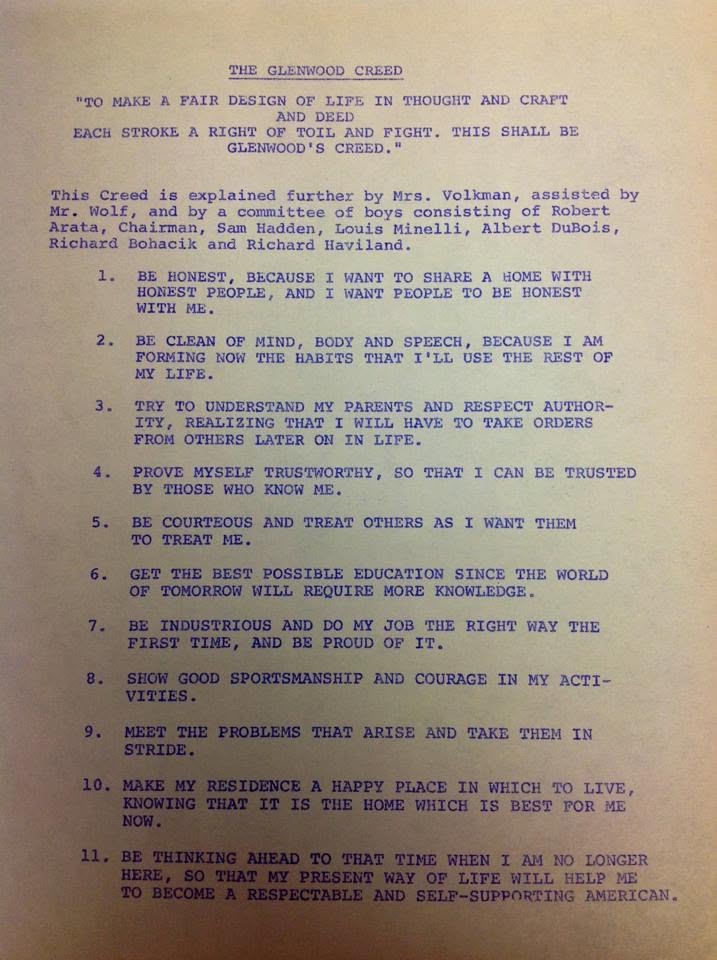
Discover how to find your purpose and improve your mental health in this personal episode of The Men's Self-Help Podcast. Dr. John shares a story from his life that highlights the struggles of building confidence and overcoming anxiety. Starting with losing a job at 25 to life lessons from childhood at Glenwood, this episode offers emotional wellness guidance and self improvement tips to help men thrive
See the Glenwood Creed mentioned in the show here.
Along the way, you'll hear about purpose, self-worth, delayed gratification, Choice Theory, the voices we carry from our past, and what it means to build a life of significance and worth.
You'll also hear from Dustin, a 28-year-old listener who has started wondering whether his relationship with alcohol may be becoming a problem. Dr. John talks about some of the early signs worth paying attention to and why you don't need to wait for your life to fall apart before asking for help.
The question running through all of it is simple:
What are you striving for — and is it taking you toward the man you want to become?
In This EpisodeHow old messages about ourselves can follow us into adulthood
Why success and purpose aren't necessarily the same thing
The psychology of striving
William Glasser's Choice Theory and the role of personal choice
Why delayed gratification still matters
Listening to the signals telling you something in your life needs attention
When it may be time to take a closer look at your relationship with alcohol
Recommended Reading Choice Theory: A New Psychology of Personal Freedom — William GlasserResources for Alcohol UseIf Dustin's question sounded familiar, you don't have to figure everything out by yourself. Consider talking with your physician, a licensed mental health professional, or an addiction counselor.
Free Thought Court WorksheetWant to challenge an unhelpful thought and look at it from a more balanced perspective? Dr. John created a free Thought Court worksheet you can download and use on your own. The accompanying Guy Counseling guide walks you through the exercise step by step.
No signup. No email address. No strings attached. Just grab it and use it if it's helpful.
Download the Free Thought Court Worksheet + How-To Guide
Online Therapy + CBT Tools 🪷Looking for online therapy with practical tools you can use between sessions? Online-Therapy.com offers individual and couples therapy along with a structured CBT program, worksheets, unlimited messaging, a journal, an activity plan, and yoga and meditation videos.
Save 20% on your first month: Visit Online-Therapy.com and use promo code THERAPY20.
Affiliate disclosure: The Men's Self-Help Podcast may receive a commission if you sign up through this link, at no additional cost to you.
Men's Holiday Gifts ❄️Visit the Guy Counseling Men's Gifts Page as mention on the show.
Contact the ShowIf you would like to contact the show with a question or submit a listener email, you can visit the podcast's website, Guy Counseling.
Use this link for the contact form
Keep in mind we get a lot of email and not all questions will be featured on the podcast. When you write, please let us know if we have your permission to feature your question. Identifying information may be changed to protect privacy.
Follow on Social MediaSupport the Show ☕If you've found value in this podcast and would like to help support its independent production, you can do so through Buy Me a Coffee.
Your support helps cover production costs, hosting, editing, and future episodes of The Men's Self-Help Podcast.
👉 https://buymeacoffee.com/mensselfhelp
DisclaimerThe Men's Self-Help Podcast is intended for informational and educational purposes only. It is not therapy and is not a substitute for medical advice, diagnosis, or professional mental health treatment. If you are struggling, please contact a qualified professional where you live.
Affiliate & Sponsor DisclosureThis episode may include paid sponsorships or affiliate links. If you make a purchase, sign up for a service, or take another qualifying action through one of these links, The Men's Self-Help Podcast may receive compensation at no additional cost to you. As an Amazon Associate, we earn from qualifying purchases. Sponsors and recommended resources may vary by episode.
Production NotesWritten and produced by Dr. John Moore, with Joel Oliver (audio) and editorial contributors. Artwork by Adobe Firefly; sounds by Pixabay. Episodes may combine live recording, voice models, and synthesized audio for listener questions, production efficiency, and contributor privacy.
Tue, 03 Nov 2026 - 29min - 55 - Do You Have Sex in the Dark? Building Sexual Confidence for Men 💡
div:has([data-free-thinking-preview-answer=true])+:is(.text-message,.relative:has(>.text-message))]:-mt-2 grow">
Men struggle with sexual confidence more than people might think. Body image issues can affect how men see themselves, how comfortable they feel during intimacy, and how they navigate relationships.
In this episode of The Men's Self-Help Podcast, Dr. John Moore explores the impact of body-image anxiety on men's intimacy, relationships, and everyday life. Sexual anxiety is also part of the discussion.
Through the story of a client named Ridge, Dr. John examines how concerns about physical appearance can extend far beyond the bedroom, affecting everything from mirrors and photographs to family gatherings, dating, and intimate relationships.
The episode also explores practical strategies for managing body-image anxiety and building sexual confidence, including visualization, affirmations, behavioral changes, and the "As If" technique.
Plus, Dr. John answers a listener question about recognizing when a long-term friendship may have run its course.
💙 Episode Sponsor: BetterHelpThis episode of The Men's Self-Help Podcast is sponsored by BetterHelp.
Get started: Visit BetterHelp
🎧 In This Episode• Male body image and appearance anxiety
• Sexual confidence, performance anxiety, and intimacy
• How shame and avoidance can affect relationships
• Why body insecurity can spread into other areas of life
• Using the "As If" technique to challenge anxious thinking
• Realistic visualization and behavioral change
• Recognizing when a friendship may need to change
📚 Recommended ReadingThe Adonis Complex by Harrison G. Pope Jr., Katharine A. Phillips, and Roberto Olivardia
This book explores the psychological impact of male body-image concerns, including muscularity, appearance preoccupation, shame, and the pressure many men experience to look a certain way.
It's a useful resource for understanding how body-image anxiety can influence self-esteem, relationships, and everyday behavior.
Amazon: The Adonis Complex
🔗 Related ResourcesHypnosis vs. Meditation — What's the Difference?
Learn more about the differences between clinical hypnotherapy and meditation in this Psychology Today article by Dr. Ran Anbar.
Article on Psychology Today on clinical hypnotherapy and meditation by Dr Ran Anbar
🔬 Research on Men and Body ImageMen's Body Satisfaction — Chapman University
Research involving more than 100,000 men examining satisfaction with physical appearance, body weight, muscle tone, and muscularity.
Study Findings via ScienceDaily
Body Image and Men — Mental Health Foundation
Information and research examining how body-image concerns affect men, including anxiety, social comparison, appearance-related distress, and efforts to conceal perceived physical imperfections.
Visit the Mental Health Foundation
⚠️ DisclaimerThe Men's Self-Help Podcast is intended for informational and educational purposes only. It is not therapy and is not a substitute for medical advice, diagnosis, or professional mental health treatment. If you are struggling, please contact a qualified professional where you live.
📱 Follow on Social MediaFacebook: Guy Counseling
Instagram: Guy Counseling
🧠 Thought Court Worksheet — Free Listener ResourceWant to challenge an unhelpful thought and examine it from a more balanced perspective?
Dr. John created a free Thought Court worksheet designed to help you identify, question, and reframe unhelpful thinking patterns. The accompanying Guy Counseling guide walks you through the exercise step by step.
No signup, no email address, and no strings attached. Just download the worksheet and use it whenever you find it helpful.
Download the Free Thought Court Worksheet + How-To Guide
☕ Support the ShowIf you've found value in this podcast and would like to support its independent production, you can do so through Buy Me a Coffee.
Contributions help cover hosting, audio production, editing, and the development of future episodes of The Men's Self-Help Podcast.
Support The Men's Self-Help Podcast
✉️ Contact the ShowHave a question for Dr. John or a topic you'd like to hear discussed on a future episode?
You can reach the podcast through the Guy Counseling website.
Please keep in mind that the show receives a significant amount of email, and not every question can be featured.
When writing, let us know whether you give permission for your question to be shared on the podcast. Identifying details may be changed to protect privacy.
🤝 Affiliate & Sponsor DisclosureThis episode may include paid sponsorships or affiliate links. If you make a purchase, sign up for a service, or take another qualifying action through one of these links, The Men's Self-Help Podcast may receive compensation at no additional cost to you.
As an Amazon Associate, we earn from qualifying purchases. Sponsors and recommended resources may vary by episode.
🎛️ Production NotesWritten and produced by Dr. John Moore, with Joel Oliver (audio) and editorial contributors. Artwork by Adobe Firefly; sounds by Pixabay. Episodes may combine live recording and synthesized audio for listener questions, production efficiency, and contributor privacy.
Tue, 27 Oct 2026 - 21min - 54 - How To Stop Anticipatory Anxiety and Calm Your Inner C-3PO
Ever notice how your brain can take something that might happen and somehow convince you it's probably going to happen?
In this episode of The Men's Self-Help Podcast, Dr. John explores anticipatory anxiety through one of the galaxy's greatest worriers: C-3PO.
Whether you're waiting for a text, worrying about a conversation with your boss, preparing for holiday travel, or waiting on medical test results or struggling with work burnout, uncertainty can send the mind racing into futures that haven't happened yet. Before long, possibility starts feeling like probability—and your body may begin reacting as though the feared event is already underway.
You'll learn a simple approach for interrupting the spiral: Possible. Probable. Response. You'll also discover why sometimes the first step isn't challenging an anxious thought at all. Sometimes you need to soothe your inner Threepio, ground yourself in the present, and work with what you actually know.
Dr. John also responds to a listener who is struggling with anxiety while waiting for medical test results—a reminder that anticipatory anxiety isn't always attached to unrealistic fears. Sometimes the uncertainty is real. The challenge becomes learning how to live inside the not knowing without forcing yourself to experience every possible outcome in advance.
In This EpisodeWhat anticipatory anxiety looks and feels like
How possibility quietly turns into probability
Why anxiety can disguise itself as planning and preparation
How to soothe your inner C-3PO when your thoughts start spiraling
A simple grounding exercise for getting back into the present
The Possible → Probable → Response technique
Why uncertainty doesn't always have an immediate answer
Health anxiety and the temptation to diagnose yourself online
How to respond when there really is something worth worrying about
Episode Sponsor: BetterHelpThis episode of The Men's Self-Help Podcast is sponsored by BetterHelp.
Get started: Visit Better Help
Recommended Reading
Health Anxiety Mastery — Dr. Artem Kudelia
A resource for people who struggle with health-related worry and anxiety.
Some resource links may be affiliate links. If you purchase through one of these links, the show may receive a small commission at no additional cost to you.
A Special Thank YouThe Men's Self-Help Podcast has now surpassed 1.7 million downloads. Whether you've been listening for years or you've only recently discovered the show, thank you for being part of this community.
If you enjoyed this episode, please follow or subscribe and consider leaving a rating or review wherever you listen. It helps other people discover the show.
Affiliate & Sponsor DisclosureThis episode may include paid sponsorships or affiliate links. If you make a purchase, sign up for a service, or take another qualifying action through one of these links, The Men's Self-Help Podcast may receive compensation at no additional cost to you. As an Amazon Associate, we earn from qualifying purchases. Sponsors and recommended resources may vary by episode.
Holiday Gifts for Men ❄️Visit the Guy Counseling Holiday Gifts for Men page that was mentioned in the podcast.
Contact the ShowIf you would like to contact the show with a question or submit a listener email, you can visit Guy Counseling.
👉 Use this link for the contact form
Keep in mind that we receive a lot of email and not all questions will be featured on the podcast. When you write, please let us know if we have your permission to feature your question. Identifying information may be changed to protect privacy.
Follow on Social MediaSupport the Show ☕If you've found value in this podcast and would like to help support its independent production, you can do so through Buy Me a Coffee.
Your support helps cover production costs, hosting, editing, and future episodes of The Men's Self-Help Podcast.
👉 https://buymeacoffee.com/mensselfhelp
DisclaimerThe Men's Self-Help Podcast is intended for informational and educational purposes only. It is not therapy and is not a substitute for medical advice, diagnosis, or professional mental health treatment. If you are struggling, please contact a qualified professional where you live.
Production NotesWritten and produced by Dr. John Moore, with Joel Oliver (audio) and editorial contributors. Artwork by Adobe Firefly; sounds by Pixabay. Episodes may combine live recording with synthesized audio for listener questions, production efficiency, and contributor privacy.
Mon, 12 Oct 2026 - 22min - 53 - How To Stop Negative People From Infecting Your Mindset ⚡
How to Protect Your Mindset From Negative People
Have you ever shared a goal, dream, or idea with someone only to have them immediately tell you why it won't work?
Maybe you've been told you're not smart enough, talented enough, experienced enough, attractive enough, or capable enough. Or maybe you have someone in your life who seems to find something negative to say about almost everything you're trying to accomplish.
In this episode of The Men's Self-Help Podcast, Dr. John Moore explores how other people's negativity can slowly become part of your own internal dialogue — and what you can do to stop that from happening.
Using personal stories, psychology, humor, and practical examples, John shares five principles for protecting your mindset without falling into the trap of simply ignoring every person who disagrees with you.
You'll learn why it's important to ask whether negative feedback is actually true, how to separate useful criticism from somebody else's crap, and why another person's cynicism may sometimes say more about their experiences than your potential.
You'll also discover why negativity can become contagious, why new goals sometimes need protection before they need publicity, and how to stop internalizing messages that were never yours to begin with.
🧠 In This Episode, You'll Explore:• How to ask yourself whether negative feedback is actually true
• The difference between constructive feedback and destructive criticism
• Why some people respond negatively when someone around them begins changing
• How chronic negativity can influence your own thinking
• Why you should be careful who gets access to a dream while it's still developing
• The idea of "build before you broadcast"
• How social media can keep us so busy being influenced that we forget to influence ourselves
• Why you don't have to internalize somebody else's bitterness, cynicism, or regret
• Freud's psychosexual stages and the concept of an anal-expulsive personality
• A listener question about social anxiety, self-consciousness, and replaying conversations afterward
• Why using alcohol as "liquid courage" in social situations can become problematic
• Practical ways to move attention away from yourself during socially anxious moments
• Why feeling awkward doesn't necessarily mean you looked awkward
📚 Recommended ReadingThe Shyness and Social Anxiety Workbook by Martin M. Antony and Richard P. Swinson
A practical workbook using cognitive-behavioral strategies to help people better understand and work through shyness and social anxiety.
🔗 Resources MentionedFreud's Psychosexual Stages of Development Simply Psychology https://www.simplypsychology.org/psychosexual.html
Quick Overview of Chicago's Metropolitan Correctional Center A short YouTube video offering a quick overview of the Metropolitan Correctional Center in downtown Chicago. https://www.youtube.com/watch?v=rThWng-X6c8
🎧 Related EpisodeThe Power of No: How to Say No Without Guilt Learn why saying no can feel so difficult and how clearer boundaries can help you stop organizing your life around other people's expectations. https://guycounseling.com/say-no-without-guilt/
🔔 Man-Firm-AtionI decide which voices I allow to shape my life. Someone else's negativity does not have to become my reality. I protect my dreams, my hopes and my light.
Remember: somebody else gets to have an opinion about you. You get to decide whether you make that opinion your reality.
Don't let somebody else's negativity infect your positivity.
This podcast is for educational purposes only and is not a substitute for mental health counseling.
📢 Affiliate & Sponsor DisclosureThis episode may include paid sponsorships or affiliate links. If you make a purchase, sign up for a service, or take another qualifying action through one of these links, The Men's Self-Help Podcast may receive compensation at no additional cost to you. As an Amazon Associate, we earn from qualifying purchases. Sponsors and recommended resources may vary by episode.
💙 Episode Sponsor: BetterHelpThis episode of The Men's Self-Help Podcast is sponsored by BetterHelp.
Get started: Visit Better Help
📱 Follow on Social Media📝 Thought Court Worksheet — Free Listener ResourceWant to challenge an unhelpful thought and look at it from a more balanced perspective? Dr. John created a free Thought Court worksheet you can download and use on your own. The accompanying Guy Counseling guide walks you through the exercise step by step.
No signup. No email address. No strings attached. Just grab it and use it if it's helpful.
Download the Free Thought Court Worksheet + How-To Guide
☕ Support the ShowIf you've found value in this podcast and would like to help support its independent production, you can do so through Buy Me a Coffee.
Your support helps cover production costs, hosting, editing, and future episodes of The Men's Self-Help Podcast.
👉 https://buymeacoffee.com/mensselfhelp
🎙️ Production NotesWritten and produced by Dr. John Moore, with Joel Oliver (audio) and editorial contributors. Artwork by Adobe Firefly; sounds by Pixabay. Episodes may combine live recording with synthesized audio for listener questions, production efficiency, and contributor privacy.
Tue, 06 Oct 2026 - 31min - 51 - How to Stop Being a Nice Guy and People Pleaser 😀
Stop Being a Nice Guy and People Pleaser
Are you tired of being a nice guy and people and people pleaser? Sick of feeling like you're being taken advantage of? In this episode of The Men's Self-Help Podcast, Dr. John Moore explores the hidden cost of chronic people-pleasing and why it often goes unnoticed in men.
What looks like being dependable, hardworking, loyal, or simply being a good guy may actually be a learned strategy for avoiding guilt, conflict, disappointment, or the fear of letting someone down.
You'll discover six practical steps for recognizing the pattern, creating a pause before automatically agreeing, setting clearer boundaries, and tolerating the discomfort that can follow when you begin using the word no.
Dr. John also responds to a listener named Chris, who worries that declining invitations from his friends could eventually cause him to lose his place in the group.
This episode is sponsored by BetterHelp.
In This Episode• Why being a nice guy comes at a cost
• How people-pleasing can show up differently in men
• The connection between approval, identity, and automatic agreement
• How early experiences can shape the need to keep others happy
• Why cognitive rehearsal can make saying no easier
• How to pause before committing to something
• How to say no without overexplaining or apologizing
• Why another person's disappointment does not automatically mean you did something wrong
• How distress tolerance can help you maintain a healthy boundary
• Why asking "What do I want?" can become an important ongoing practice
Resources MentionedSome of the links below are affiliate links. If you make a qualifying purchase through one of these links, Guy Counseling may receive a small commission at no additional cost to you. Thank you for helping support the independent production of this podcast.
The Assertiveness Workbook by Randy J. Paterson, PhDDr. John discusses cognitive rehearsal and the value of practicing assertive responses before you need them in real life. The Assertiveness Workbook offers practical exercises for developing clearer communication, setting boundaries, and becoming more comfortable with assertiveness.
Amazon: https://amzn.to/4crv5aR
When I Say No, I Feel Guilty by Manuel J. SmithDr. John recommends this classic assertiveness book while responding to listener Chris, who struggles with saying no without feeling guilty or worrying about disappointing others. When I Say No, I Feel Guilty offers practical strategies for communicating more assertively, setting limits, and handling the guilt or pressure that can come when you stop automatically saying yes.
Amazon: https://amzn.to/4zou1OM
Have a Question for a Future Listener Email?Do you have a question you would like Dr. John to consider for a future listener-email segment?
Submit it through the contact form below. Dr. John reads every message that comes through, although not every question can be featured on the podcast.
https://guycounseling.com/contact-us/
Listener messages featured on the podcast are shared with permission. Names and identifying details may be changed to protect privacy, and messages may be edited for length and clarity. A synthesized voice may also be used when reading an email.
Support the ShowIf you've found value in this podcast and would like to help support its independent production, you can do so through Buy Me a Coffee.
Your support helps cover production costs, hosting, editing, and future episodes of The Men's Self-Help Podcast.
👉 https://buymeacoffee.com/mensselfhelp
DisclaimerThe Men's Self-Help Podcast is intended for informational and educational purposes only. It is not therapy and is not a substitute for medical advice, diagnosis, or professional mental health treatment. If you are struggling, please contact a qualified professional where you live.
Follow on Social MediaFree Thought Court WorksheetWant to challenge an unhelpful thought and look at it from a more balanced perspective? Dr. John created a free Thought Court worksheet you can download and use on your own. The accompanying Guy Counseling guide walks you through the exercise step by step.
No signup. No email address. No strings attached. Just grab it and use it if it's helpful.
Download the Free Thought Court Worksheet + How-To Guide
Production NotesProduced by Dr. John Moore with Joel Oliver (audio) and editorial contributors. Artwork by Adobe Firefly; sounds by Pixabay. Episodes may combine live recording and synthesized audio for listener questions, production efficiency, and contributor privacy.
Tue, 15 Sep 2026 - 25min - 49 - Building Confidence: 10 Habits of Men Who Have Their Shit Together
Trying to build confidence? How Do You Actually Get Your Life Together as a Man?
In this episode of The Men's Self-Help Podcast, Dr. John Moore explores 10 habits of men who have their sh*t together and what getting your life together actually looks like in the real world.
Drawing on more than two decades of clinical experience in men's work, Dr. John breaks down practical habits for men focused on self-improvement, personal growth, stronger relationships, better sleep, and creating a life that feels more grounded.
This isn't the Instagram version of having your life together. It's about defining success on your own terms, keeping promises to yourself, protecting your sleep, maintaining friendships, taking responsibility for your choices, and knowing when to ask for help.
Whether you're already practicing some of these habits or feel like you're starting from scratch, this episode offers a practical roadmap you can begin using this week.
In This Episode What it really means to have your life together Why defining success on your own terms matters The importance of keeping promises to yourself Why protecting your sleep is part of getting your life together How grounded men build habits that hold up under pressure Why maintaining friendships and important relationships matters The role of personal responsibility in self-improvement Why asking for help can be a sign of strength How small, consistent choices can shape the direction of your life Practical ways to start getting your life together this week SponsorThe Men's Self-Help Podcast is sponsored by BetterHelp.
Head to https://betterhelp.com/guycounseling to get 10% off your first month of therapy.
Resources MentionedSome of the links below are affiliate links. If you make a qualifying purchase through one of these links, Guy Counseling may receive a small commission at no additional cost to you. Thank you for helping support the independent production of this podcast.
Contact (1997) — TrailerReferenced in the discussion of Habit 2, keeping promises to yourself. Directed by Robert Zemeckis and starring Jodie Foster.
The Insomnia Breakthrough by Katherine ColemanRecommended in the discussion of Habit 4, protecting your sleep. Dr. John has recommended this book to clients over the years with strong results.
The Harvard Study of Adult DevelopmentReferenced in the discussion of Habit 7, maintaining relationships. This long-running study has followed participants across decades and has highlighted the importance of strong relationships for long-term health and well-being.
Learn more about the Harvard Study of Adult Development
Have a Question for the Podcast?Have a question you'd like Dr. John to answer on a future episode? Send it through the Guy Counseling contact form:
https://guycounseling.com/contact-us/
If your question is selected, identifying details may be changed to protect your privacy, and it may be read using a synthesized voice.
Support the ShowIf you're enjoying The Men's Self-Help Podcast and would like to help support its independent production, you can buy Dr. John a coffee here:
https://buymeacoffee.com/mensselfhelp
Follow on Social MediaFree Thought Court WorksheetWant to challenge an unhelpful thought and look at it from a more balanced perspective? Dr. John created a free Thought Court worksheet you can download and use on your own. The accompanying Guy Counseling guide walks you through the exercise step by step.
No signup. No email address. No strings attached. Just grab it and use it if it's helpful.
Download the Free Thought Court Worksheet + How-To Guide
DisclaimerThis podcast is for educational and informational purposes only and is not a substitute for professional medical or mental health care, diagnosis, or treatment. Please consult a licensed professional for individualized support.
Production NotesProduced by Dr. John Moore with Joel Oliver (audio) and editorial contributors. Artwork by Adobe Firefly; sounds by Pixabay. Episodes may combine live recording and synthesized audio for listener questions, production efficiency, and contributor privacy.
Tue, 01 Sep 2026 - 23min - 47 - Stop Musterbating Everywhere! How to Stop "Shoulding" on Yourself
How to Stop "Shoulding" on Yourself
Do you constantly tell yourself you should be doing better, that you must have everything figured out, or that life ought to be different?
In this episode of The Men's Self-Help Podcast, Dr. John Moore explores the psychology of musterbation — the rigid musts, shoulds, and oughts that can put enormous pressure on us and make it harder to deal with everyday life.
The concept comes from psychologist Albert Ellis and Rational Emotive Behavior Therapy (REBT). You'll discover how this kind of rigid self-talk can quietly fuel anxiety, guilt, anger, shame, perfectionism, and emotional exhaustion.
Dr. John walks through a practical three-step approach for challenging these destructive internal rules and replacing them with more flexible ways of thinking.
You'll also hear from Matt, a listener who isn't sure he's ready to marry the woman he's been dating. Dr. John discusses the difference between outside pressure and genuine readiness, why unresolved conflict deserves attention, and how premarital counseling can help couples approach one of life's biggest decisions with greater clarity.
Whether you're struggling with perfectionism, relationships, negative self-talk, or impossible expectations, this episode offers practical psychological tools you can begin using today.
In This EpisodeWhat psychologist Albert Ellis meant by "musterbation"
How musts, shoulds, and oughts can create unnecessary emotional pressure
The basics of Rational Emotive Behavior Therapy (REBT)
How rigid thinking can contribute to anxiety, guilt, anger, and shame
Why perfectionism often involves unrealistic internal rules
How to identify the musts and shoulds hiding in your self-talk
A practical three-step approach for challenging rigid beliefs
How to replace demands with more flexible thinking
The difference between relationship pressure and genuine readiness for marriage
How premarital counseling can help couples make more informed decisions
SponsorToday's episode is sponsored by BetterHelp.
Head to https://betterhelp.com/guycounseling to get 10% off your first month with our sponsor, BetterHelp. Therapy can be a meaningful space to reflect, grow, and create positive change in your life.
Resources MentionedSome of the links below are affiliate links. If you make a qualifying purchase through one of these links, Guy Counseling may receive a small commission at no additional cost to you. Thank you for helping support the independent production of this podcast.
ABC Model for REBT Worksheet — Therapist AidUse this worksheet to explore the ABC model commonly associated with REBT and examine the connection between beliefs and emotional or behavioral consequences.
Example Premarital Counseling ProgramLearn what couples typically discuss during a structured premarital counseling program, including communication, conflict resolution, finances, intimacy, family expectations, and future planning.
Chicago Premarital Counseling Program
Before You Say "I Do" by H. Norman Wright and Wes RobertsA resource for couples considering marriage and thinking through important questions before making a lifelong commitment.
Have a Question for the Podcast?Have a question you'd like Dr. John to answer on a future episode? Send it through the Guy Counseling contact form:
https://guycounseling.com/contact-us/
If your question is selected, identifying details may be changed to protect your privacy, and it may be read using a synthesized voice.
Support the ShowIf you're enjoying The Men's Self-Help Podcast and would like to help support its independent production, you can buy Dr. John a coffee here:
https://buymeacoffee.com/mensselfhelp
DisclaimerThis podcast is for educational and informational purposes only and is not a substitute for professional medical or mental health care, diagnosis, or treatment. Please consult a licensed professional for individualized support.
Production NotesWritten and produced by Dr. John Moore, with Joel Oliver (audio) and editorial contributors. Artwork by Adobe Firefly; sounds by Pixabay.
Tue, 18 Aug 2026 - 22min - 46 - How to Quiet Your Anxious Brain With Something in the Nothing
Have you ever finally gotten a chance to relax—only to discover that you can't handle the quiet?
In Episode 47 of The Men's Self-Help Podcast, Dr. John Moore explores why stillness can feel strangely uncomfortable in a world filled with notifications, headlines, endless scrolling, and constant demands for our attention.
Drawing from a personal experience in Puerto Rico, Dr. John explains how repeated stimulation can leave the nervous system stuck on alert. Even when nothing is wrong, the brain may interpret quiet as unfamiliar—and therefore suspicious.
You'll learn why the amygdala acts like a smoke alarm that sometimes struggles to distinguish a real emergency from everyday "burnt toast." You'll also hear about the brain's default mode network and the important work that may occur when you stop actively doing and allow your mind to settle.
The episode also explores what contemplative traditions have understood for centuries: stillness is not empty. It can create room for memories to organize, emotions to surface, ideas to connect, and clarity to emerge.
Dr. John concludes with one simple challenge: place your phone in another room and spend five minutes sitting in the nothing. When the restlessness appears, don't treat it as failure. Treat it as the repetition that helps teach your nervous system that quiet can be safe.
Today's sponsor
This episode is sponsored by BetterHelp.
BetterHelp offers online access to licensed therapists with experience in areas such as anxiety, depression, relationships, career concerns, and other challenges.
Learn more and get started at:
https://www.betterhelp.com/guycounseling
This is an affiliate link. The Men's Self-Help Podcast may receive compensation when listeners use it.
Recommended book
Meditation for Fidgety Skeptics by Dan Harris
As an Amazon Associate, Guy Counseling may earn from qualifying purchases at no additional cost to you.
Related Reading
When nothing clearly dangerous is happening, anxiety can still make uncertainty feel like a threat. Calm Anxiety explains why anxiety can make safe situations feel dangerous and how avoidance, reassurance-seeking, and threat prediction can reinforce that response. From Calm Anxiety Clinic. Want to help support the show? Buy Me a coffee! https://buymeacoffee.com/mensselfhelp
Important disclaimer
The Men's Self-Help Podcast is intended for educational and informational purposes only. It is not a substitute for psychotherapy, medical advice, diagnosis, or treatment. Dr. John Moore is not acting as your personal therapist through this podcast. Please speak with a licensed healthcare professional if you are experiencing concerns about your mental or physical health.
Production note:
Audio production assistance provided by Joel Oliver. Episode artwork generated with Adobe Firefly. Transition sounds provided royalty-free by Pixabay. This episode blends live-recorded audio with Dr. John Moore's own authorized voice model.
Tue, 04 Aug 2026 - 14min - 45 - How to Build a Morning Routine That Actually Works
Ever notice how some mornings seem to set the tone for your entire day?
In this episode of The Men's Self-Help Podcast, Dr. John Moore explores what makes a healthy morning routine actually work—and why you don't need an elaborate, social media-worthy ritual to start your day on the right foot.
You'll learn why your morning routine should focus on four essential goals: waking up your body, settling your nervous system, activating your mind, and directing your attention. Along the way, John shares practical ideas you can begin using immediately, whether you have an hour, thirty minutes, or just fifteen.
You'll also hear why perfection isn't the goal, how to create a routine you'll actually stick with, and what to do when life inevitably throws your schedule off track.
If you've been looking for a simple, realistic approach to building better mornings, this episode offers practical strategies grounded in psychology—not hype.
In this episode you'll learn: Why most morning routines fail The four jobs every healthy morning routine should accomplish How to calm your nervous system before the day begins The difference between productive habits and performative routines How to create a morning routine you can actually maintainIf you enjoyed this episode, please consider subscribing, leaving a review, and sharing it with someone who could use a better start to their day.
Resources Mentioned Looking for a signature scent? Check out Dr. Moore's guide to Best Colognes for Men: 25 Popular Fragrances Worth Wearing. Looking for Mental Health Counseling? Check out Better HelpAffiliate disclosure: The BetterHelp link above is an affiliate link. If you sign up through it, Guy Counseling may receive a commission at no additional cost to you. Production note: Audio production assistance provided by Joel Oliver. Episode artwork generated with Adobe Firefly. Transition sounds provided royalty-free by Pixabay. This episode blends live-recorded audio with Dr. John Moore's own voice model.
Tue, 21 Jul 2026 - 25min - 44 - I'm Back: The Men's Self-Help Podcast Returns
After a long break, The Men's Self-Help Podcast is coming back.
In this brief return message, Dr. John shares why he stepped away, why he decided to return, and what listeners can expect going forward.
New episodes will focus on men's mental health, relationships, emotional wellness, and practical tools you can actually use.
The first full episode returns next week with a conversation about what to do when you feel yourself spiraling.
Thu, 16 Jul 2026 - 02min - 43 - Encore: Is It Time To Take a Break from Social Media?
This encore presentation explores the five signs you may need to take a break from social media. Visit this link for show notes on the Guy Counseling blog.
Wed, 02 Feb 2022 - 33min - 42 - How to Stop Letting People Get Under Your Skin
Do you struggle with people getting under your skin? Are you easily triggered by certain comments or topics? Hoping to create positive change? In this episode sponsored by Better Help, Dr. John explores how to stop letting people get under your skin. You'll hear about the story of Austin, a young man who lost his temper on a train. Discover approaches to counseling including EMDR and Internal Family Systems (parts therapy) as part of healing past wounds.
Do you have an internal protector, deep inside, trying to keep you from the source of your hurts? If trauma and pain are part of your past, you'll want to listen to this episode.
Important Links
Use this link to get a special offer for listeners of the podcast with Better Help.
Visit Good Therapy to learn about EMDR
Link to episode 38 on how Karma wants your dreams to come true.
Learn about Internal Family Systems (parts therapy).
Helpful articles from one of the best anxiety therapist websites.
Follow Dr. John on Social Media
Guy Counseling on Instagram Guy Counseling on Facebook John's website and newsletter sign upWed, 12 Jan 2022 - 24min - 41 - 4 Keys To Changing Unhealthy Behaviors
Are you trying to change an unhealthy behavior? Do you drink too much, eat too much or smoke too much? Is there a part of you who has come to realize your relationship with gambling, porn or shopping is toxic?
In this episode of the Men's Self-Help Podcast, Dr. John explores the process of change and how using the REST technique may be helpful. REST is the acronym for RELAX, EXAMINE, SET YOUR INTENTION, and TAKE ACTION and it comes from the world of DBT or Dialectical Behavior Therapy.
Learn how using REST may offer a powerful brain hack by allowing you to ease into creating change in your brain's pleasure center.
Important Links
Better Help – Show Sponsor
To learn about the special offer for listeners of the Men's Self-Help Podcast, use this link
Learn about DBT and a technique to help control anger.
Listen to episode 33 to learn more about DBT.
Help Guide on Addiction: A Harvard Health Article with a discussion about the brain's pleasure center and information about the nucleus accumbens as mentioned in the podcast.
Click here to read the article
Learn about positive psychology and how it can be used as part of counseling and coaching to help a person create change.
Visit the Positive Psychology podcast.
DBT Skills Workbook
This workbook was mentioned in the pod. Visiting this link will brink you to Amazon. If you buy this book with this link, the podcast receives an affiliate commission. Click to go to Amazon.
Follow Us on Social Media
Click here to follow on Facebook
Click here to follow on Instagram
Click here to follow on Twitter
Wed, 29 Dec 2021 - 23min - 40 - 5 Strategies To Find Your Purpose In Life
Trying to discover your life purpose? Does it feel like your life lacks meaning? In this episode, Dr. John goes over five specific strategies to help you find yourself and your life purpose. Using a combination of story telling with insights from Carl Jung, you can find out new things about yourself and train your brain to stimulate your Reticular Activating System, the part of the brain that is concerned with awareness.
As part of the show, you'll also learn about a men's resource for generating inner-happiness and awareness around your purpose. Finally, learn about the special guide Dr. John has put together as part of your self-care routine - for guys.
Important Links
Click here for a special skin care guide for men, created by Dr. John
Top 7 reasons men seek out therapy - Episode 37 Free personality assessment from 16 personalities. The Reticular Activating System from University of Minnesota The Daily Gratitude Journal for Men (Click here for Amazon)Other Links
Guy Counseling on Instagram Guy Counseling on Facebook Dr. John's website and newsletter sign upWed, 15 Dec 2021 - 17min - 39 - How To Reprogram Your Anxious Mind
Do you feel your mind is wired for anxiety? Do you constantly worry about failing? Are you looking for concrete ways to create positive change? In this episode, Dr. John explores the relationship between your thoughts, your brain and anxiety. Discover why fight, flight or freeze can be so powerful. Learn several easy-to-use coping techniques for creating calm as part of reprograming your anxious mind.
Resources Mentioned in Podcast
Health Line Article on how some form of anxiety can be traced to a chemical imbalance.
Link To Episode 31: Comat Negative Self-Talk
Link To Episode 35: How To Quickly Get Out of a Funk
Link to Medical News Daily: Four Squared Breathing
Book Suggestion
Re-Wire Your Anxious Brain: How to Use the Neuroscience of Fear to End Anxiety, Panic and Worry. Visit Amazon
Important Links:
Panic Attack Treatment and Information from The Calm Anxiety CBT Therapy Clinic
Show Notes – Guy Counseling Blog: www.guycounseling.com
Sponsor: - Better Help: www.betterhelp.com/guycounseling
Follow Us On Instagram: https://www.instagram.com/guycounseling1
Wed, 01 Dec 2021 - 26min - 38 - What Is Pronoia? Could Life Be Working in Your Favor?
What Is Pronoia? Could Life Be Working in Your Favor?
What if instead of believing the world was working against you, you experimented with the possibility that things might actually be working in your favor?
In this episode of The Men's Self-Help Podcast, Dr. John Moore explores pronoia, a concept often described as the opposite of paranoia.
With paranoia, we may interpret events as evidence that people or circumstances are working against us. Pronoia invites us to play with a radically different idea: What if the universe was conspiring to help you rather than hurt you?
Originally titled Karma Wants to Make Your Dreams Come True, this episode isn't about pretending that bad things don't happen or that positive thinking magically changes reality. Instead, Dr. John asks you to experiment with a different way of looking at your experiences, opportunities, setbacks, and future.
What might change if you became more open to the possibility that something good could be waiting around the corner?
In This EpisodeWhat pronoia means
Why pronoia is sometimes described as the opposite of paranoia
How expectations can influence the way we interpret experiences
What happens when you begin looking for possibilities instead of threats
Why optimism doesn't require pretending everything is perfect
How changing your perspective can change what you notice
The difference between hopeful thinking and denying reality
Why uncertainty doesn't always have to mean something bad is coming
How to become more open to positive possibilities
A simple thought experiment for looking at your life differently
Anxiety Therapy in ChicagoIf anxiety, worry, or constantly expecting something to go wrong is making everyday life difficult, professional support may help.
The Calm Anxiety Clinic offers Anxiety Therapy in Chicago using evidence-based approaches for anxiety and related concerns.
Important LinksGuy Counseling
BetterHelp
www.betterhelp.com/guycounseling
Follow on Social MediaDisclaimerThe Men's Self-Help Podcast is intended for educational and informational purposes only. It is not therapy and is not a substitute for medical advice, diagnosis, or professional mental health treatment. If you are struggling, please contact a qualified professional where you live.
Wed, 17 Nov 2021 - 24min - 37 - 7 Top Reasons Men Seek Out Therapy
Have you ever wondered why some men seek out therapy? Are you in counseling now and curious to know if other guys are struggling with the same issues? In this episode, Dr. John reveals the top 7 reasons men go into counseling. As part of the show, he also answers a listener email from a man who has become dependent on using alcohol to become socially lubricated before going out on a date.
Resources for Men Seeking Therapy:
Find a Therapist for Online Counseling: www.betterhelp.com/guycounseling Find a Therapist in Chicago: If you're in the Chicago area, 2nd Story Counseling offers experienced therapists who specialize in men's mental health issues LGBTQ+ Affirming Care: For those seeking inclusive therapy options, visit our LGBTQ+ therapist directory Men's Mental Health Info: National Resource Center for Men's Mental Health: www.menshealthnetwork.org Crisis Support: National Suicide Prevention Lifeline: 988 (call or text) Substance Use Support: SAMHSA National Helpline: 1-800-662-4357Connect With Us:
More Men's Mental Health Content: www.guycounseling.com Follow Guy Counseling on Instagram: https://www.instagram.com/guycounseling1Wed, 03 Nov 2021 - 24min - 36 - 7 Things Women Secretly Say About Men in Therapy
Do you ever wonder what women say about men in therapy? What are some of the common themes that come up when it comes to men? Can knowing about some of these topics help you in your relationships?
In this episode, Dr. John walks you through seven common themes that women touch on about men in the counseling office. Some of these may seem like common sense. Others may cause you to pause and reflect. You can use these topics to better help you understand the women in your life.
This week's listener email comes to us from a man who is struggling with dating app fatigue and is tired of being rejected whenever he puts himself out there.
Important Links:
Show Notes – Guy Counseling Blog: www.guycounseling.com
Men's Skin Care Guide: Men's Skincare Guide Made Simple
Best Smelling Colognes for Men
Follow Us On Instagram: https://www.instagram.com/guycounseling1
Wed, 08 Sep 2021 - 23min - 35 - How to QUICKLY Get Out of a Funk
At some point, all of us fall into a funk. In this episode, I'm going to give you 7 of my tips for pulling yourself out of a funk BEFORE it turns into a rut! Learn how to help boost your mood quickly and create positive change. Episode infused with some of the teaching of Dr. William Glasser, the Father of Reality Therapy and Choice Theory. Show Notes on the www.guycounseling.com blog.
William Glasser Choice Theory
https://wglasser.com/what-is-choice-theory/
Loving Kindness Meditation Study
https://www.youtube.com/watch?v=sz7cpV7ERsM
Information on Cognitive Behavioral Therapy
Follow us on Instagram at:
https://www.instagram.com/guycounseling1/
Follow us on Facebook at:
https://www.facebook.com/guycounseling/
Wed, 25 Aug 2021 - 15min - 34 - What If Positive Thinking Doesn't Work?
Everyone knows positive thinking can be helpful, but what happens when it doesn't work? Can you make yourself feel worse by forcing happy talk? In this episode, Dr. John explores the downside to positive thinking and how trying to deny your feelings can be harmful. Learn about an alternative called Acceptance and Commitment Therapy. Also, you'll hear from a listener who describes himself as overweight and can't experience intimacy unless he's wearing a shirt.
Important Links:
Show Notes – Guy Counseling Blog: www.guycounseling.com
Sponsor: - Better Help: www.betterhelp.com/guycounseling
Follow Us On Instagram: https://www.instagram.com/guycounseling1
Wed, 11 Aug 2021 - 21min - 33 - Preventing Anger From Turning Into Rage With DBT
Do you suppress your anger? When you do express these feelings, do you blow up on people, like your partner, children, or coworkers? Looking for practical tools to create change? In this episode of the Men's Self-Help Podcast, Dr. John Moore will teach you two POWERFUL tools from the world of Dialectical Behavior Therapy (DBT) that can be used as coping strategies. Learn how to channel your anger into a discussion with the aim of getting your needs met. As part of the discussion, you'll also learn why anger is not a dirty word.
This week's listener email comes from a man who is struggling with an inability to urinate in public places and isn't sure what to do. Learn about shy bladder syndrome, also referred to as paruresis.
Important Links:
Show Notes – Guy Counseling Blog: www.guycounseling.com
Sponsor: - Better Help: www.betterhelp.com/guycounseling
Follow Us On Instagram: https://www.instagram.com/guycounseling1
Wed, 28 Jul 2021 - 26min - 32 - What To Do When Your Partner Never Initiates Sex
Do you have a partner who never initiates sex? Has this dynamic caused frustration or confusion in your relationship? In this episode of the Men's Self-Help Podcast, sponsored by BetterHelp, Dr. John explores the idea of "It's Always Been This Way" and how reframing the core question can create real change.
You'll also hear from a listener who wants to know if it's OK to start dating someone he previously hooked up with on an app. If you're thinking about strengthening your relationship or building a healthier foundation, you might also find this resource helpful: Premarital Counseling in Chicago.
Show notes are available on the Guy Counseling Blog.
Follow on Instagram: https://www.instagram.com/guycounseling1/ Follow on Facebook: https://www.facebook.com/guycounseling/ Follow on Twitter: https://twitter.com/guycounseling
Wed, 14 Jul 2021 - 21min - 31 - 7 Ways To Combat Negative Self-Talk
Do you struggle with negative self-talk? Has it caused you to derail? Hoping to learn how to combat it? In this episode, sponsored by Better Help, Dr. John Moore creates a metaphor with your mind being a train and how – if you aren't careful – your thoughts can act as objects that can lead to derailment. You'll learn 7 concrete ways from combatting negative thinking, plus several resources. You'll also hear from a listener who is having difficulties with adjusting to life as the pandemic eases. Re-entry anxiety and FOMO are discussed. Show notes for this episode can be found on the Guy Counseling blog.
Show Notes - www.guycounseling.com
Follow on Instagram: https://www.instagram.com/guycounseling1
Wed, 30 Jun 2021 - 27min - 30 - Is Erotic Hypnosis Real?
Show Notes:
You may have heard of the term erotic hypnosis, but does such a thing exist? In this episode of the Men's Self-Help Podcast sponsored by Better Help, Dr. John explores the topic of hypnosis and offers listeners a working definition. He then moves on to explaining what erotic hypnosis is – and what it is not. Examples and resources are shared as part of the experience. You'll also hear a listener email from a man who is having problems with his libido.
Resources Mentioned:
For men exploring their sexuality and seeking affirming mental health support, 2nd Story Counseling offers LGBTQ+ therapy in Chicago with experienced therapists who understand the unique challenges facing the LGBTQ+ community. Additional resources on sexual health and mental wellness can be found through the American Psychological Association and Psychology Today's Therapist Directory.
Show notes can be found on the Guy Counseling blog.
Follow on Instagram @guycounseling1 Facebook --> https://www.facebook.com/guycounseling Twitter @guycounseling
Wed, 16 Jun 2021 - 29min - 29 - 7 Ways To Dial Down Perfectionism
Struggling with perfectionism? Looking for practical ways to create change? In this episode, Dr. John Moore explores some of the causal reasons behind perfectionism, which are largely linked to early childhood. In addition, you'll be offered 7 straightforward ways to dial down perfectionism in your own life.
As part of the show sponsored today by Better Help, you'll hear an email from a man who is feeling shame around his weight gain and wanting to exercise but isn't sure what to do. Visit the guycounseling.com website.
If you are in Chicago and looking for therapy and counseling on the nothside, consider 2nd Story Counseling.
Fri, 04 Jun 2021 - 36min - 28 - 7 Ways To Stop Obsessive Thinking
Learn the signs and symptoms of obsessive thinking, also referred to as rumination. Click here to access shownotes with informational links for episode 28. You can also visit the show's website at guycounseling.com to access the shownotes.
Sun, 23 May 2021 - 29min - 27 - How To Create Physical Intimacy Through Mindfulness
Searching for ways to create physical intimacy in your relationship? In this show, Dr. John walks listeners through the technique of sensate focus. Learn how to bring that feeling of closeness and intuitiveness back to your love life. Learn about a 10% discount to listeners of the podcast with BetterHelp.
Visit show notes on the blog for handouts and resources.
Mon, 08 Jun 2020 - 22min - 26 - How To Create Motivation For Goals
Do you struggle to find the motivation to reach goals, like exercising, eating healthier or learning a new skill? Does depression get in your way of motivation? In this podcast, Dr. Moore explores goal attainment using the "As If" technique. He also responds to a listener email regarding the idea of moving in together before getting married.
Sun, 05 Jan 2020 - 22min - 25 - How To Deal With Toxic Shame
Do you struggle with shame? Are you looking for healthy ways of working through? Trying to up your self-esteem? In this podcast, Dr. John explores the issue of toxic shame and explains:
1. What shame is
2. How it manifests psychologically and physiologically
3. Concrete steps for working through
See Show Notes for specifics on this topic and links to helping resources.
Sat, 28 Dec 2019 - 23min - 24 - Anxiety Podcast: Autogenic Training Meditation
In this podcast, learn how to reduce anxiety and cope with stress through Autogenic Training (AT). Discover a new way to create calm from within.
Narrated by Dr. Moore, listen as he guides you through an amazing experience while teaching you a tool for coping with anxiety.
Copy of narration available in show notes. This anxiety podcast is designed as a tool for healthy coping.
Fri, 20 Dec 2019 - 11min - 23 - 7 Concrete Ways To Boost Your Self-WorthSun, 15 Dec 2019 - 21min
- 22 - Viking Meditation: Thor's Hammer For Sexual Confidence
Using metaphor, Nordic myth and elements from popular culture, this recording is designed to enhance sexual confidence and boost self-esteem in other life areas. The recording is "G" rated and does not contain any offensive language. See show notes to learn more on this Viking Meditation to learn more.
Mon, 09 Dec 2019 - 13min - 21 - How To Create a Circle of Confidence - A Hypnotic Meditation
Struggle with self-esteem? Looking to increase your level of confidence? Need to be more assertive? In this episode, Dr. Moore guides you through a guided imagery meditation through self-hypnosis. Affirmations are included to help boost feelings of self worth.
Learn how to create your personal circle of confidence and experience inner strength. To learn more, visit this post from Moore's website on Creating a Circle of Confidence.
If you like this podcast, please leave a review. Your feedback is greatly appreciated.
Tue, 26 Nov 2019 - 12min - 20 - 7 Goal Setting Mistakes That Stop You From SuccessSat, 07 Sep 2019 - 19min
- 19 - 7 Ways To Gain Confidence In Dating (E19)
Have you recently found yourself back on the dating scene? Do you struggle with confidence and dating? In this episode, Dr. John Moore explores 7 unique ways you can increase your confidence in the world of dating. As part of the show, Dr. Moore calls on the resources of Chicago psychologist Dr. Tyler Fortman and shares 7 ways to boost self-esteem when dating.
Click here to review complete show notes with resources on Guy Counseling.
If you liked this podcast, please leave a review. Your feedback is greatly appreciated!
Tue, 09 Jul 2019 - 26min - 18 - E18: 5 Signs It's Time To Take a Break From Social Media
How do you know when it's time to take a break from social media? How much is too much time spent on Instagram, Facebook or Snapchat?
Dr. Moore offers 5 warning signs that it may be time to take a break from social media, particularly for those who struggle with a mental health issue like anxiety or depression.
Listener email shared from man who has OCD and isn't sure if he should tell his girlfriend.
Click on show notes for taking a break from social media
Wed, 26 Jun 2019 - 33min - 17 - E17. 5 Ways To Break The Cycle of Dating Toxic People
Do you attract unhealthy people to your life - romantic partners that are toxic? Have you been dating the same "type" of person, over and over again? If so, you aren't alone.
In this episode, Dr. Moore examines the issue of attraction and romance and how early childhood experiences have a way of influencing us in the here and now.
When listening, you'll learn 5 steps that you can take to break the cycle.
Also in this show, you will hear about a man in Wyoming who identifies as straight but has strangely found himself physically attracted to another man.
RESOURCES FROM SHOW
Confusing Love with Obsession (Amazon)
Loving Kindness Meditation (Guy Counseling)
More Men Than You Think Identify As 'Mostly Straight' (The Cut)
Kinsey Institute - Research on Sexual Orientation
Thu, 20 Jun 2019 - 23min - 16 - E16: "My Girlfriend Cheated On Me - What Should I Do?"
Have you recently found out your girlfriend cheated on you? Not sure what do to? In this podcast, Dr. Moore offers 10 coping strategies in the aftermath of infidelity. He also answers a listener email from a man who doesn't understand why his girlfriend never initiates in the bedroom.
Resources Mentioned In Show:
Intuition and gender
Journal of Personality and Psychology on gender and intuition
Cheating stats
10 Tips When You Learn She Cheated
Guy Counseling website - Cheating
My Girlfriend Never Initiates Article
Guy Counseling website - Initiates
Sun, 16 Jun 2019 - 27min - 15 - 7 Assertiveness Skills Worth Growing + Do I Have a Drinking Problem?
Assertiveness – it's a topic that comes up from guys a lot in counseling. Most men want to know "How can I be more assertive?" In this podcast, Dr. Moore explores this topic in detail.
As part of the discussion, he'll contrast the differences between being assertive and being aggressive.
In this show, you will learn:
• A working definition of assertiveness
• How assertiveness and aggressiveness differ
• 7 unique assertiveness skills you can build for the future.
Dr. Moore also answers a listener email from a man who wonders if he has a problem with alcohol. A quick overview is offered that examines the differences between use, abuse and dependence with a substance. See complete show-notes on Guy Counseling: https://guycounseling.com/assertiveness-skills-drinking/
Thu, 13 Jun 2019 - 38min - 14 - E14: PTSD and Men - Getting Help and Ridding Shame
Do you struggle with PTSD? Wondering about the symptoms of Post-Traumatic Stress Disorder? Curious about what this mental health challenge is all about?
In this podcast, Dr. Moore explores PTSD in detail. You'll learn a basic definition of Post-Traumatic Stress and 5 things to consider when trying to find help.
Resources mentioned in the show:
Long Term Deployments and Stress (military)
https://www.slideshare.net/johndmoore1/long-term-deployments-and-stress
Diagnostic Criteria for PTSD
https://www.brainline.org/article/dsm-5-criteria-ptsd
PTSD Rates and Gender from Psychology Today https://www.psychologytoday.com/us/blog/the-mindful-self-express/201809/why-women-have-higher-rates-ptsd-men
National Center for PTSD https://www.ptsd.va.gov/gethelp/peer_support.asp
PTSD Support Groups (In person and online)
https://www.bridgestorecovery.com/blog/staying-ahead-of-ptsd-finding-support-groups-or-networks/
PTSD Support Groups on Psychcentral https://psychcentral.com/resources/Post-traumatic_Stress/Support_Groups/
The Hidden War: PTSD and The Front Line https://www.amazon.com/Hidden-War-PTSD-Front-Lines/dp/1604152680
Veterans Who Horseback Riding Help Work Through PTSD https://guycounseling.com/veterans-ptsd-horseback-riding/
O*NET Career Profiler
https://www.mynextmove.org/explore/ip
What's Your Career Personality Type (Psychcentral)
https://blogs.psychcentral.com/life-goals/2018/05/career-personality-type/
Tue, 11 Jun 2019 - 44min - 13 - E13: 10 Signs You Have People Pleasing Syndrome
Do you say yes to everyone? Are you taking on more than you should but can't say no? Is it causing you problems emotionally and physically? If so, you may have people pleasing syndrome as the result of being a people pleaser.
Learn 10 signs you may have this problem plus what to do about it.
Show Highlights:
10 traits of people pleasers How people pleasing happens in people 10 symptoms of people pleasing syndrome 3 ways of moving through the problemResources: 10 symptoms of people pleasing from Amy Morin on Psychology Today
Visit Guy Counseling www.guycounseling.com
The Disease To Please: Ending People Pleasing Syndrome See Amazon: https://amzn.to/2I5b505
Cheating Survey by GSS -Who Cheats https://ifstudies.org/blog/who-cheats-more-the-demographics-of-cheating-in-america
Sat, 08 Jun 2019 - 36min - 12 - What Is Your Love Style in Relationships + Penis Shame and Men
What kind of lover are you? In this podcast, we examine six love styles as offered by the sociologist John A. Lee. We also explore how the past can influence our attachment style in the here and now.
A listener email is also shared where he reveals serious penis shame.
Resources:
Lee's Love Styles: http://www.psychologycharts.com/six-love-styles.html
Love Style Quiz based on Lee's work: http://courses.washington.edu/psii101/geninfo/lovetest.pdf
NYT article on Lee's Love Styles: https://www.nytimes.com
Tue, 04 Jun 2019 - 33min - 11 - 5 Tips For Creating a Stress Management Program
Feeling stress? Need some help with developing a stress management program? Here's 5 tips.
In this episode, we also discuss an email from a listener who was told by his girlfriend that she no longer finds him attractive. What to do when someone you are dating reveals they aren't into you.
How stress effects the body from the Mayo Clinic https://www.mayoclinic.org/healthy-lifestyle/stress-management/in-depth/stress-symptoms/art-20050987
Mindfulness Bel (Zen Bell) https://itunes.apple.com/us/app/mindfulne
Mon, 03 Jun 2019 - 28min - 10 - E10: 7 Ways To Build Mental Toughness Rooted In Reality For Men
Hoping to build build mental toughness? Trying to up your confidence? In this show, we examine 7 skills you can build to increase mental toughness that are rooted in reality.
Tips offered through the writings of Dr. Alan Goldberg in his book "Sports Slump Busting": https://www.amazon.com/Sports-Slump-Busting-Alan-Goldberg/dp/1625504756
Article on building mental toughness from Guy Counseling: https://guycounseling.com/mental-toughness-skills-1210/
Previous podcast on 8 ways to build self-esteem
Sun, 02 Jun 2019 - 21min - 9 - E9: 8 Ways To Increase Self-Esteem And Boost Your Confidence
Do you struggle with self-esteem? Hunting for ways to boost your confidence? Here's 8 ways to create positive change in your life and feel better about yourself. In this podcast, learn: -8 self-esteem hacks based on suggestions from Dr. Brian Luke Seaward, author of Managing Stress: https://www.amazon.com/Managing-Stress-Principles-Strategies-Well-Being/dp/1284126269 - Learn about cognitive restructuring and the Beck Institute. https://beckinstitute.org/ - Use cognitive restructuring in your own life. Here's a handout from Therapist Aid: https://www.therapistaid.com/therapy-guide/cognitive-restructuring 10 Steps To Increasing Self-Esteem https://guycounseling.com/confident-man-10-steps-to-higher-self-esteem/
Sun, 02 Jun 2019 - 21min - 8 - E8: 10 Things Depression Doesn't Want You To Know!
10 Things Depression Doesn't Want You To Know I wrote this on Psychcentral several years ago. Here's the link:
https://blogs.psychcentral.com/life-goals/2014/11/10-things-depression-doesnt-want-you-to-know/
National Alliance On Mental Illness Learn about different mental health issues, including depression. https://www.nami.org/
DSM 5 Depression Criteria https://www.psycom.net/depression-definition-dsm-5-diagnostic-criteria/
National Suicide Hotline
https://suicidepreventionlifeline.org/
If you are in crisis and this you might hurt yourself or someone else, call 911 right now or go to your local emergency room .
Fri, 31 May 2019 - 25min - 7 - E6. 7 Ways To Deal With Imposter Syndrome
Ever feel like you are a fake? Do you question if you are really qualified to be doing what you are doing? If so, you may have imposter syndrome.
Learn all about imposter syndrome, what causes it, the typical signs, and 7 things you can do about it. Change is possible in your life and so are new beginnings.
5 types of imposter syndrome traits explored based on Dr. Valerie Young's work:
https://www.themuse.com/advice/5-different-types-of-imposter-syndrome-and-5-ways-to-battle-each-one
Hacks for working through, including building a circle of confidence as shared on Guy Counseling:
https://guycounseling.com/circle-confidence-excellence/ Shout out to
Dr. Margret Rutherford with Self Work: https://drmargaretrutherford.com/selfwork-podcast/ Shownotes on
Guy Counseling
https://guycounseling.com/e6-imposter-syndrome-podcast/
Wed, 29 May 2019 - 39min - 6 - E5: 5 Ways To Get Past Gym Fears Because of Body Image Issues
Do you struggle with self-esteem? Want to work out but intimidated by more muscular people? Trying to change your body but can't get past your anxiety about going to the gym? In this podcast, we explore body image issues, fear, and exercise. Learn 5 ways to move past gym fears so you can build the body of your dreams. If you are a man who just can't get over the hump of feeling intimidated by other guys at the gym, this podcast is for you. Shout out to Quads Gym in Chicago: www.quadsgym.com/
Mon, 27 May 2019 - 18min - 5 - E4: What is anxiety and fear?Mon, 27 May 2019 - 39min
- 4 - E3: 6 Primary Traits of Type A Personalities - Working For a Controlling Boss and Nasty Co-Workers
What is a Type A personality? In this podcast, we explore the six primary traits of Type A Personalities. In this podcast, you will learn: - Traits of Type A personalities. - Health risks for "Type A". - Coping with Type A personality types. Learn all about Type A's. Click to listen and then visit www.guycounseling.com
Sun, 26 May 2019 - 22min - 3 - Sleep HypnosisSun, 26 May 2019 - 15min
- 2 - E2: 10 Irrational Thinking Patterns That Skyrocket Your Anxiety
Do you struggle with irrational beliefs? Have you engaged in thinking distortions? This audio recording accompanies the post "10 Ways Irrational Thinking Increases Learn about thought distortions and more at the Guy Counseling Blog on this post: https://guycounseling.com/ten-irrational-thinking-anxiety/
Mon, 20 May 2019 - 03min - 1 - E1: Positive Body Affirmations For Wounded Self-EsteemThu, 16 May 2019 - 09min
Podcasts semelhantes a THE MEN'S SELF HELP PODCAST
 Wake Up to Money BBC Radio 5 Live
- El Partidazo de COPE COPE
- Herrera en COPE COPE
- Es la Mañana de Federico esRadio
- La noche de Cuesta esRadio
- La Trinchera de Llamas esRadio
- Hondelatte Raconte Europe 1
- Affaires sensibles France Inter
- LEGEND Guillaume Pley
- CHRONIQUES CRIMINELLES Jacques Pradel - TF1
- The School of Greatness Lewis Howes
- All Ears English Podcast Lindsay McMahon and Michelle Kaplan
- El colegio invisible OndaCero
- La Rosa de los Vientos OndaCero
- Les grands dossiers de l'Histoire par Franck Ferrand Radio Classique
- Espacio en blanco Radio Nacional
- Entrez dans l'Histoire RTL
- Le grand récit RTL
- Les Grosses Têtes RTL
- L'Heure Du Crime RTL
- El Larguero SER Podcast
- SER Historia SER Podcast
- Un Libro Una Hora SER Podcast
- American English Podcast Shana Thompson